
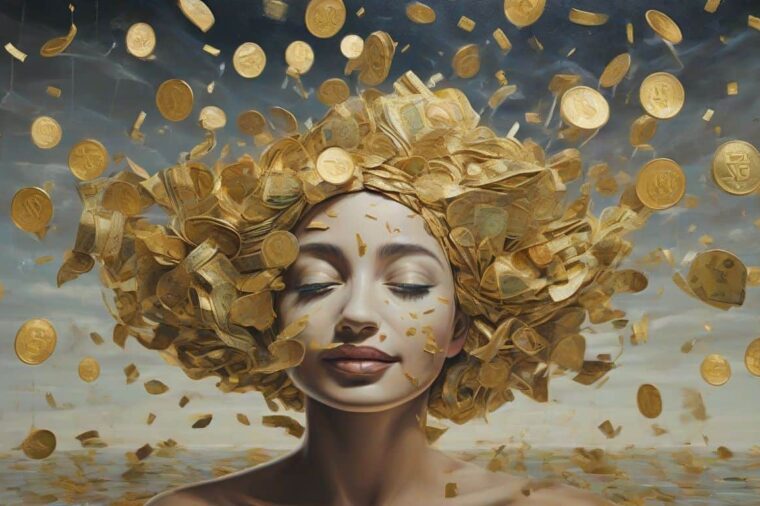
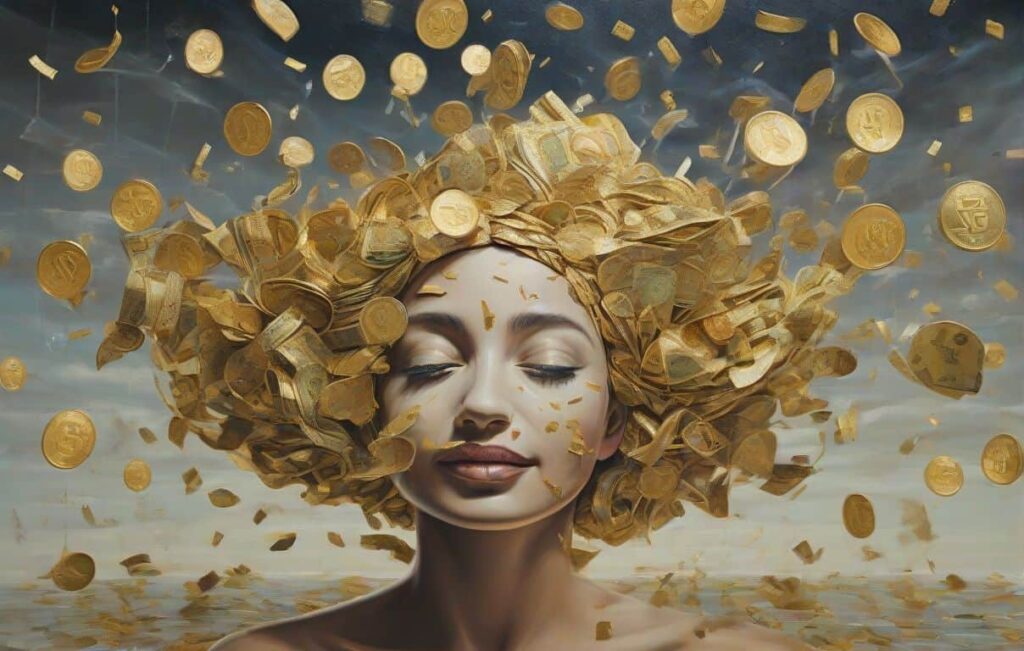
Money has always played a major role on our lives, shaping many of our daily choices and aspirations. Many often believe that having more money with lead to being more happy in our futures (5). While money may remove the daily financial stress, stability, and opportunities, it doesn’t always guarantee long term fulfillment. A majority of people often spend time chasing wealth, thinking that it will be the solution to their problems, causing their emotions and happiness being controlled by the amount they have (3). Money tends to set unrealistic expectations about success and happiness often giving a non authentic way of life.
In this post, I will discuss a sub question that researches about how our money influences our happiness in life, and the idea that where we decide to spend our money can affect the way we feel.
I decided to research that if we spend our money on meaningful experience, helping other, or investing in personal interest can bring us more happiness than material items. It has been proven that experiences are seen to create memories and connections between people, while helping others helps us feel generous and fosters a feeling of belonging in our communities said said Dr. Säde Stenlund (1). In some cases, some people may focus to much on possessions and can lead away from happiness and into stress. Money overall is not bad, but the ways we spend it can either enhance or diminish how we feel. Depending on where we spend our money, determines how we react overall. Our brains enjoy getting out of the house and experiencing new things, our brains enjoy novelty (5).
We can look into our spending’s and the negatives that come with it. As money has been one of the influential assets in our worlds, we see how money affects our emotions every day. As more people question if money results in immediate happiness, money is needed for comfort to certain points. Money causes us to feel an unrealistic financial life with pressures that falsely define success (1) If you stick to the belief that money can fulfill your needs constantly, we get stuck in a cycle of constantly wanted to accumulate more materialistic or experiences. More money, more experiences, more objects, but we will always think that it isn’t enough (5).
As there are constant beliefs that wealth determines a persons value, we see how some people obtain happiness on their own. Believing that wealth determines someone’s value is an unhealthy mindset that often leaves to dissatisfaction (4). A common mindset is “Want not have” which refers to when people are more focused on what they want, rather than what they currently have. Studies have shows that once basic financial needs are met, the connection between a persons happiness and money become weaker (3). Money controls their mind, constantly circulating about how they can make more to be able to live more comfortably. As we chase wealth for our futures, we allow for money to have more of a toll on our lives. We let money choose our decisions and emotions and always leaving us to search for more (2). Depending on the person you ask, buying happiness is unrealistic as it is not a materialistic item you can purchase. By believing that money can buy our happiness it leads to a lifestyle that focuses on money rather than the wellbeing of our relationships. Money can cause people to work more, buy expensive things, or act socially wealthier all due to the status money may give us (5). This may look good on the outside; however it has its negative tolls on ourselves too.
After statistics had been taken, most people in Canada and the United States earn salaries linked with lower life satisfaction, given that the Canadian and American annual income is about $75,000. In order to become a part of top earners in North America, you need to make almost 7 times that amount which is around 788,000 a year which is unbelievable (4).I wanted to determine is where we are spending our money, is the factor that controls our happiness, or if it is money in general. Research shows that those who spend their money on experiences like vacations or helping others through fundraisers/donations brings longer lasting happiness (5). Helping others and gaining new memories is easily remembered and more symbolic than expensive material goods. Buying expensive items can seem very fortunate in the moment, making yourself think that your ‘Lucky to afford something like this’ and that you feel ‘Happy’. These experiences and generosities towards people can create connections that can’t be bought, leading to they being more valuable than materialistic items (4). Being stuck in a cycle where you are often searching for short bursts of excitements is unfortunate and doesn’t benefit anyone, in most cases it often leads to regret revolving around purchases that contribute towards overconsumption (2).
According to NCIB they tested the relationships with money in high income vs low income countries, and not just people in general. The way they spent their money was very similar but their true feelings were revealed on how much happiness it brought them. In higher income countries people spent their money on gifts or buying experiences more than lower income countries. This indicated that people in higher income countries are more deprived of happiness around buying gifts and experiences (2). We also see that there was a lot of negative interactions around housing as well. People with debt and happiness around family were seen to be happier than wealthier people with no emotional connections to others. This is because our minds can only be fulfilled to a certain point, and to reach its max, interactions with people allow us to reach that (1).
People will start to realize that fulfillment doesn’t always come from how much money you have, but from what we do with it. Connections with friends and family will always matter more to us, for example, given that many people say that materialistic things bring them lots of happiness. According to Pew Research Center, most people say that their value their family more than materialistic items; however, there are a significant amount of people that still believe that materialistic items bring them more happiness (5) .Spending money in meaningful ways such as travel, learnings, experiences, relationships, and donations help strengthen our well being while helping us feel a sense of belonging. This fulfillment that we get from certain expenses last longer and feeling more meaningful. Money is not a problem, but our relationship around how money can determine our happiness is a concern (1). Collectively, we should consider that our financial habits may not be healthy, and that we should have other ways to satisfy ourselves that are outside of materialistic items.
Sources:
- https://psych.ubc.ca/news/money-buys-happiness-2025/
- https://pmc.ncbi.nlm.nih.gov/articles/PMC11659422/
- https://hbr.org/2020/09/does-more-money-really-makes-us-more-happy
- https://www.cbsnews.com/news/money-buys-happiness-study-finds-rich-are-happier-research/
- https://upjourney.com/why-money-cant-buy-happiness
Hi Chloe, I think this blog post is amazing! It is very pertinent to our society today, and the common attitudes people have. You did an amazing job at putting all the important information, while also keeping it simple and easy to understand. Your writing style is very descriptive and informative, something I appreciate.
For the future, I found this link that I think might be helpful to you going forward;
https://penntoday.upenn.edu/news/does-more-money-correlate-greater-happiness-Penn-Princeton-research
I cannot wait to read more from you! – Jaeda K
Hi Chloe! I really liked how you explored the difference between spending money on experiences versus material things — your explanations were clear, and the research you included made the topic feel meaningful and relatable. The point about how money can create unrealistic expectations around success was especially interesting.
One suggestion that might help make your inquiry even better is adding an example or two of experiences that have been shown to increase long-term happiness. This article from UBC also connects to your topic and might give you an extra perspective:
https://psych.ubc.ca/news/money-buys-happiness-2025/
I’m also curious about your personal interpretation: based on your research, which type of spending do you think has the biggest positive effect on long-term happiness—experiences, generosity, or investing in relationships?
Overall, your post presents a really thoughtful question about what happiness truly comes from, and I enjoyed reading it!