
Hi everyone! Welcome back to my blog about waste. As stated before, my inquiry question is : How much do we really use and what are the impacts of all the things we don’t?. In the last post I organized my reasarch into three parts. This is part 1, in this post I will be asking and explaining : what waste means, the diffrent aspects of it, who and what contributes to it and where does it end up.
What is waste?
Opinions on what the exact definition of what waste is, can vary alot depending on who you ask. Some see it as matter that needs to be disposed of, while others see it as an oppertunity to create something new. (1) The governement of Canada refers to waste as “any material, non-hazardous or hazardous, that has no further use, and which is managed at recycling, processing, or disposal sites.” (2) Since there isn’t a fixed defenition of waste I will create my own:
Waste is a substance or material that has been discarded after use, is unwanted or is deemed worthless.
What are the diffrent aspects of waste?
Generally there are 9 different types of waste: municipal solid waste, industrial waste, hazardous waste, construction and demolition waste, electronic waste, agricultural waste, radioactive waste and medical waste. (3)
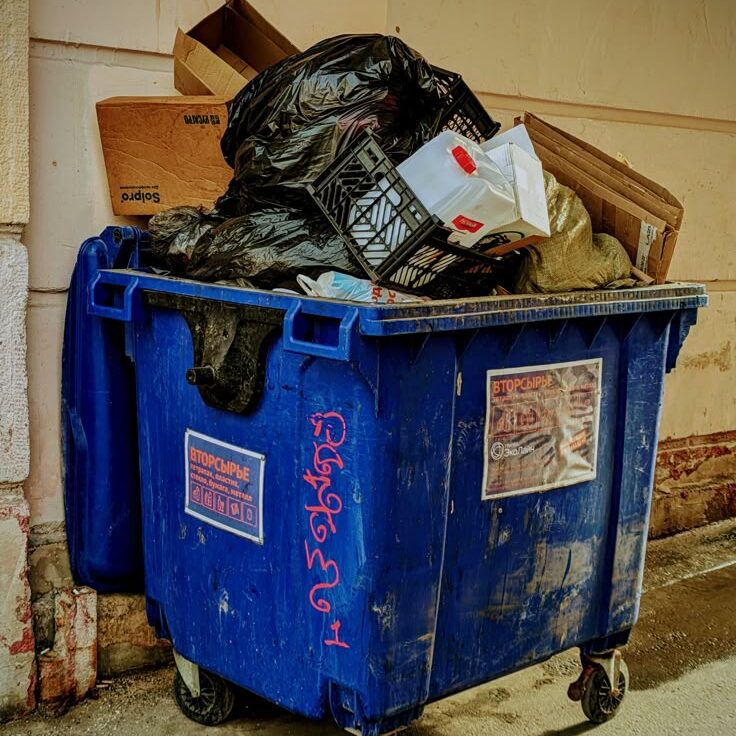
Municipal waste
This refers to all recyclables, compostables, or trash that comes from households, businesses, institutions, and construction and demolition sites. some examples of this kind of waste include: paper, plastics, textiles, scraps, ect. (4)
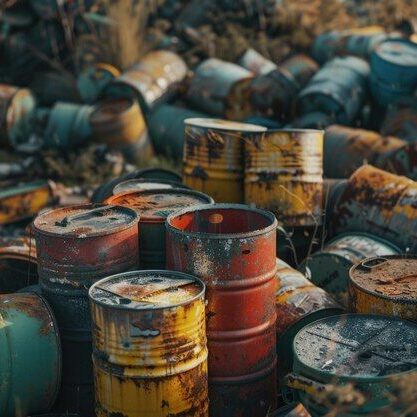
Industial waste
This refers to matter produced during industrial manufacturing processes such as that of factories, mills, mining. This kind of waste can be in liquid, solid, or gasous form. Some examples would be: used industrial oils, solvents, paint, sand, glass, cardboard, debris, etc. (5)
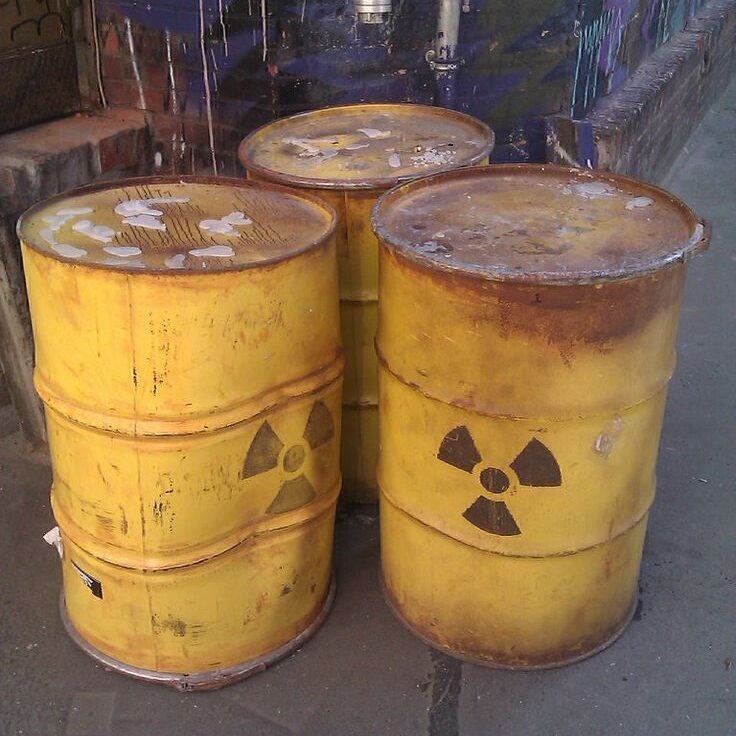
Hazardous waste
This refers to matter that have the acute hazard characteristics (corrosive, ignitable, infectious, reactive, toxic) and the chronic hazards characteristics (causing harm to health or environment subtly over time). Some examples would be: acids, heavy metal-containing sludges, pesticides, etc. (6)
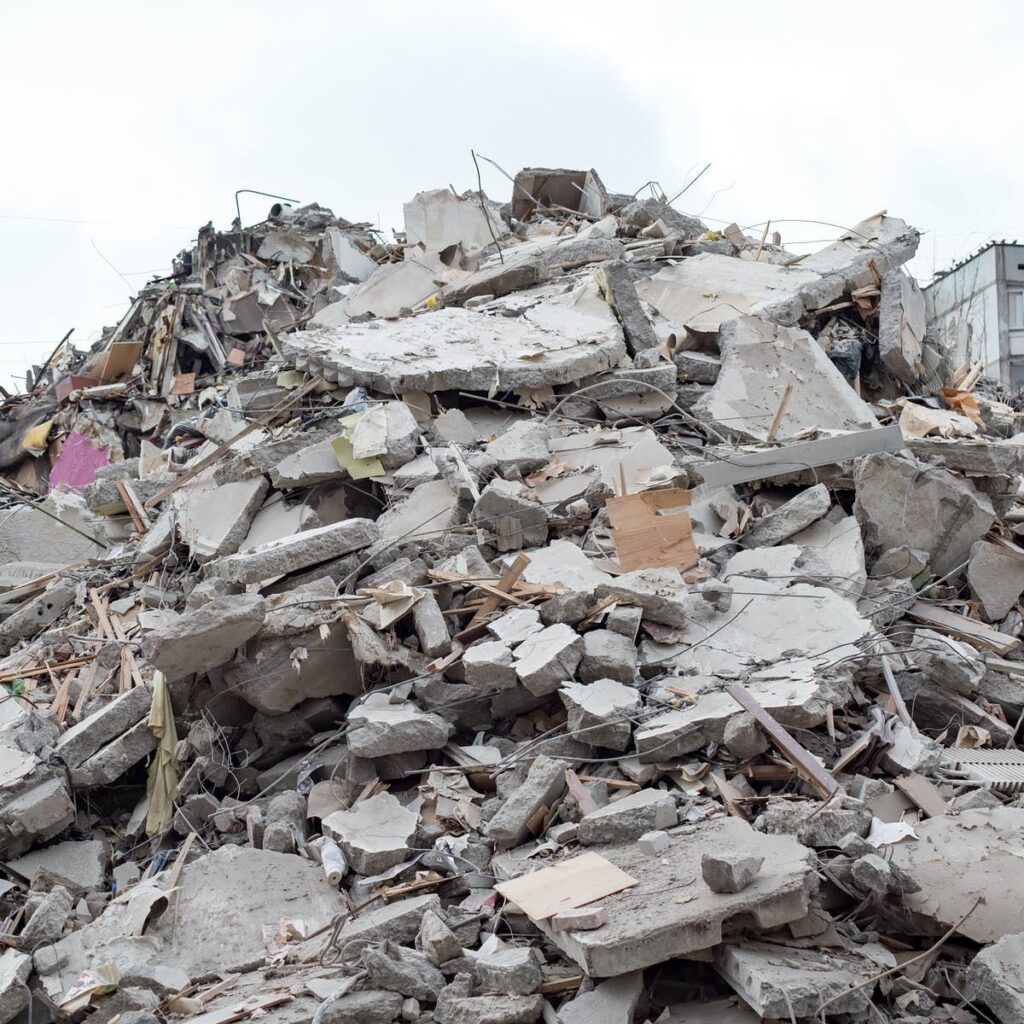
Construction and demolition waste
This refers to materials from construction, demolition, and renovation of buildings. The biggest examples of this kind of waste are wood, plastic and concret. * this kind of waste makes up 1/3 of waste sent to landfills in metro vancouver region. (7)
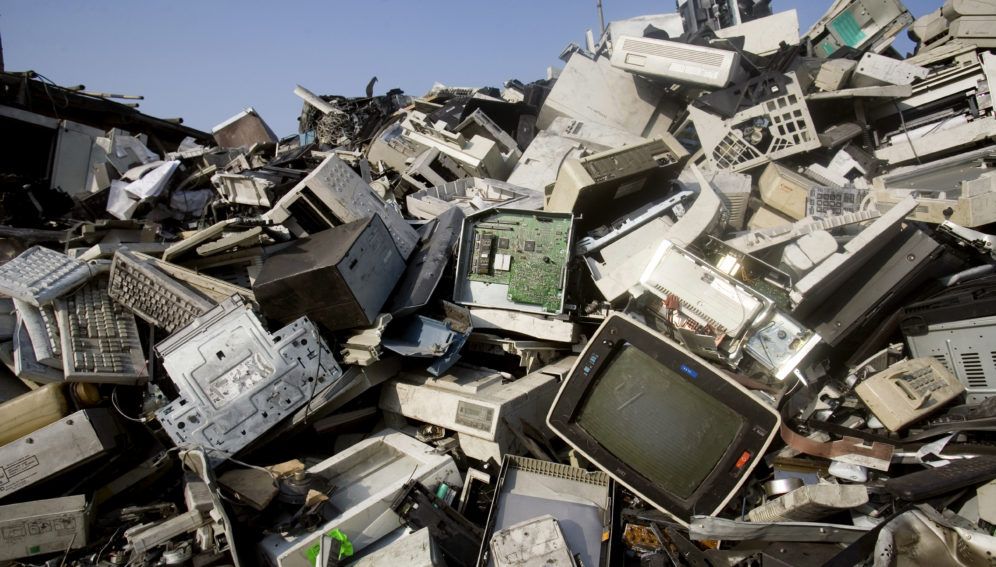
Electronic waste
This refers to unwanted electronic equipment, with this kind of equipment extra care care has to be taken when disposing off becuase it often is also hazardous. Some examples of this waste is : devices, used cables, batteries, fluorescent lights, ect. (8)
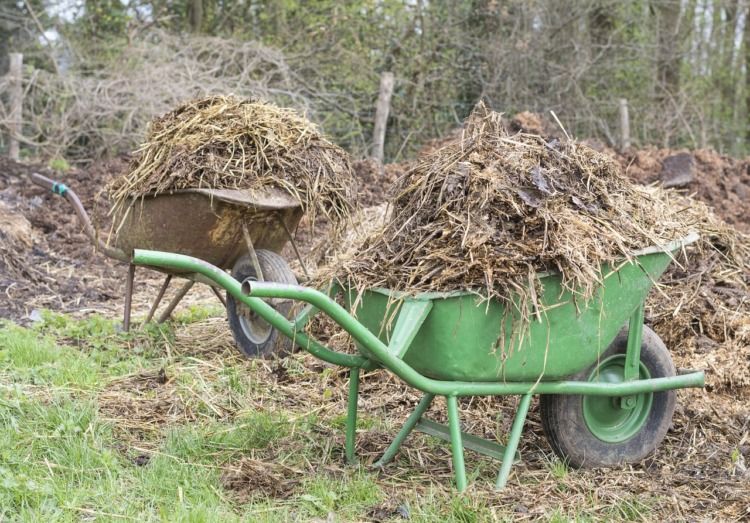
Agricultural waste
This refers to materials generated from or byproducts of farming activities. This can be organic materials (crop residues, animal manure, leftover feed.) but also inorganic items (containers for agrochemicals, packaging materials.) (9)
Radioactive waste
This refers to any material that has a radioactive substance as well as nuclear fuel waste. There are three diffrent levels of radioactive waste. High – able to generate large quantites of heat. Intermediate – contains long-lived radionuclides (unstable form of a chemical element) in concentrations that require isolation. Low – limited amounts of long-lived radionuclides. (10)

Medical waste
This refers to matarials and by-products of Health-care activities that protect and restore health and save lives. There are many diffrent kinds of medical waste: infectious, pathological, sharps, chemical, pharmaceutical and cytotoxic, and general. (11)
These are the main types of waste. They aren’t strict groups but overlaping categories, so waste can be apart of 1 or more than these. Now that we know what waste is and its diffrent types lets look into where it comes from.
Where does waste come from?
Waste comes from many different sources. Diffrent places, people and activities. Everyday houshold activities (cooking, cleaning, consuming) generates a big percentage of municipal waste. As do retail stores, restaurants, and offices, which may also generate industrial waste. Industries cause industrial and hazardous waste through manufacturing, mining, and agriculture. Construction and demolition activities cause Construction and demolition waste. Medical waste come from Healthcare Facilities like Hospitals, clinics, and laboratories. Research Institutions produce multiple types of waste include hazardous, radioactive and municipal through scientific research. (3)
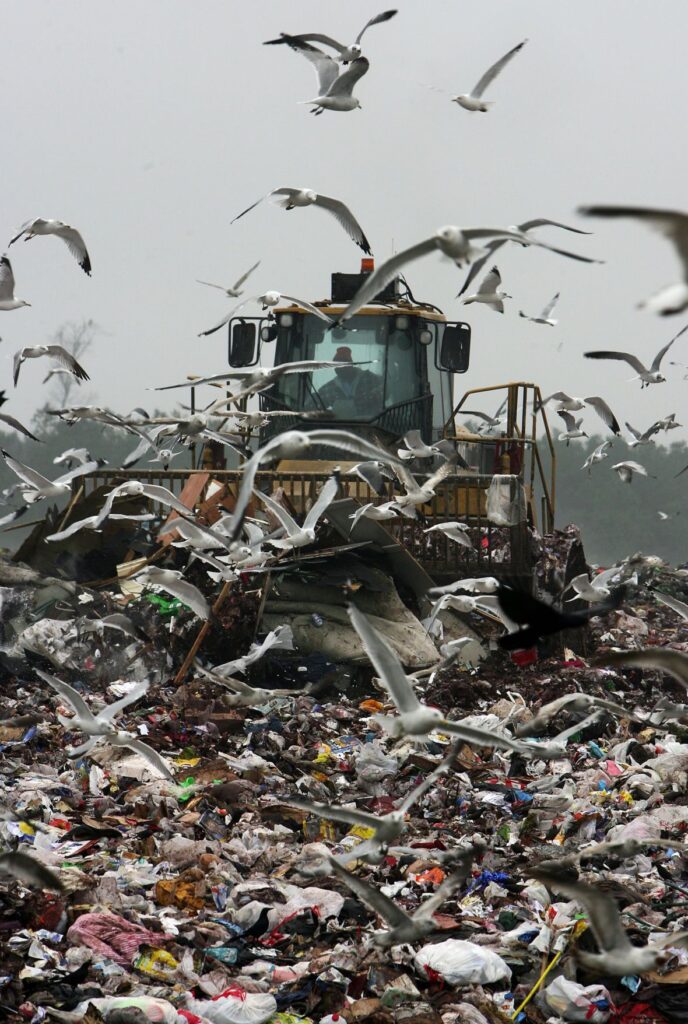
More than two billion metric tons of municipal solid waste alone are generated worldwide every year. High income nation produce the most municpal solid waste. China pruduces the most gloably but if you take into acount waste per capita the United States produces the most with 265.2 million metric tons of garbage every year. (12) In comparison Canada produces 35.6 million metric tons yearly.
Where does all this waste end up?
Most of this waste ends up in Landfils which can destroy habitats and disrupt ecosystems. landfils can also spread pollutants into the soil and groundwater. Incineration releases these same pollutants into the air. Landfils also produce methane, a potent greenhouse gas which also ends up in the air. (3)
- What is Waste and Why Does it Matter? | Waste Wiki
- Managing and reducing waste: overview – Canada.ca
- What is Waste? – The Institute for Environmental Research and Education
- Municipal solid waste: a shared responsibility – Canada.ca
- What Is Industrial Waste? – Definition and Types
- Hazardous waste – Province of British Columbia
- Construction and Demolition Waste, Recycling, and Reuse | Metro Vancouver
- E-waste
- What is Agricultural Waste? Your Guide to Compliance Rules | Prime Dumpster
- Overview of radioactive waste in Canada – Natural Resources Canada
- Health-care waste
- Global waste generation – statistics & facts | Statista

Hi, Zoe!
At first, your blog post title and image had intrigued me, and I’m glad I kept reading. Your hard work, understanding, research, and passion seep through your words, and along with your clarity, explanation, and images, your piece becomes truly perceptive and enlightening. Personally, I loved that you went into great depth about the types of waste specifically, it’s not something I normally think about, but now I can be more aware of each type of waste I may create or that surrounds me. Not only this, but I liked that you mention the waste production in Canada as well as other countries, such as China, which brings a powerful comparison to light. I think it would really interesting to see your research and take on global cultures and how they may impact waste production, but if that doesn’t fit your research, looking into specific industries could be equally interesting and important if you’d be interested, here are a few sources you could look into:
Cultural impacts:
https://pollution.sustainability-directory.com/question/how-does-culture-impact-waste-generation/
Industrial:
https://fvrecycling.com/blog/surprising-statistics-about-the-waste-that-businesses-produce
Hi Zoe, I really liked how clearly you organized all the different types of waste, it made a huge topic feel easy to understand. One suggestion would be to add a simple chart or visual to help readers compare the categories, since there’s a lot of information.
Here’s a helpful resource you might link next time: https://www2.gov.bc.ca/gov/content/environment/waste-management
Great job overall!