
1.) Where are you with your action?
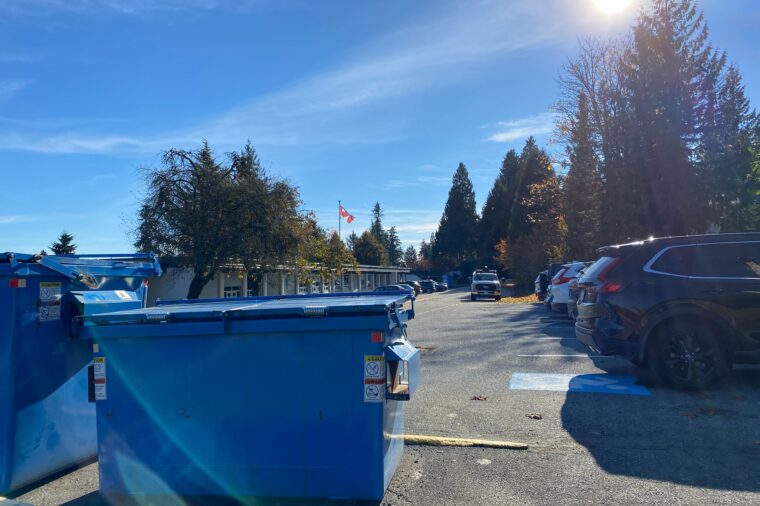
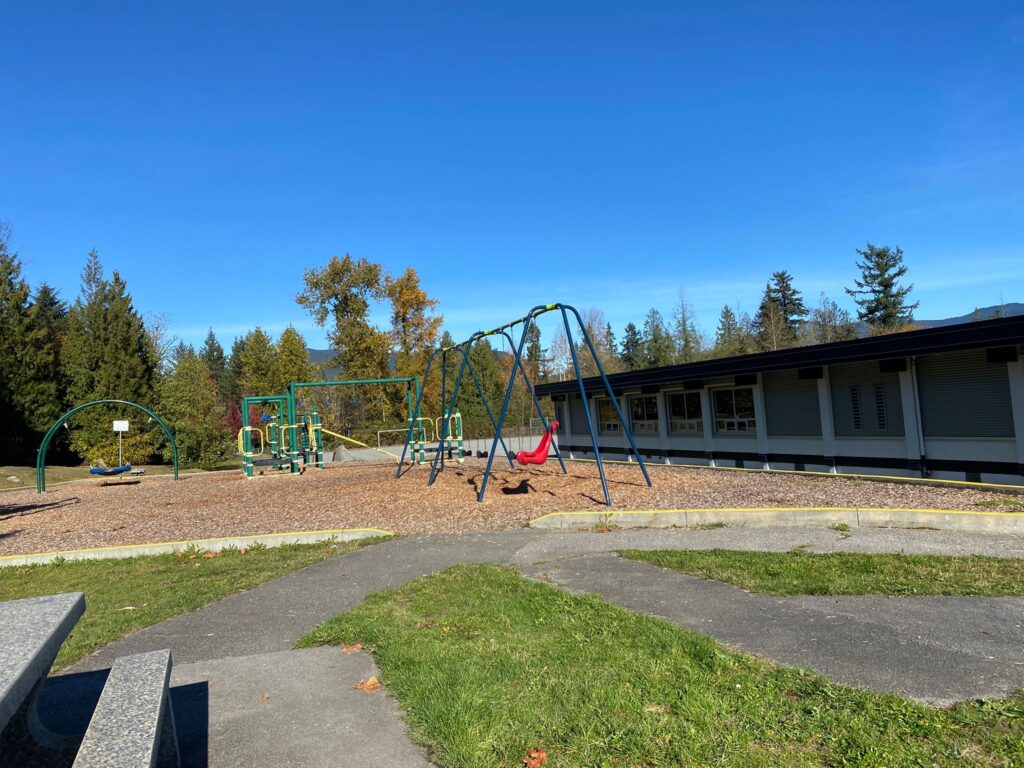
So far, in the action of helping local schools in tutoring students, Valeriya and I have selected one school, Ranch Park, where we volunteer through second grade to kindergarten. In which, we focus on filling in the cracks of their base, to create a good understanding and prepare them for their academic future. In addition, some basic fundamentals we’ve went over with them are addition and spelling. Not only simply explaining the concepts, but reviewing multiple times in fun ways. Such as playing a competitive addition game called “To a Hundred,” where students draw cards from a deck and continuously added till they reached a hundred. As well as completing interesting worksheets, like “Get to Know You” and “Rainbow Words,” where learners wrote down things about themselves and traced letters.

2.) What are some successes that you have had?
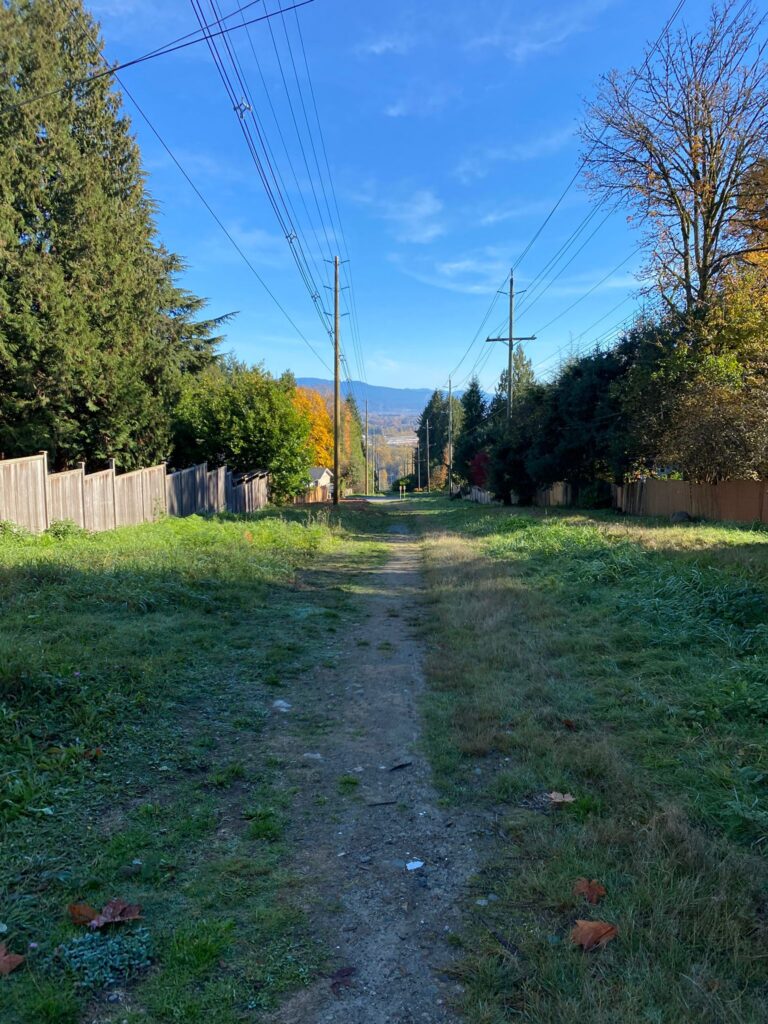
In this action we’ve had countless positive moments, overall our expectation was met. We continued to stay eco-friendly, walking down a beautiful nature path to get to the school. We used whiteboards instead of paper to truly reinforce our idea of becoming even more environmentally friendly. On top of that, our starting experience was quite wonderful, having an overall good time with kids –no tantrums so far– which internally is what I hoped for, because I would’ve been perturbed. Altogether, these first few days of getting to know children and tutoring have been fulfilling and insightful, our planning and intentions paid off.
3.) What are some challenges that you have faced?
During planning, we expected to experience some problems with listening or the fact young children might not take us seriously and the uncertainty of what to do after, which in a way happened. For instance, during the first few times some children from each age group were unwilling to finish their work, perhaps from laziness or defiance. That others, like Iris Center have experienced our struggles of a class not listening or helplessness of uncertainty, “Many educators believe they lack the skills to manage a classroom and feel unprepared to address challenging behavior” (1). The repetitive request, said as nicely as possible, “Could you please sit down and finish you work?” were met with the timid “No.” Even after encouraging them to start their work and revision of their work most refused. Eventually, a teacher intervened, recognizing the problem with a single sentence by someone they respected they started in their work in an instant.

4.) What are you doing next and why?
To further this action, Valeriya and I are planning to continue tutoring the same school, Ranch Park, to make sure the fundamentals of the learners can be met and all questions answered. We hope to solidify uncertain topics and ensure that students are really developing to ensure that they are prepared for future academic and struggles they might hold. Throughout this action we want to not only help them but us acquire problem solving skills in a real world situation and proper communicating capabilities. Overall, we are hopeful to truly want to confirm the child’s understanding by the explaining the teachers examples to make sure they are prepared for their later school life.
Resources:
- IRIS Center. “IRIS | Page 1: Strategies to Address Challenging Behaviors.” Iris.peabody.vanderbilt.edu, iris.peabody.vanderbilt.edu/module/bi2-elem/cresource/q1/p01/.

Hi Victoria, I really enjoyed reading all about you and your friend’s journey in the past few weeks. I really like how you opened up about some of the challenges you faced especially with the younger age group. However, it seems like both of you guys have learned from these challenges and have prevented them from happening more and more in the future. One way that might help break the ice and help you guys get more comfortable with the students could be asking the teachers about their advice on how they instruct the children and what some of their students prefer to have! Can’t wait to see how your project continues to grow!