Hello and welcome to my blog post #3, in this post I will be Understanding the Science of Adaptation and Extinction.
What Happens When the Environment Changes?
The environment keeps changing. Sometimes, the change is slow, like temperature rising over a long period of time, and sometimes it is fast, like wildfires or floods. These changes make it harder for animals and plants. If their food, habitat, or climate changes, species have to adapt, move or go extinction (1). For example animals that live in trees may lose their homes if a forest is cut down. Coral reefs may die if the ocean gets warmer, and the fish that need coral reefs may also disappear or go extinct. These changes make species need to respond, and the way that they respond decides whether they adapt or go extinct.(1) Species that are not able to adapt rapidly enough will become smaller. This has a significant impact on the whole food chain as well. We need to conserve animal’s habitats and help with climate change to allow animals and plants to survive and not go extinct.(1)
What is Adaptation?
Adaptation is how animals change over time to survive in their environment. These changes can be physical, like body parts or coloring, or how they act or respond to danger (2). Some physical adaptations include:
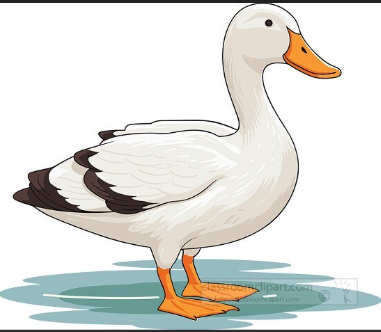
- Webbed feet in ducks, beavers and otters to help them swim.(2)
- Echolocation in bats, dolphins and orca to find food without seeing it.(2)
- Leg adaptions in Great blue heron, Black-necked stilt and Giraffes to help them hunt and stay safe.(2)
Those are just a few there are many more, but animals can also have behavioral adaptions and they are just as important
- Migration like how geese, salmon and humpback whales move from one place to another to find better living conditions.(2)
- Hibernation, like how bears, chipmunks and frogs sleep through cold months. (2)
- Playing dead like opossums avoiding predators. (2)
All of these physical and behavioral changes in these animals help them live through big changes in their habitat. Finding new food sources, dangers from new predators, or living in different temperatures may be their problems. Physical adaptations such as thicker fur or webbed feet and behavioral adaptations like hibernating or migrating can help animals survive.(2) However, when an environment changes to fast for example, due to deforestation or global warming, there are animals that get left behind. Those animals that do not adapt quick enough may die and go extinction.(1)
Why Do Some Species Go Extinct?
It’s true that not all species are able to adjust to changes quickly. When the environment changes too fast, or the species has a limited population and very specific needs, it might not survive (1) (4). Animals that are dependent on one place to survive or only eat one type of food are affected the most by these conditions. Here are some examples of endangered species(5)
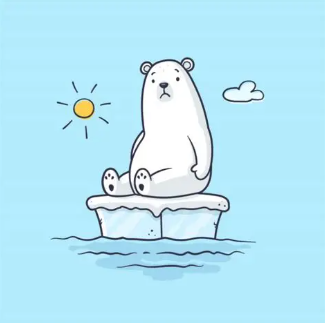
Polar bears use sea ice as a predatory platform to catch seals, which is their main source of food. The warming of the planet because of climate change causes the ice to melt earlier in the season and to form later in the day. In the time that polar bears don’t have sea ice they are unable to hunt and they are forced to swim longer distances and to go without food for multiply days. Because of this a large number of polar bears are now on the verge of starvation and their population will decrease a lot if the ice keeps on disappearing.(3)
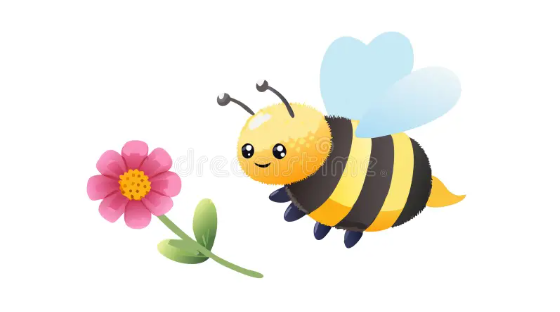
Bumblebees are in danger of losing their habitats due to global warming. Extreme weather such as droughts and heavy rain are limiting their food. These events makes bees have less access to nectar and pollen, so the bees produce less honey and fertilize fewer plants. Heat also causes flowers to bloom earlier than usual, which means they die quicker too. This issue of timing changes shorten bumblebee’s lives. Also, fires and floods are demolishing the habitats of bees, and they are left without shelters and cannot find food. These problems are might make bumblebees go extinct and the ecosystems that rely on them are also in danger.(5)
Extinction may come from natural causes or human activities. It includes habitat destruction and pollution.(4)
Why This Matters?
This knowledge about how species react to changes in their environment is needed for researchers and nature conservators to plan protective measures for these animals. In case we are uncertain about the species most in danger, we will need to take action by doing stuff such as habitat protection, reducing pollutions, and trying to slow down climate change(6). All this stuff can help animals survive longer and not go extinct.
What we learn now about how animals adapt and why some go extinct can help us protect nature in the future. Every living thing is connected and we need to protect them. By taking care of animals and their habitats, we need to help keep the environment healthy and balanced for everyone.(6)
References
Why some species become at risk – Canada.ca (1)
16 Fascinating Adaptations of Animals – Wildlife Informer(2)
Polar Bears and Climate Change | World Wildlife Fund (3)
Evolution – Diversity, Extinction, Adaptation | Britannica(4)
10 Animals Threatened by Climate Change – Earth Day(5)
Wildlife Adaptation to Climate Change | World Wildlife Fund(6)

Hey Hailey, your research is really strong, and I like how you used different species to show how environmental changes affect survival. One way to make your research even stronger would be to go a bit deeper into why some animals can adapt while others can’t, since explaining the science behind that would connect everything back to your main question even more. I found this website that has some really interesting information what might help with your research.Can’t wait to see what else you discover while doing your research.
https://www.ifaw.org/ca-en/journal/impact-climate-change-animals
Hi Hailey, I really liked how clearly you explained adaptation and extinction, especially the examples of polar bears and bumblebees — they made your topic easy to understand and very real. One suggestion that could build on your ideas is adding an example of a species that successfully adapted with human help. This WWF page shows a few success stories you might find useful:
https://www.worldwildlife.org/species/directory
I’m also curious — based on your research, do you think habitat loss or climate change has the bigger impact on whether a species adapts or goes extinct?
Overall, your post was very informative and interesting to read!
Hi, Hailey I really liked how you talked about bumblebees and polar bears and a bit about the difference between natural extinction and one caused by humans. maybe next time you could talk about what will happen if this continues. Overall, I really liked your post and i look forward to reading the next one.