
Understanding Online Comparison: What It Is and Why People Do It
In today’s world of TikTok videos and Instagram Reels, many people constantly compare themselves to others online, which ois believe it or not, normal. This process is called social comparison and it happens when we evaluate our own lives, achievements, or appearance against other people’s content (1). People often do this unconsciously, scrolling through posts that show only the highlights of someone else’s life and not the reality.
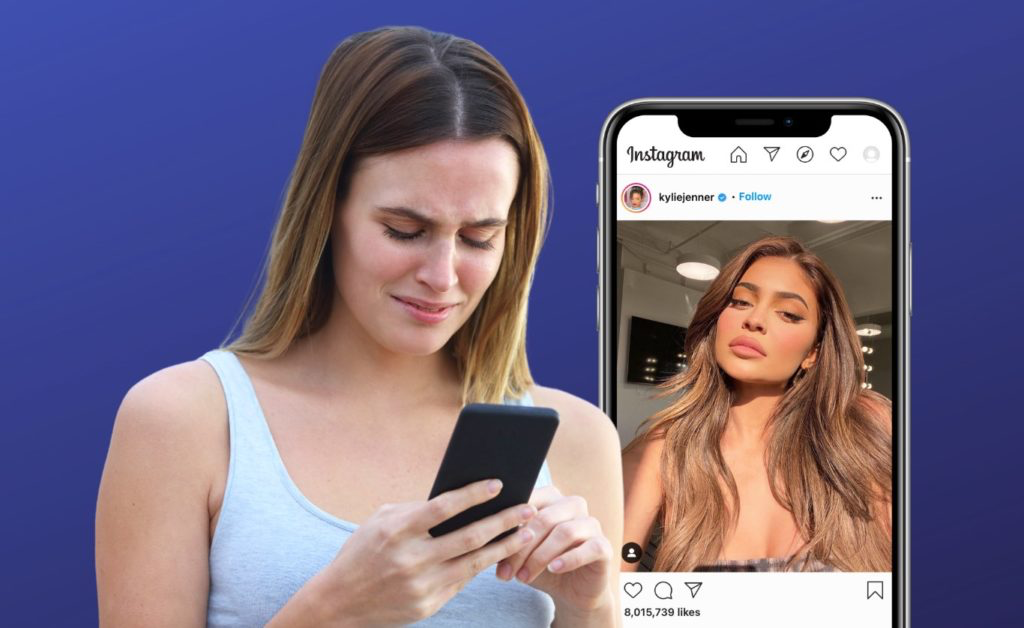
One reason people engage in online comparison is because social media provides a visual highlight reel. For example, on Instagram, people often post their best moments, like vacation photos, fitness achievements, or perfectly posed selfies that may or may not be edited. When someone views these, they might feel like their own life doesn’t measure up and they can do better. Research shows that when people compare themselves to someone they think is “better off” for example, someone with a perfect body or more followers on Instagram, it can make them feel worse about themselves and less happy with their appearance (2).
Another important thing is social validation. Likes, comments, and follower counts give an obvious feedback on what is “good enough.” Seeing others succeed can make people feel pressure to match or exceed these standards. One study found that people who spend a lot of time on Instagram or tiktok, and care a lot about likes or followers, usually feel way worse about themselves, feel lonelier, and may even feel more depressed (3). And this is all because they think that they aren’t seen by anyone since other people have way more attention.
Social anxiety also plays a huge role too. Individuals who already feel socially insecure usually also start to compare themselves more to others online, which can harm their confidence and self-worth. For example, browsing influencer profiles on TikTok can make socially anxious people feel like they fall short compared to the people they follow. In one of the links/sources I used, there was a study: In Study 1, with 470 undergraduates as participants, they applied the questionnaire survey to investigate the relationship between social media use and social anxiety. The results showed that higher social media use intensity was significantly related to higher social anxiety, and social media use was related to social anxiety. (4).
Understanding what online comparison is and why it happens is an important first step to exploring how it impacts mental health and self-esteem in later rounds of research. so that was my first round which is going to help me continue with my other researches.
thank you for reading!
Elizabeth Vdovina
References:
2. https://link.springer.com/article/10.1007/s41347-024-00399-6?utm_
3. https://link.springer.com/article/10.1007/s41347-023-00313-6?utm_
4. https://www.frontiersin.org/journals/psychology/articles/10.3389/fpsyg.2023.1217415/full


Hi Elizabeth, I really enjoyed reading your blog post #3. It was very intriguing, as it included a lot of incisive information. Next time I would add personal connections or impacts that this question has on you, making the readers more engaged and wanting to keep up with your posts. Overall, you did a very good job, and I can’t wait to read your next post!!
A source that might be helpful during your project:
https://www.psychologytoday.com/us/blog/what-mentally-strong-people-dont-do/202503/how-social-media-might-be-quietly-killing-your?msockid=11705ac8c7c76cdf060d4facc67e6d9b
Hello there! I really enjoyed reading this blog post, and I think you did a great job in writing about social comparisons. The section on social validation and how people can connect their worth to likes and followers is very strong, and I enjoyed how you explained why people compare themselves online instead of simply stating that they do. Additionally, I found that the images that you have put throughout your posts are great and help readers connect with your ideas better. Something I would suggest for your next round of research is to expand on how online comparison can affect confidence and self-worth specifically. For example, does it impact different age groups differently? You can also compare negative effects with any potential positive uses of social media to show a little bit of balance. Here is a source that may help you in your later posts: https://www.ncbi.nlm.nih.gov/books/NBK594763/ Overall, though, good work, and I am excited to read more 🙂
Sincerely,
Isabella
Hello Elizabeth! Technology is growing day to day life. Nowadays people use social media in various way. I agree with you that technology improves ones confident. May be you fear presenting Infront of the people but when you post you presentation to social media you may get comment that will encourage you to continue. However one can get comment that can discourage you. I am looking forward to learn more from you. Here are some sources
1. https://link.springer.com/article/10.1007/s44202-024-00241-3
1. https://extension.usu.edu/confidence-project/research/confidence-in-the-digital-age