
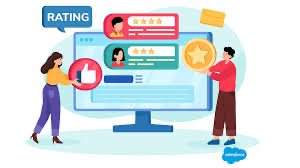
Inquiry Question: How does constant comparison with online content affect people’s confidence and self-worth?
Round 2 Guiding Question: How does online comparison impact a person’s confidence, body image, and mental health?
The Role of Social Media in Comparison
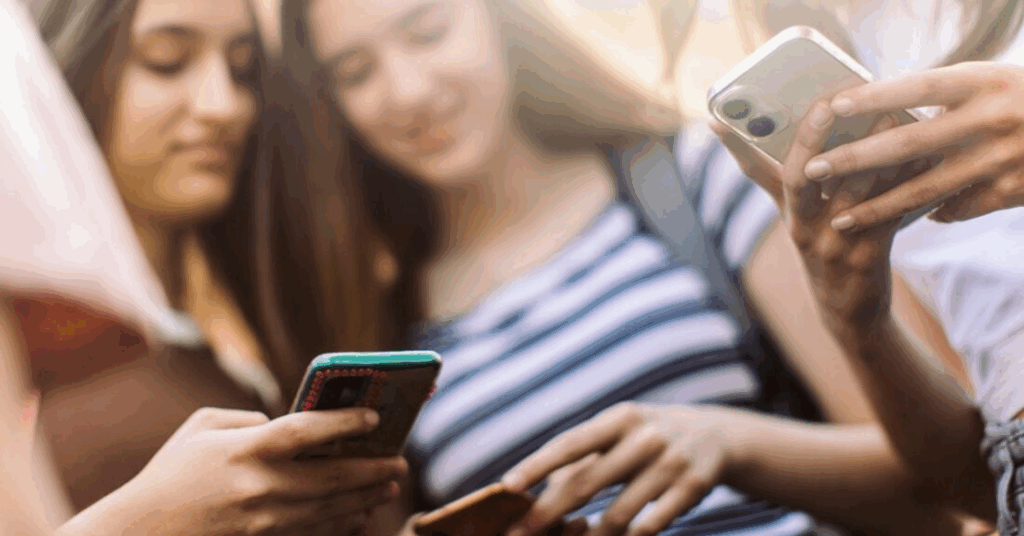
Social media platforms encourage users to share the best moments of their lives, often highlighting edited images, achievements, and lifestyles. When users, especially teenagers from ages 13-19, view these posts, they brains start to compare their own lives, bodies, or accomplishments to what they see online. These are called upward social comparisons because we are comparing ourselves to people who seems to be better off in one way or another. (1).
Research shows that frequent upward comparisons are linked to lower self-esteem and body dissatisfaction. Teenagers who constantly compare themselves to online images often feel that they do not reach some kind of imaginary expectation bar, which will eventually impact their confidence and sense of self-worth (2).
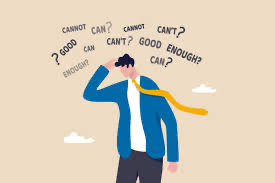
Emotional and mental effects
Comparing yourself to others online can affect your emotions and explain how it impacts your mental health and self-esteem
- Anxiety, depression and FOMO ( fear of missing out): Teenagers who are in online comparisons report higher levels of anxiety and depression symptoms. The stress of trying to look perfect while feeling like you’re not good enough makes these feelings worse. (3).
- Body dissatisfaction: Looking at perfect pictures online can make teens feel bad about their bodies. Comparing themselves to what they see can make them worry about their weight, shape or just appearance in general (4)
- Reduced confidence and self-worth: Comparing to others online often results in self-criticism and lower confidence. Many teenagers tie their self-worth to likes, comments, and followers. (5).
.

Why Teenagers Are Especially Vulnerable
Teenagers are especially affected by comparing themselves to others because they are still figuring out who they are and want to fit in. Teenagers are also the ones that are the most online meaning they see the online world more than other age groups. Social media makes this even harder because:
- Pictures and videos focus on looks and lifestyle, which makes it easy to compare yourself to others
- Many posts are edited or filtered, showing things that aren’t real
- Likes and comments feel more important online, so teens take them as proof of being liked (1, 2)
This explains why social media comparison can have such a strong impact on teens confidence and self-worth.
Real Consequences for Mental Health
Comparing yourself to others online can have real effects:
- Feeling like you’re not good enough can lead to depression and anxiety (3).
- Being unhappy with your body can make you more likely to develop unhealthy eating habits (4).
- Even teens who usually feel happy might feel worse about their lives when they compare themselves to others (5).
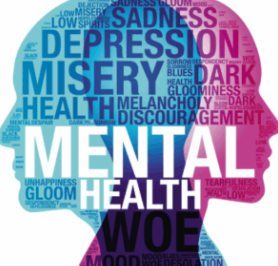
This shows that comparing yourself online can hurt your confidence, self-esteem, and mental health, which answers the Round 2 research question.
sources:
- https://www.verywellmind.com/what-is-the-social-comparison-process-2795872
- https://childmind.org/article/social-media-and-self-doubt/
- https://www.economist.com/graphic-detail/2018/05/18/how-heavy-use-of-social-media-is-linked-to-mental-illness?utm_medium=cpc.adword.pd&utm_source=google&ppccampaignID=18798097116&ppcadID=&utm_campaign=a.22brand_pmax&utm_content=conversion.direct-response.anonymous&gclsrc=aw.ds&gad_source=1&gad_campaignid=18804755252&gbraid=0AAAAADBuq3L66_AIckFla38j4cRpiDsUo&gclid=EAIaIQobChMI0OXwyKmYkQMVOyGtBh1M9gtPEAAYAiAAEgLAQvD_BwE
- https://pubmed.ncbi.nlm.nih.gov/39861349/
- https://health.clevelandclinic.org/social-media-and-body-image?
Thank you for reading!
Elizabeth