
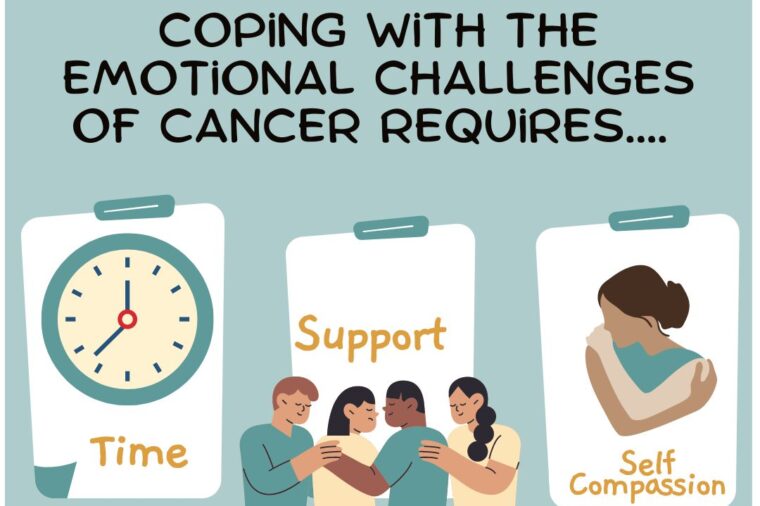
Hello everyone and welcome back to my blog! As discussed in my previous post I researched the mental and psychological impacts on both the patient and their family when receiving a cancer diagnosis. Now, I am researching the emotional impact on both the patient and their family.
This round of research will dig deeper into the emotional toll of cancer such as sadness, grief, uncertainty, and emotional role changes in the family. Learning about these emotions will help me see how relationships and personal identity are affected. I will also include emotional coping strategies such as support groups, family connection, therapy and more.
A cancer diagnosis brings more than physical challenges it introduces a wave of many emotions that can reshape relationships and personal identity. Sadness, grief, uncertainty and shifting family roles often attach to the journey. These emotions can begin immediately after diagnosis and persist throughout treatment and recovery. Understanding these emotional impacts and exploring coping strategies is essential for supporting both patients and their loved ones.
Emotional Toll on Patients
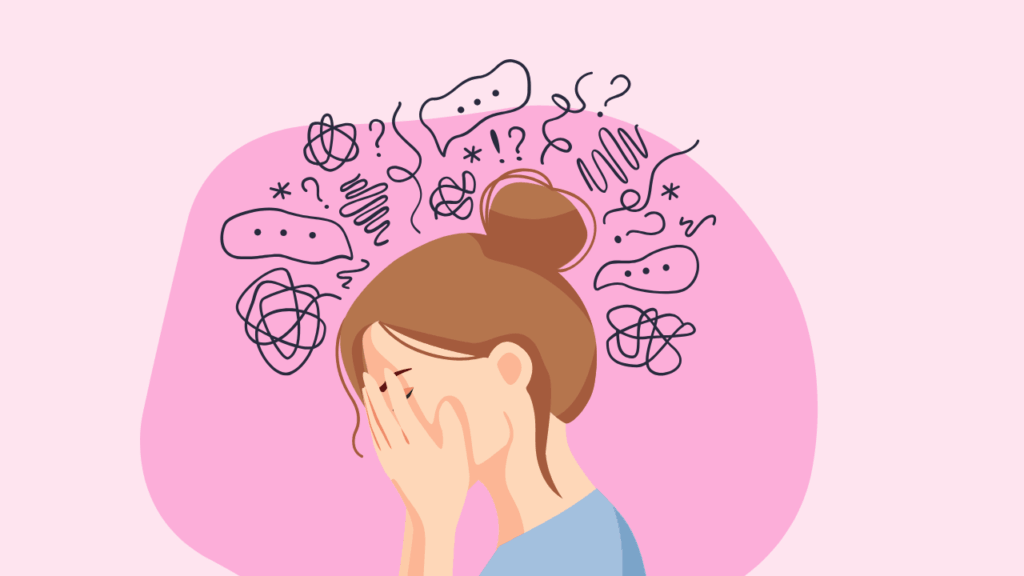
Patients frequently experience intense sadness and grief after diagnosis. These feelings may stem from fear of the unknown, loss of independence and changes in life plans. Grief can occur even before any physical loss otherwise known as anticipatory grief, as patients imagine possible outcomes and mourn the life they once envisioned (1). Uncertainty about treatment and prognosis often heightens anxiety, making emotional support a critical part of care. Many patients also struggle with feelings of isolation, as cancer can limit social interactions and create a sense of disconnection from normal life (2). These emotional challenges can affect motivation and overall quality of life, emphasizing the need for integrated mental health care.
Emotional Toll on Families
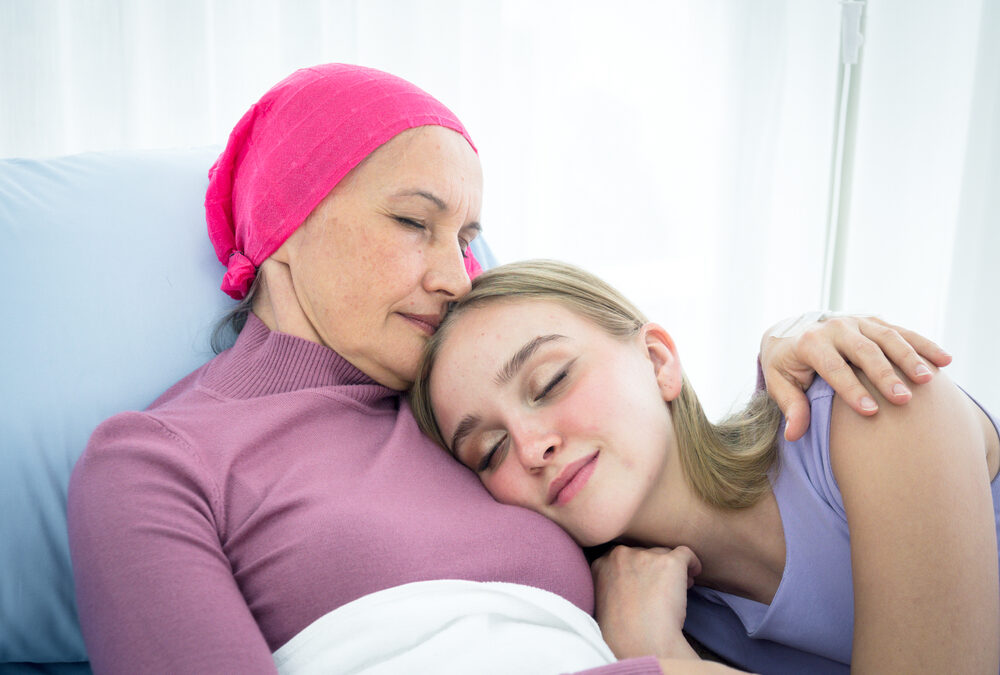
Cancer affects the entire family unit. Loved ones often struggle with their own grief while trying to remain strong for the diagnosed patient. Emotional role changes are common, partners may become caregivers and children may take on new advanced responsibilities (3). These shifts can strain relationships and alter family dynamics, sometimes leading to feelings of guilt or resentment. Families may also experience isolation as social activities decrease during treatment as well as financial stress can add another layer of emotional burden. Parents often worry about shielding children from distress, while children may feel confused or fearful which can impact their emotional development (3).
Impact on Identity and Relationships
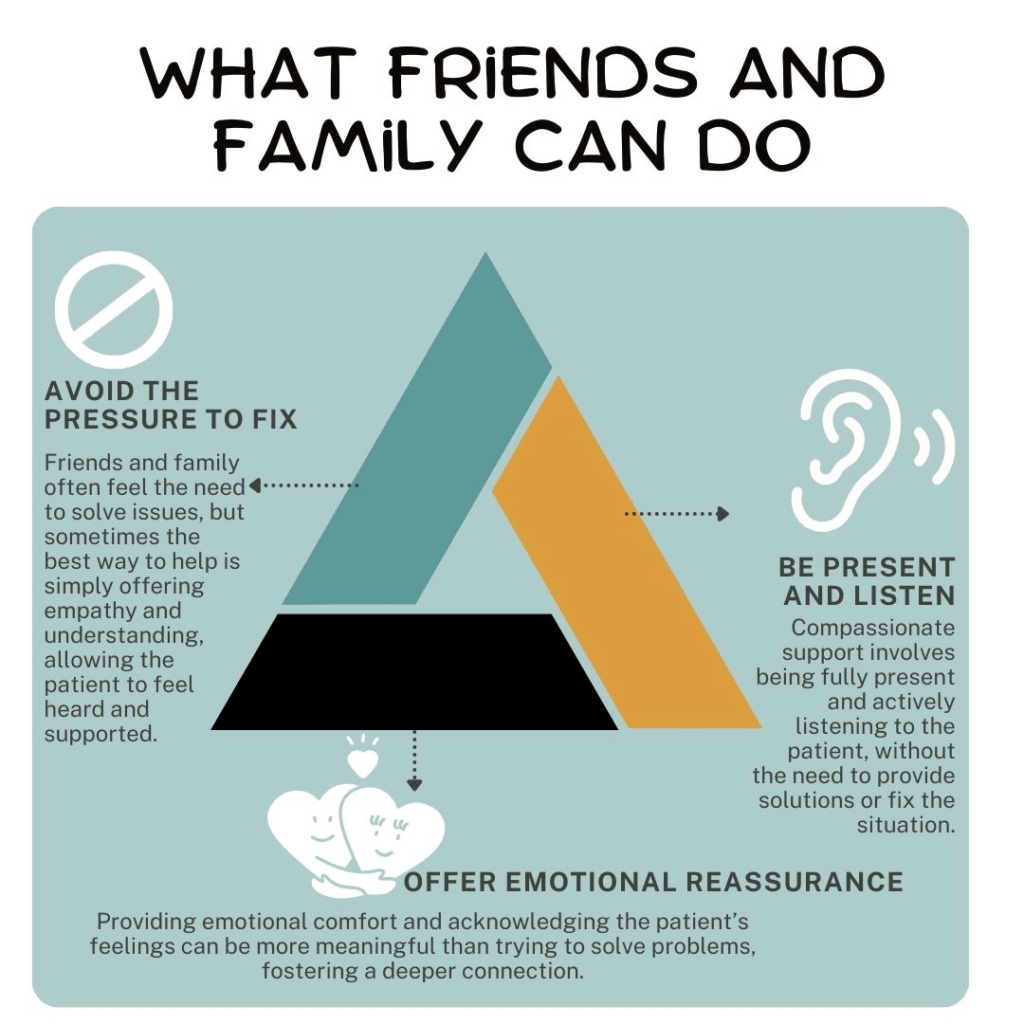
Beyond sadness and fear, cancer can challenge personal identity. Patients may feel disconnected from their previous roles such as parent, employee, or friend, while families adjust to new responsibilities (3)(5). These changes can lead to tension but also opportunities for deeper connection when communication and emotional support are prioritized. For some, the illness becomes a defining part of their identity which can be difficult to reconcile with their sense of self. Families may also experience role reversals, where independence shifts and caregiving becomes central, changing relationship dynamics in drastic ways (5).
Coping Strategies
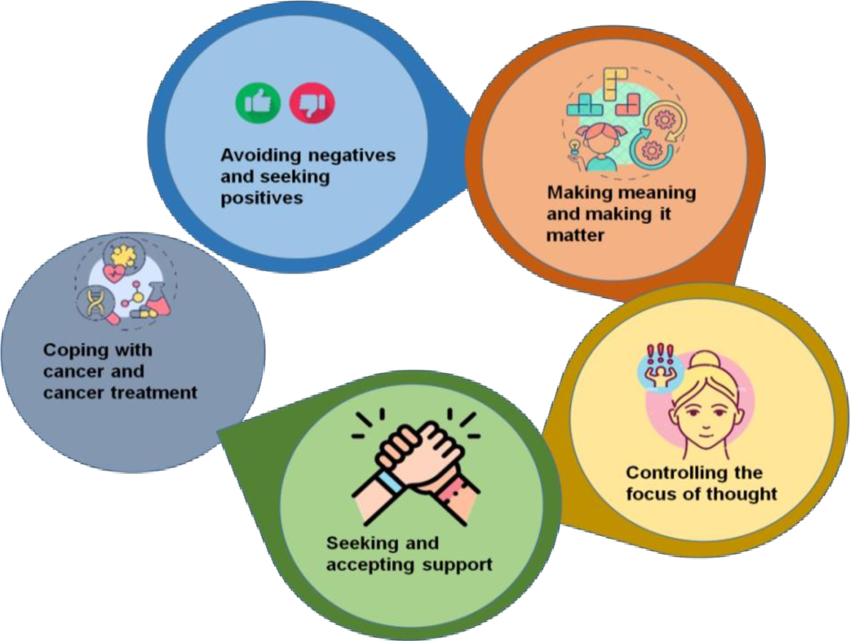
Managing these emotional challenges requires intentional support. Joining support groups allows patients and families to share experiences and reduce feelings of isolation (4). Counseling and therapy provide tools for processing grief and uncertainty, offering a safe space to express emotions without judgment (1)(4). Maintaining family connection through open conversations and shared activities helps preserve relationships during treatment (5). Mindfulness practices, journaling, and stress-reduction techniques can also strengthen emotional resilience and help individuals regain a sense of control (4). These strategies not only improve emotional well-being but can also enhance treatment outcomes by reducing stress and promoting hope.
Conclusion
A cancer diagnosis is a journey that affects every part of life whether that is physically, emotionally and mentally. The fear, stress and uncertainty that come with it can overwhelm both patients and their families, often lasting well beyond the initial diagnosis. Supporting mental health alongside physical treatment is not optional, it is essential. When care plans include counselling, open communication and coping strategies, they help families manage emotional strain and maintain hope during difficult times. Addressing emotional needs as well as medical ones creates a path toward resilience, strength and holistic healing, because true cancer care means treating the whole person, not just the disease.
For my next post, I will research the physical impacts on both the patient and their family. This step will explore how cancer affects the body and health, along with the physical strain family members might experience through caregiving, disrupted sleep, and stress. Understanding the physical changes will help complete the overall picture of well-being. I will also research physical coping strategies such as exercise, medical support, and more.
References:
- https://cancercenter.gwu.edu/news/managing-grief-after-cancer-diagnosis-and-loss-guide-patients-and-loved-ones
- https://www.mayoclinichealthsystem.org/hometown-health/speaking-of-health/emotional-recovery-after-cancer-treatment
- https://www.cancer.gov/about-cancer/coping/adjusting-to-cancer/changes-for-family
- https://www.nfcr.org/blog/emotional-resilience-mental-health-and-coping-strategies-during-cancer-treatment/
- https://cancerquest.org/patients/psychosocial-problems