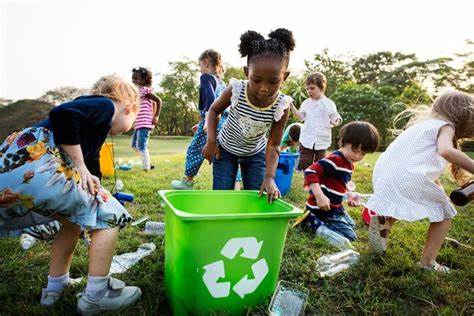
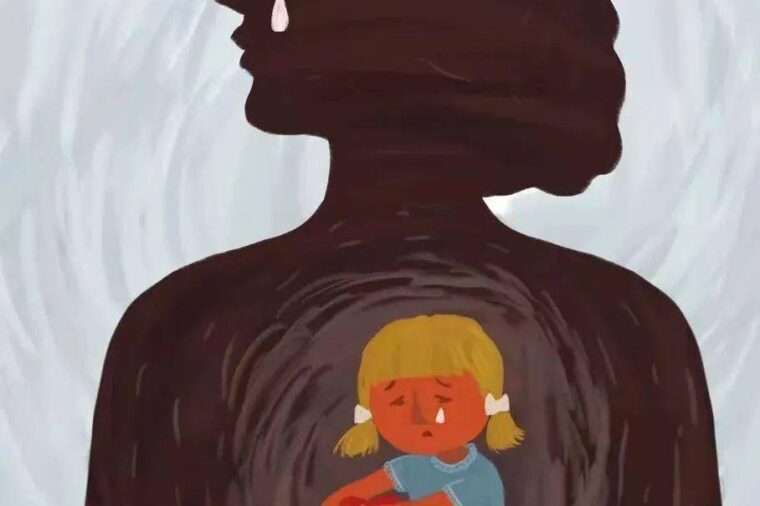
When I wrote my story about the squirrel being chased out of the forest and returning with hatred, I realized that it wasn’t just a fable about “revenge.” It was really my way of thinking about how prejudice grows and becomes powerful. In real conflicts, people often begin to dehumanize each other — seeing the other side as “less human” or “different in essence” — which makes cruelty feel justified or even necessary. (1) In my story, the moment the animals in the forest stopped seeing each other as part of the same community, that shift mirrored how hatred and fear corrode trust in real societies.
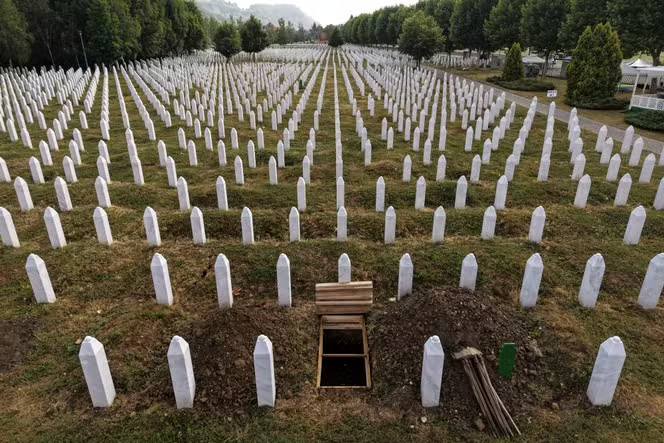
At the same time, I started thinking about the psychological damage ordinary people experience during conflicts. This isn’t just about physical harm. It’s about long-term fear, anxiety, grief, displacement, and trauma. Research on civilians living through war shows dramatically higher rates of depression, anxiety, and PTSD after losing family members, homes, or any sense of safety. (2) When I imagine the squirrel as a “survivor” who lost its home, its pain becomes more complex than simple anger — it becomes a wound shaped by fear, trauma, and hopelessness.
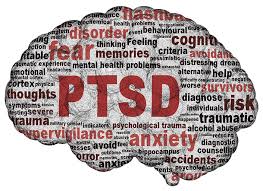
As a kind of observer — someone watching conflict from the outside, yet emotionally drawn into the story — I’ve come to understand that these situations are always more complicated than “who is right” or “who deserves revenge.” Conflicts grow from broken trust, collapsing safety, destroyed homes, trauma, and social systems that fail the people living inside them. These conditions create fertile ground for hatred to take root and for cycles of violence to continue. (3) So my story isn’t just an allegory about vengeance — it’s also a reflection on these deeper social and psychological forces.

Still, I don’t want my story to end in despair. What I hope readers feel is that acknowledging each other’s trauma, recognizing the humanity on every side, and creating space for dialogue are more powerful than retaliation. If both the harmed and the ones who caused harm can be seen as people shaped by fear, pain, and history, then there might be a chance to break the cycle of hatred. (4)
In the end, when the squirrel returns to the forest and looks at what used to be its home, I imagine it confronting a painful truth: violence doesn’t heal old wounds, and hatred doesn’t erase suffering. But if people are willing to face pain honestly, listen to each other, and imagine a different future, then maybe — just maybe — something new can grow where destruction once existed. Just as a forest can die or be reborn, I want my story to encourage readers to think about what makes renewal possible.

Sources Referenced
- Essentially Subhuman: Psychological Essentialism Facilitates Dehumanization — Research on how dehumanization grows through psychological essentialism.
- The effects of war-related experiences on mental health symptoms… — Longitudinal study showing increased PTSD, depression, and anxiety among civilians in conflict zones.
- Psychological consequences of global armed conflict — Overview of how war impacts the mental health of non-combatants worldwide.
- Canadian Counselling and Psychotherapy Association (CCPA) — Guidance on trauma, recovery, and the psychological impact of war.