

Hello again, my name is Jennah (once again), and this is my fourth blog post! This blog post will be very similar to my last one, other than the fact that I will be covering the second half of my story. This blog post will include the research I did for my climax, falling action, and resolution sections of my story. But first, a little recap on what happened in these parts of my story.
Climax
Summary of what happened in my story:
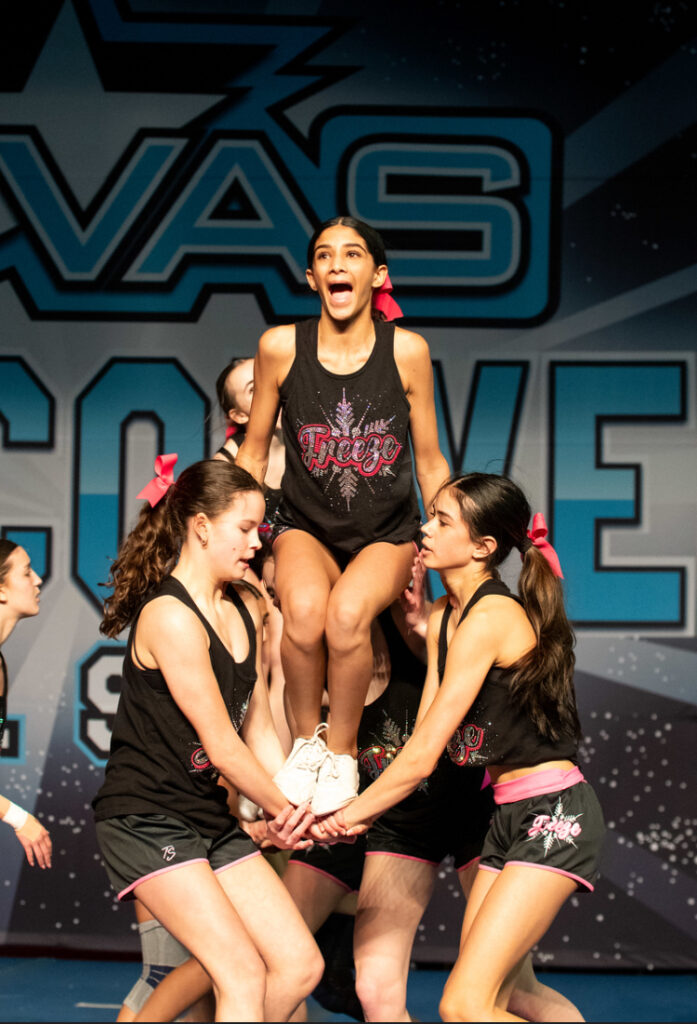
Zoya begins passionately defending cheerleading on the show. This is her final “battle”—her third and biggest obstacle. Her honesty, experience, and emotion directly challenge the stereotype that cheer isn’t a sport. The moment is intense, but she succeeds: her message is powerful, inspiring, and authentic.
Falling Action
Summary of what happened in my story:
After the show, Zoya becomes determined to rebuild the life and identity she lost. She trains for months, slowly regaining her strength and skills. Her social media, once focused on sports therapy, shifts toward her journey as she returns to flying, tumbling, and performing again.
Two years later, she earns her spot back on her old team. She improves over time, becomes a centre flyer again, and even builds a stable life with new relationships and a dog. The world begins to see cheerleading differently. Her interview goes viral and inspires athletes everywhere.
Resolution
Summary of what happened in my story:
Thirteen years after the injury, when she finally steps away from cheer for good, Zoya writes a book about her entire journey—from fame to injury to comeback and beyond.
Her story closes in a new reality where cheerleading is respected, and Zoya has reclaimed her identity, healed her past, and built a future she’s proud of.
Points:
Defending cheerleading: Why should it be recognized as a sport? Is it one?
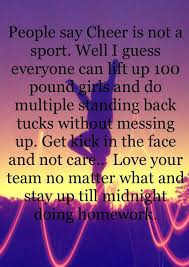
- In Vice, Charlie states that cheerleading should be recognized as a sport for various reasons; they state that it’s extremely athletic and often more dangerous than many accepted sports, such as chess (1)
- They elaborate on how it requires strong athletes, not only physically but mentally as well. Cheerleading could become a pretty toxic environment, not only because of the coaches but also the teammates as well. Physically, cheerleading accounts for over half of catastrophic sports injuries. But not only that, some cheerleaders are so stubborn that they don’t even report some injuries, such as many concussion symptoms and muscle injuries. This is a very good representation of how intense the sport really is. (1)
- Cheerleading involves strength, acrobatics, teamwork, and risk; the article argues it deserves official recognition as a competitive sport and potentially Olympic inclusion, which many people say will happen soon. (1)
In article number 1, the writer was defending the sport of cheerleading. Although they don’t mention that they are athletes, I would assume so, or that they have connections just like Zoya does in my story.
Is cheerleading a sport? Should it be recognized as one?
- In the New York Times, the article debates if cheerleading qualifies as a sport (under U.S. school definitions). It highlights intense athletic demands, including tumbling, stunts, coordination, and conditioning, but not only that, but they also talk about what it is considered and why. (2)
- One major issue in the sport is that many schools treat it as an extracurricular, not a real sport, because it was originally used to cheer on football and basketball teams. The thought of it not being a sport has been tossed around for too long, and now it’s influencing people into thinking that as well. They also stated that people say “the safety regulations are weaker.” (2)
- At the end of the article, NYT concludes by saying that cheerleading does have all the qualities of a sport, but because of its hard scoring system and inconsistent structure, it’s hard to recognize it as a sport. (2)
Cheerleading is one hard sport to defend, not only because people don’t want to be open-minded, but also because there are many types of cheerleading, including sideline and all-star. It’s hard to defend, and that’s why there is always a huge debate for it. This is what Zoya is trying to change in my story.
Sports injuries all around
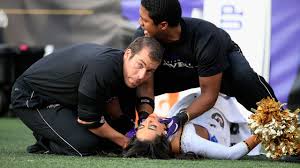
- In this article, the writer highlights injuries obtained in sports and how one’s sports career can be ended in an instant. Emma (the author) talks about a young girl whose career was ended because she tore her hip. This demonstrates the struggles and sacrifices that some athletes make for their sports and how hard it can be on them, physically and mentally. (3)
- The article says exactly, The sport and exercise science student said she now has to face the “bittersweet” experience of watching her teammates achieve their goals, while she is “stuck on the sidelines waiting to return.” This is all about the injured athlete. It can show that one simple injury can result in a life on the sidelines. It causes you to lose friendships, and your life can turn upside-down. (3)
- Rachel (the injured athlete) talks about how she really wants to return to her sport but first needs to focus on doing simple everyday tasks pain-free. “The thought of returning to rowing feels exciting, alongside overwhelming with the fear of reinjury at the back of my mind.” “But, right now, all I want to be able to do is to do daily tasks pain-free, then focus on rehab post-surgery.” (3)
Sports injuries are tough (I’ve experienced some), and they can destroy your life. In my story, Zoya portrays a character like Rachel, but instead of trying to return to her sport right away, Zoya experiences hardship, and her life goes all over the place.
Gabi Butler
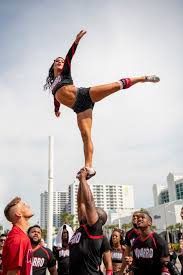
- In this article (The Face), the author focuses on world cheerleader Gabi Butler and her rise to fame on the Netflix show Cheer. But not only that, but they also talk about her injuries, struggles, and how she says, “I was basically cheering out of the womb.” (4&6)
- The article highlights the high-pressure, high-intensity life of all-star and college cheer athletes, all this being an athlete of Navarro Cheer. (4)
- The writer of the article stated that Gabi was very badly injured a few years ago. She once dislocated her elbow and “broke and tore everything in it,” taking about three months to recover. But with her dedication to the sport, 3 months was a very long time. (4)
- During the cheer show, Gabi was injured and dealt with very painful ankle pain (in her bones). There were signs of a sprain and bruising; this was often caused by tumbling landings and setting out of stunts. (4)
- The article states that “She often talks about constant pain, stress, and how elite cheerleading puts long-term strain on the body, especially for flyers and tumblers,” once again demonstrating the pain cheerleaders have to endure. (4&6)
The point of adding this article was to show that cheerleading also results in injury. Gabi Butler is a very well-known cheerleader, and even she has endured very serious and painful injuries resulting in her having to step back from the sport she loved so much. Once again, just like Zoya, she came back stronger than ever.
Injuries obtained on CHEER
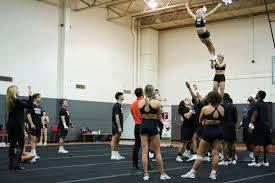
- Not only did Gabi Butler experience injuries in cheer, but so did many other athletes. Excel Therapy talked about moments in Cheer where athletes were hurt or received treatment. The article’s goal was to explain what types of injuries were happening and why cheerleaders are at high risk (not only in the show Cheer but worldwide). (5)
- The common injuries on the show were sprains and strains from tumbling and stunts; shoulder and elbow injuries from catching flyers or when the flyers fall out of stunts; ankle injuries (especially when landing jumps or tumbling passes); and concussions and head impacts, which can occur during missed catches or falls, but these are all classified as typical and common injuries when cheering and also on the show. (5&6)
- Many think that these injuries can be easily avoided, but it’s not that simple. Competitive cheer involves high-flying stunts, hard tumbling, lifting/catching athletes, and repeated practice, putting cheerleaders under impact similar to gymnastics, dance, and contact sports. These qualities make it very easy for anyone to get very badly injured. (5)
- But after a while injuries stop happening, and so do falls. This isn’t just simply because of overtime stuff but because of repetition and conditioning. Excel Therapy emphasizes the fact that in the show they showed proper conditioning, strength training, rest, access to athletic trainers, and injury-prevention education. But at times it wasn’t so successful; in cases like that, it relies on how much the athlete wants it (success). (5)
The point of these points was to show that injuries are common in sports like cheerleading, but there are ways to avoid them. Zoya will also be talking briefly about this but mainly on how injuries occur.
Personal experiences (cheerleaders writing books).
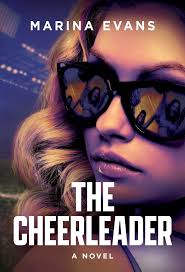
- This first book, called “The Cheerleader,” is written by Marina Evans (a former cheerleader). It’s about the Dallas Lonestar’s cheer squad; they are glamorous but dangerous. In the book, the team’s captain, Jentry Rae Randall, is found murdered. (7)
- A filmmaker named Nikki Keegan is documenting the team’s comeback; she begins investigating the murder with the help of another cheerleader, Shaunette Simmons. Throughout the story, suspense builds up as secrets arise, betrayals develop, and threats surface. (7)
- The book explores themes such as ambition, rivalry, sisterhood, and the dark side of competitive cheerleading, combining mystery and high-stakes drama throughout the book. (7)
- The next book is a mystery about a girl named Monica whose town lost five cheerleaders in several tragic incidents five years prior to the present time. Throughout the story, the deaths were officially explained, but Monica begins to suspect the stories don’t add up and wants to investigate. (8)
- As she investigates more, she uncovers secrets involving the school, the community, and people close to her. Themes include grief, uncovering hidden truths, mental strength, and learning who to trust throughout the book. (8)
The point of this story is to show that once cheerleaders retire, there are some who decide to document their experiences (sometimes they’re personal, but other times they are hidden facts). Like Zoya, Marina Evans and Kara Thomas both write a book about cheerleading after she retires.
Blackout winning worlds
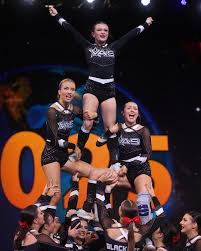
Something to listen to about one of the teams from my home gym that will add to my story. This interview is about the head coach of my gym (Liz) and an athlete (Morgan Kerr) on Blackout (the winning worlds team), in an interview, talking about their experiences throughout the season. Listen to it to find out more. (9)

Sources:
- https://www.vice.com/en/article/why-cheerleading-deserves-to-be-recognized-as-an-olympic-sport/
- https://archive.nytimes.com/learning.blogs.nytimes.com/2011/05/24/is-cheerleading-a-sport/
- https://www.bbc.com/news/articles/cr75d1ez9dmo
- https://theface.com/culture/gabi-butler-cheer-series-cheerleading-navarro-college-netflix-tv
- https://www.weber.edu/stories/gabi-butler.html
- https://www.simonandschuster.com/books/The-Cheerleader/Marina-Evans/9798897100361?utm_source=chatgpt.com
- https://www.randomhousebooks.com/books/216273/spa/aggregate/?utm_source=chatgpt.com
- https://www.cbc.ca/player/play/audio/9.6750727
- https://www.cbc.ca/player/play/video/9.6751730

Wow, I really enjoyed reading this blog post! I’m excited to read your full story, I liked your attention to detail and how you included real-world stories about cheerleaders to further the meaning behind this story. Something I think you could improve on is including less stories about cheerleaders, I think it’s great that you included them but including many stories can get confusing for a reader who does not know a lot about cheer. Overall this was fantastic and I can tell you really love cheer.