

Hello! Thank you for taking the time to read my blog post again. The inquiry project that I will be researching is “Do I shape my personality, or is it shaped by others?” In the last blog post, I researched more internal factors of personality development. In this blog post, I will be researching external factors.
Step 2: Environment and Social Influence
What is a personality? A person’s personality is defined by their personal opinions, thoughts, feelings, and experiences. It could be true to say that our personality reflects all of the features that we acquire from our DNA or the environment (2). External factors shape our personality in ways we might not always notice. The people we spend time with every day, including family, friends, mentors, or even casual acquaintances, can have a big impact on how we see ourselves and interact with the world (1). Positive relationships can boost confidence, inspire optimism, and motivate us to reach our goals, while negative interactions, such as bullying or neglect, can lower self-esteem and make us feel anxious or unsure (1, 2). Being around supportive and understanding people helps us take healthy risks, try new things, and feel more secure in who we are (2). Social interactions act like mirrors, reflecting parts of ourselves we might not see otherwise and gently shaping who we become (1, 2). For example, say that you felt super confident in this new style, but everyone thinks that it’s a bad look. A negative interaction would be if someone were to only lower self esteem and be very negative on how bad it looks. A positive interaction would be a good friend telling the person what they would need to know, If there is no change after that, and there is confidence with the new style, the friend will respect that and be happy for them as well (7).

The environments we grow up and live in also leave lasting impressions on our personality. Homes, schools, and communities provide the backdrop for our development, influencing our confidence, emotional stability, and social comfort (1, 2). Nurturing and structured environments help us feel safe and capable, while stressful or neglectful surroundings can make us feel insecure or impulsive (1, 2). Even siblings raised in the same family can develop very different personalities because each person has unique experiences in the world around them (5). Our surroundings shape not only how we act but also how we think, feel, and relate to others (2, 5).

Culture is another important influence on personality. The values, beliefs, and norms of the society we grow up in affect how we view right and wrong, how we communicate, and what we expect from ourselves and others (1, 2). Culture influences how we spend our time, make decisions, and see the world, subtly shaping our identity and sense of purpose (2). Some people embrace cultural expectations while others challenge or reinterpret them, but the framework that culture provides guides many of the choices and behaviors that help define who we are (1).
Social influence quietly shapes how we behave and make decisions. We often adjust our actions to fit in, gain approval, or follow authority figures (3). People who are naturally agreeable may be more likely to go along with the group, while conscientious individuals may follow rules or authority more closely, even in difficult situations (4). Conformity, compliance, and obedience show that our personalities develop in constant conversation with the people and social systems around us (3, 4).

Life experiences and the bigger world we live in continue to shape personality over time. Facing challenges, learning from mistakes, and taking on meaningful opportunities help us build resilience, empathy, self-control, and ambition (2, 5). Experiences like these, combined with exposure to societal issues such as environmental awareness, can engage traits like openness and neuroticism, influencing how we think, act, and take responsibility for the world around us (6). Even people raised in similar situations can grow into very different personalities because their experiences and reactions are unique (2, 5, 6).
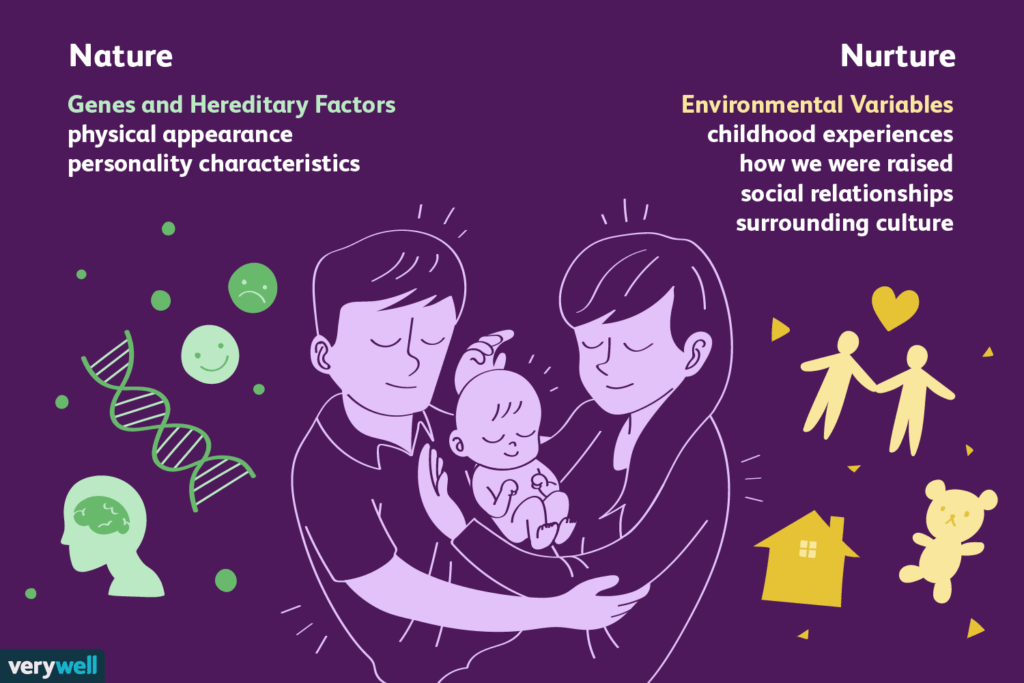
External factors, including the people we spend time with, the environments we inhabit, culture, social influence, and life experiences, continuously shape and refine who we are. While internal traits matter, the world around us provides guidance, challenges, and opportunities that help us grow into the people we want to become (1, 2, 5, 6).
Researching Internal and External factors that influence a personality have definitely helped me compare and contrast which factor truly ties the personality as a whole. For my next research round, I will be Finding the Balance Between Self and Society, researching how much of our personality is guided by our own choices, with the impact of expectations, norms, and influences of the people and communities around us. This will help me understand not only how personality develops, but also how we can intentionally shape it while navigating the social world.
Article 1 https://www.sarvayog.com/external-factors-affecting-personality-development/
Article 3 https://www.hoganassessments.com/blog/types-of-social-influence-conformity-compliance-obedience/
Article 4 https://pmc.ncbi.nlm.nih.gov/articles/PMC3058678/
Article 5 https://www.sciencedirect.com/science/article/pii/S0272494421001377
Article 7 Personal Experience