
Hello everyone, and welcome back to my blog post!
As I began exploring the justification of murder and a challenge in defining its complexity, I realized how deep moral, legal, and psychological factors intertwine when we try to understand why such acts occur. This week, I researched my second inquiry question, focusing on how societal norms and laws shape our moral understandings on the topic of murder. Through research, it became clear that our beliefs on what is “right” or “wrong” are not fixed but influenced by culture, history, and legal frameworks we have grown up with. This makes murder a reflection of the values society chooses to uphold.
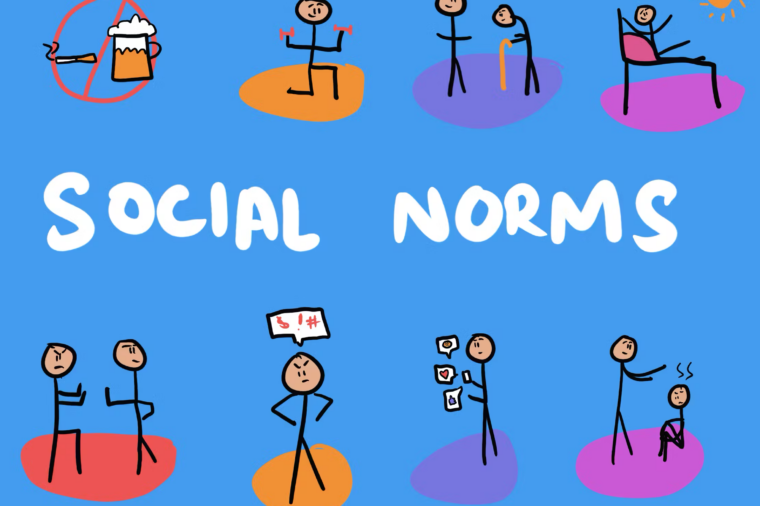
What are societal norms?
A societal/social norm is an informal rule governing behaviour within a group or society (1). Often defining what is acceptable, normal, or appropriate in various social situations, societal norms shape our choices by creating shared experiences (1). Norms are not necessarily consciously designed or imposed but often emerge organically from repeated interactions among individuals in society (1). They can be noted as “collectively held beliefs about what kind of behaviour is appropriate” in certain situations (2). We often follow them naturally, without thinking about them, influencing how we shape our daily routine and interactions (2). Norms are learned through socialization and shaped by culture, community, and one’s upbringing. Though norms don’t tell us what’s considered acceptable, they help us navigate through social situations while teaching us how to behave (2). When we’re unsure what to do in certain situations, we look to what others are doing, acting as our default guide (2). Individuals may conform to fit in, internalize, or resist norms, especially when they find norms restrictive (3). Norms around gender, authority, or community value may influence whether certain factors (including violence) are more likely to be seen as justified (3). When they are internalized, people may accept moral stances without question, making morality culturally relative (3). What is “justified” in one context may not be condemned in another (3).
Laws often reflect the underlying moral values held up by a society (4). Giving formal weight to moral condemnation or approval, when society criminalizes actions such as murder, it not only deters behaviour through punishment but also signals that murder is considered morally unacceptable (4). As society evolves, laws are often reformed. Such changes often precede or accelerate shifts in public morality and social norms (4). If a norm strongly condemns a behaviour like violence, people are less likely to commit it, even without fear of legal punishment (4). Such internalized behaviours from childhood can often guide moral behaviour (4).
Laws may prohibit killing, but if social norms view certain types of killing as acceptable, communities may morally justify them despite legal prohibition (4). Because norms reflect shared values about right or wrong behaviour, violating norms isn’t just a social faux pas but is often noted as a breach of moral expectations (5). This helps condition individuals to associate wrongdoing as moral failure (5). In a society whose norms strongly value communal honour, family loyalty, or defence of a group, an act of violence may be morally condemned in one context but seen as necessary in another (4). This illustrates how different societies or communities often view the same acts of killing very differently, because their social values differ (5). Moral judgements about murder are not only related to legal definitions but also regard deeply embedded social expectations and judgements (5). The interplay of internal feelings, such as guilt or shame, helps explain why even legally permitted violence may be morally disregarded and why certain crimes are more stigmatized than others (5).
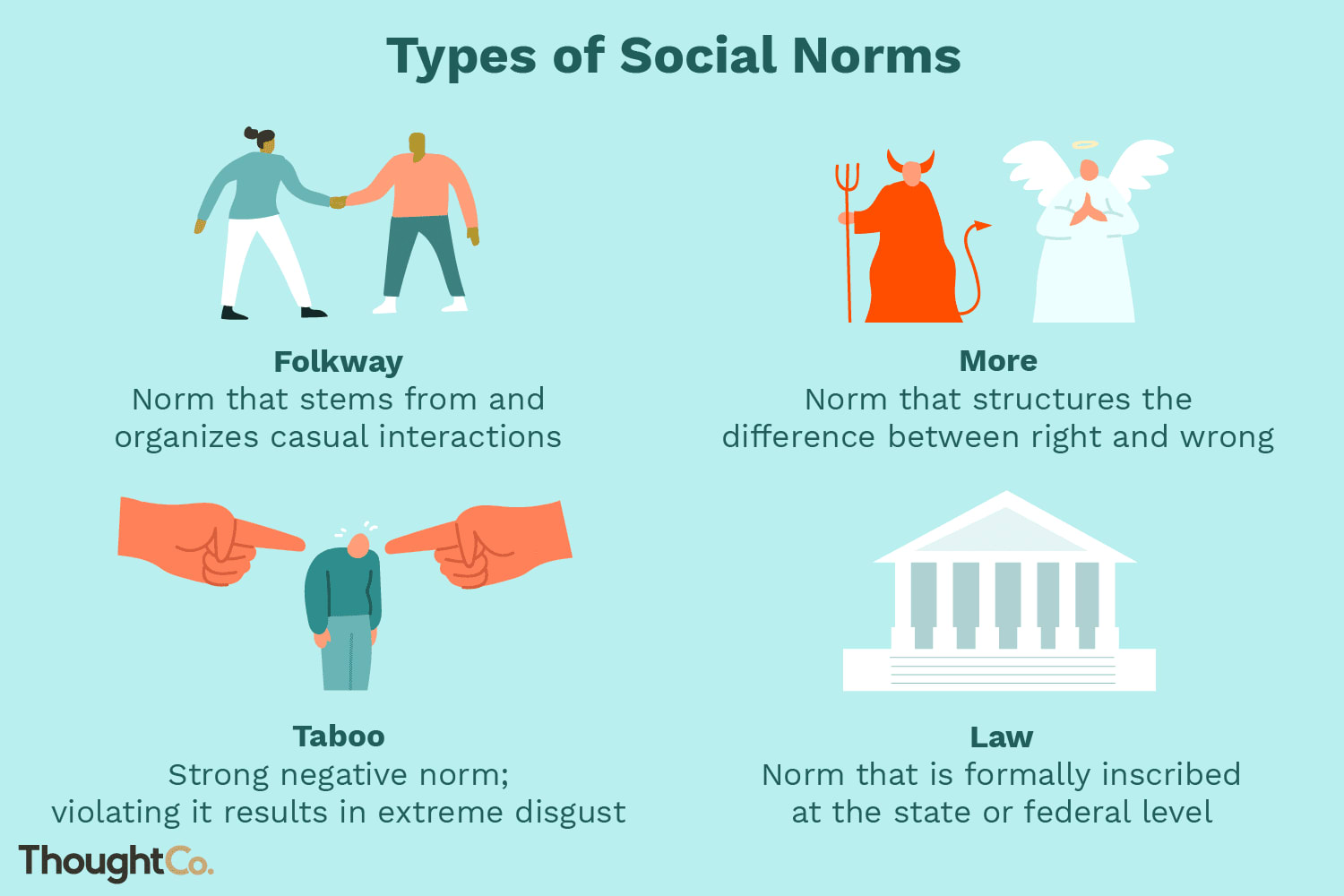
Various articles note that something being legal does not make it morally acceptable. Legal approval does not guarantee a moral justification (6). Wartime killing illustrates that even if an act meets formal requirements, such as being lawful under international law or war-law constraints, it may still be deeply immoral (6). Many people tend to implicitly treat legality as an equivalent to morality (6). Morality is broader than law, as our moral judgments often lead us to question the ethical implications of laws themselves (6). In some cases legal killing (capital punishment) under war laws or self-defence laws may remain morally questionable (6).
Normative social influence explains how people follow societal norms because they want to fit in and avoid social rejection (7). Even if someone privately disagrees with an action, they may still follow it in order to maintain acceptance within their group (7). This demonstrates that our moral views are not only shaped by personal beliefs but also the pressure to belong. When applied to murder, if a community accepts certain forms of killing, such as revenge, individuals may outwardly justify these acts simply to align with community expectations (7). Social rules also influence how we understand and view morality. Each role we take on carries a specific expectation and norm that guides how we should behave (8). These behaviours become part of how we make moral judgments. In the context of murder, the same act can be judged differently depending on a person’s social role (8). For instance, a soldier may be seen as justified for killing in a war, while a civilian committing the same act would be morally condemned (8).
Research shows that through several pathways, social norms become internal beliefs, illustrating what we believe is right or wrong. Norms begin as external expectations but over time become part of our internal value systems (9). This helps explain why certain moral beliefs about violence and killing remain strong across generations (9). If a community has long-standing norms, these ideas can become internalized as moral truths (9). Even without direct legal instruction, individuals may come to view specific acts of killing as justified or unjustified simply based on what their society deems historically acceptable.
Next week, I plan on exploring how historical figures and leaders have justified murder through moral and political reasoning. While murder is universally condemned, history shows that those in power have often reframed killing as necessary. Leaders often use ideology, fear, patriotism, religion, or greater good arguments to justify acts of violence that may otherwise be unacceptable. Examining this would allow me to understand how morality can be reshaped by authority, how political agendas can influence ethical judgment, and how society comes to accept or reject certain forms of killing. This will allow me to see how power and morality intersect and why some acts are labelled murder while others are defended.

- https://plato.stanford.edu/entries/social-norms/
- https://thedecisionlab.com/biases/social-norms
- https://lifestyle.sustainability-directory.com/question/how-do-societal-norms-affect-identity-development/
- https://blog.lukmaanias.com/2024/07/22/social-norms-determine-the-moral-standards-of-people-do-you-agree-give-your-view/#:~:text=Social%20norms%20are%20unwritten%20codes,individuals’%20moral%20perceptions%20and%20behaviors.
- https://psychology.town/social/consequences-violating-social-norms/
- http://opiniojuris.org/2012/12/31/legality-is-not-morality/
- https://lifestyle.sustainability-directory.com/question/how-do-societal-norms-affect-identity-development/
- http://opiniojuris.org/2012/12/31/legality-is-not-morality/
- https://www.simplypsychology.org/social-roles.html
I like how you explained societal norms and connected them to how people judge murder differently across cultures and situations. One thing you could maybe add next time is a real world example to show how a norm affects people’s views today. Overall, your research is really detailed and well done!
-Parmis Deishidi