Hi! In this blog post, I will continue researching my story project. This time I am researching the second half of my story outline. This includes climax, falling action, and resolution. In this part of my story, I am focused on the political aspects of my story and the revolution in my falling actions. I will be researching other places in the world where similar events have happened and using them as inspiration for my story. I will be also researching current political activists for potential characters later on in my story. I hope you enjoy!
Countries that had technology taken away by government
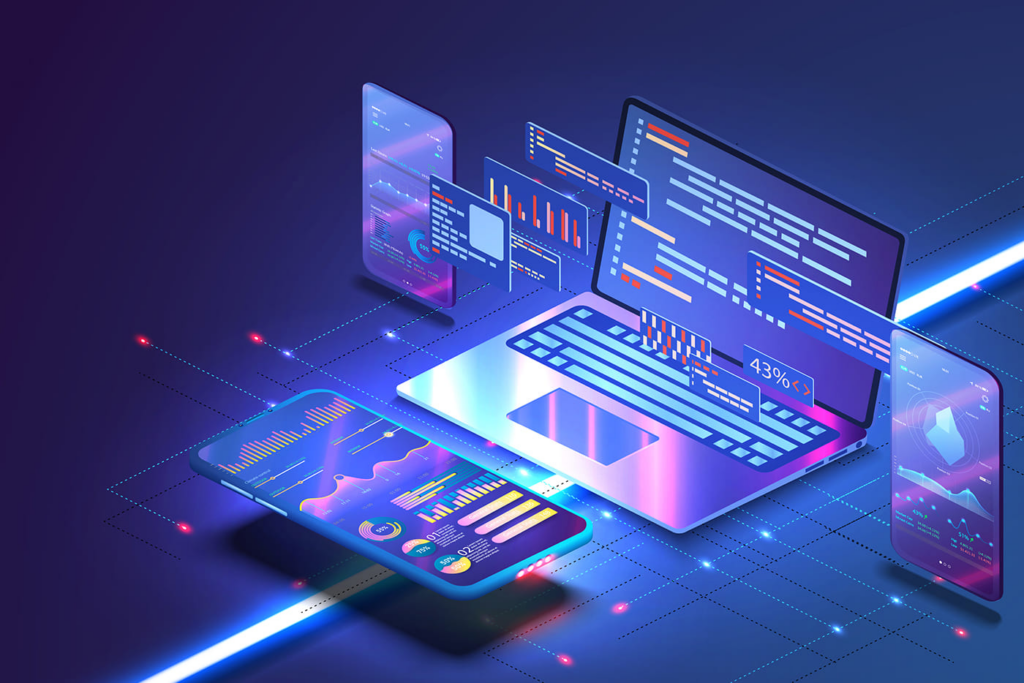
In this topic I will explore examples of technology bans in different places around the world. This knowledge will expand my perspective while writing this topic
- Social media ban in China“. One of the most notable examples is China, where Facebook has been banned since 2009. The Chinese government blocks access to Facebook and other popular social media platforms in order to control the flow of information and prevent the spread of dissent” (1)
- Mobile phone ban in Cuba “Until 2008, the use of mobile phones in Cuba was heavily restricted, and ownership of mobile phones was prohibited for most Cuban citizens. The government viewed mobile phones as a luxury item and a potential threat to national security, and only a select few were allowed to own them.” (1)
- Chatgpt banned in Italy “Whether Italy’s ban on the AI chatbot will need to further bans across Europe will remain unclear, but, for now, what regulatory action the technology may face in the future remains unclear.” (1)
- The Tiktok ban in the U.S “Since 2020, the U.S. federal government has taken increasingly aggressive steps to regulate the platform. In 2020, the Trump administration issued Executive Order 13942, which sought to ban TikTok unless the app was sold to a U.S.-based company.” (2)
- AI ‘Deepseek’ ban “The federal government has restricted Chinese artificial intelligence company DeepSeek’s chatbot from some of its mobile devices and is recommending other agencies and departments follow suit.”(3)
Countries that started revolutions
A revolution is a big part of my story’s falling action. Research on different countries that have revolted specifically using social media will be very helpful to make my writing more factual and accurate. Also I will be breifly looking at a few theoretical parts of a revolution (modern day revolutions, the use of social media in revolutions and the concept of a peacful protest) to better understand the concept of a revolution.
- What are modern day revolutions “Social revolution had its heyday in the mid-twentieth century. But in recent decades, social revolutions have faded, and political revolutions aimed at containing corrupt and repressive dictatorships have multiplied in their place.” (4)
- The Egyptian revolution “What made January 25 extraordinary was not that Egyptians protested against the Mubarak regime — that had been happening for a decade. What made it extraordinary was that for the first time, hundreds of thousands of ordinary, non-activist Egyptians joined them on the streets to demand the overthrow of the regime.” (5)
- The use of social media in this revolution “Since the rise of the Internet in the early 1990’s, the world’s networked population has grown from the low millions to the low billions” (Shirky 13). Because Facebook, Twitter, and other forms of social media are relatively new forms of communication, the fact that they are so popular in the ongoing protests in the Middle East is something of a revolution.” (6)
- Tunisian revolutions “The Tunisian revolution of 2011 (al-thawra al-tunisiya) was the result of a series of protests and insurrectional demonstrations, which started in December 2010 and reached culmination on January 14, 2011, with the flight of Zine el-Abidine Ben Ali, the dictator who had held power for twenty-three years. It did not occur in a manner comparable to other revolutions. The army, for instance, did not intervene, nor were there actions of an organized rebellious faction. The demonstrations were peaceful, although the police used live ammunition, bringing the death toll to more than one hundred” (7)
- Peaceful protests “Positive Peace” is defined as the attitudes, institutions and structures that create and sustain peaceful societies. While the other domains have improved since 2008, the attitudes domain has deteriorated by 1.8%, demonstrating a clear link between Positive Peace and the global trend in violent demonstrations.”
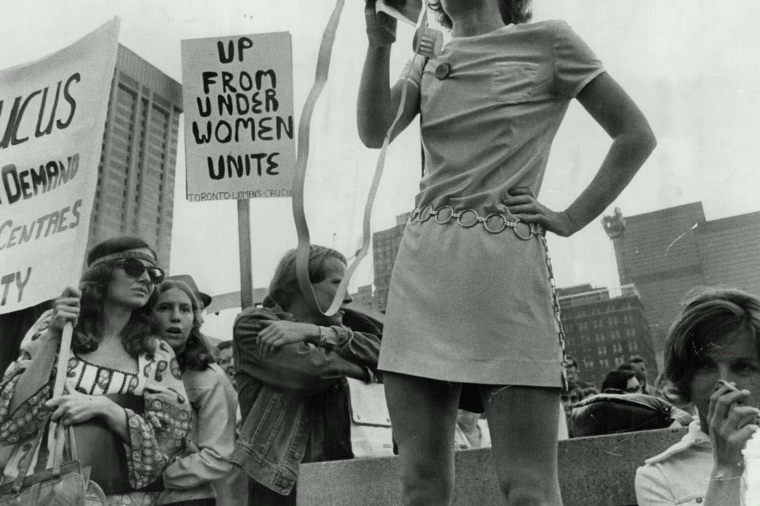
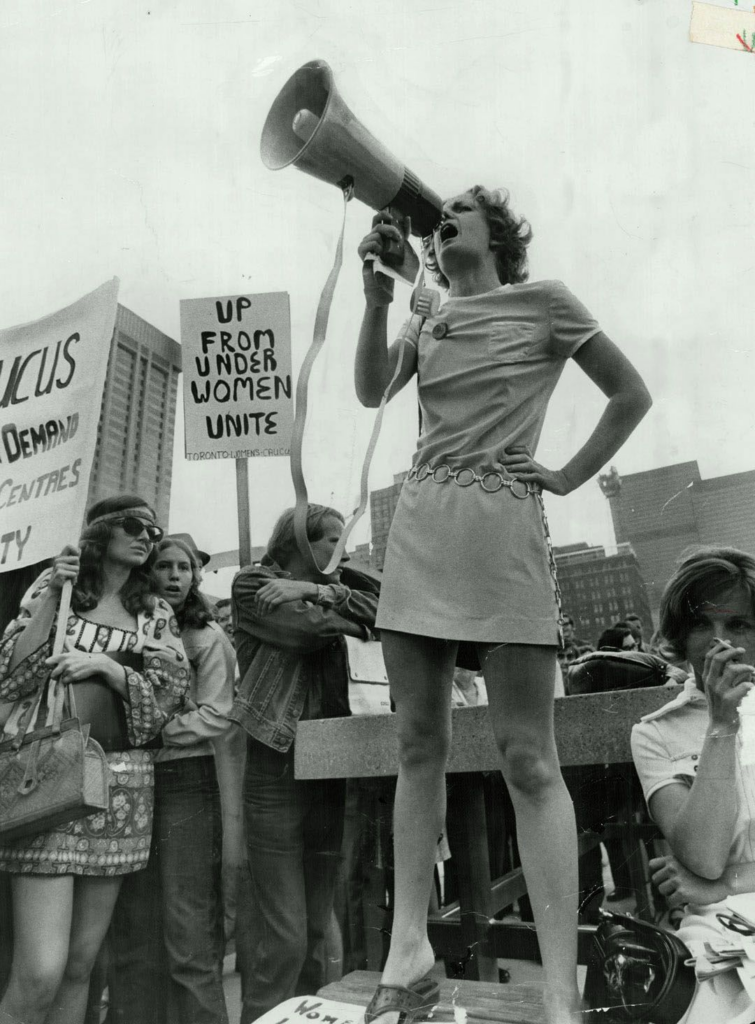
- Saudi Arabian Women’s right to drive “Determined, peaceful protesters pushed the Saudi Arabian government to overturn its ban on women driving. The Saudi authorities arrested many for their peaceful protests. The authorities overturned the ban in June 2018. But it came at a cost; they again imprisoned some of the campaigners who had worked so hard to win the right to drive” (12)
Current political activists
In this section, I find names of some current political activists and what they stand for.
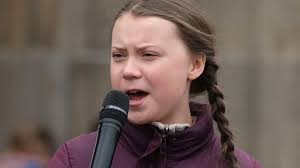
- Greta Thunberg “Greta Tintin Eleonora Ernman Thunberg is a Swedish activist best known for pressuring governments to address climate change and social issues.” (8)
- Malala Yousafzai “Malala Yousafzai[a] (born 12 July 1997) is a Pakistani female education activist, and producer of film and television.” (9)
- Benjam Crump “Whenever there is a high-profile allegation of police abuse, or a black person is killed under controversial circumstances, more often than not these days it seems Crump is there — holding news conferences, speaking on behalf of victims’ families, demanding accountability.” (10)
- Erika Andiola “Erika Andiola is a Mexican immigration rights activist located in Metropolitan Phoenix.[1]” (11)
- Ezra Levin “Ezra has been featured in TIME 100’s Most Influential People of 2019, included on GQ’s 50 Most Powerful People in Trump’s Washington, and ranked #2 on the Politico 50 list of top thinkers, doers and visionaries transforming American politics.” (13)
Censorship
In this section I will researchf different countries using censorship on their citizens. My story has a similar theme because taking away digital technology is a form of censorship and this could be an interesting motive within my story.
- North Korea “The North Korean government is increasingly implementing the death penalty, including for people caught sharing foreign films and TV dramas, a major UN report has found.” (14)
- Russia “The designation means the international human rights group must stop all work in Russia, and opens those who cooperate with or support the organization to prosecution.” (15)
- Book ban in the U.S “Banning” is defined as “legally or officially prohibiting something.” In the case of a public school placing restrictions on books based on inappropriate content for minors, no official ban occurs because the controversial books are available elsewhere via booksellers or the Internet.”
- Saudi Arabia “Multiple forms of media including books, newspapers, magazines, films, television, and content published on the Internet are censored in Saudi Arabia.The Saudi government closely monitors media and restricts it under official state law. (17)
- Iran censorship “Iran has strict regulations when it comes to internet censorship.[4][5] The Iranian government and the Islamic Revolutionary Guard Corps persistently block social media such as Facebook, Twitter and Instagram along with many popular websites such as Blogger, HBO, YouTube, and Netflix” (18)
Bibliography
Hi Lina! I really enjoyed reading your post and I’d love to read more about this topic. I liked how you label the important points in your post. An idea to make your post even better is giving some more examples of countries that had technology taken away by the government. A source that can help is: https://en.wikipedia.org/wiki/Internet_censorship_in_Iran#:~:text=Iran%20is%20known%20for%20having,foreign%20media%20and%20online%20content.
Overall your post looks great! Good luck on your next post!