
For my fourth blog post, I will be exploring effective strategies and programs such as investigating the existing ways mental wellbeing is promoted in school and workplaces, including the best ways it is most effective.

One way of teaching people that it is okay to reach out for help is schools working to increase students’ mental health literacy by giving students knowledge and skills about mental health. This way they can recognize when they may need help, instead of putting it off which allows their condition to worsen. Promoting mindfulness is also another way school can integrate practices that help students manage their thoughts and emotions by teaching skills like self-management, healthy decision-making, empathy, and resilience (1).
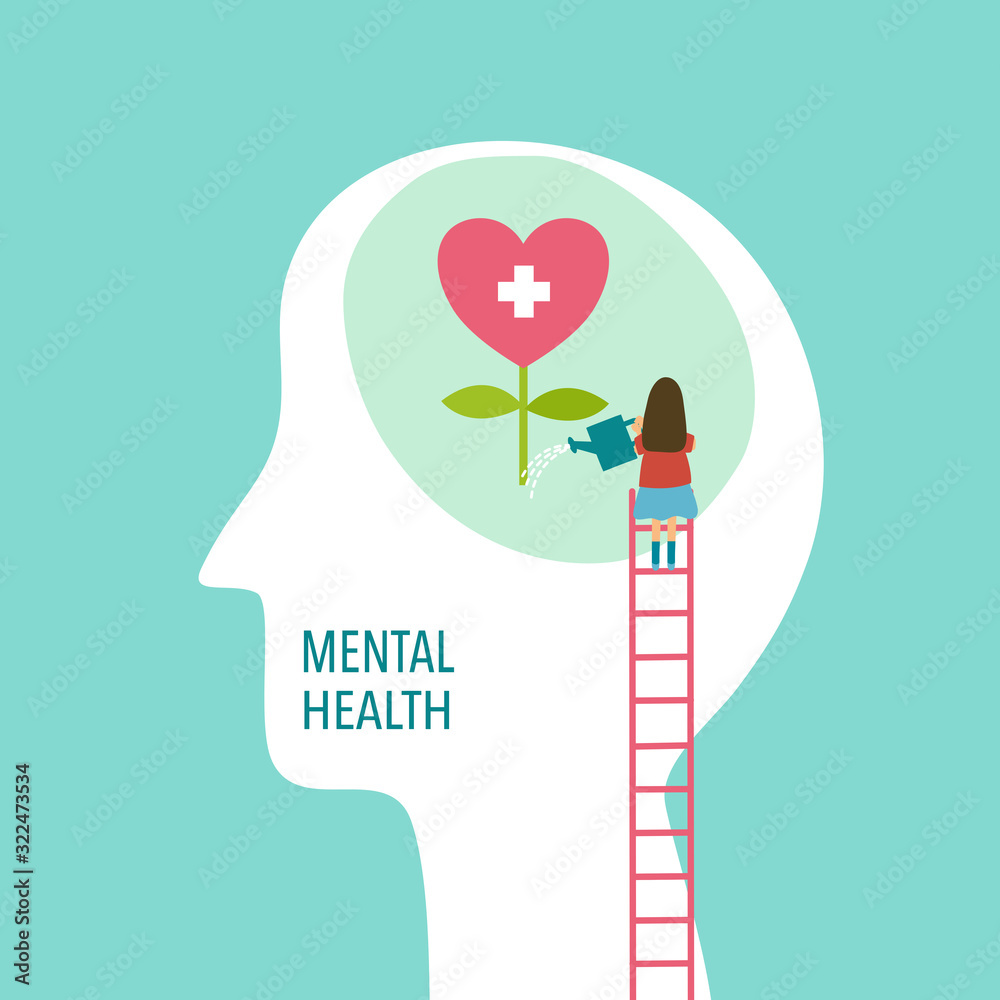
Using kind and respectful language when discussing mental health with people can make a huge difference. Instead of labels and hard terms, use person-centered language, for example, say “a person living with depression” instead of “a depressed person. When someone opens up about their mental health, listen with empathy, believe their experience, and avoid judgment because sometimes just being heard can help so much. Validating their feelings and sharing resources to help them find professional support. Above all, treat mental health like physical health. (2)

Mental illness stigma means having unfair or wrong beliefs about people facing mental-health challenges, which can make them feel ashamed or excluded from others. Also because of these wrong stereotypes, many people avoid seeking support which can make their struggles worse. It matters to speak out, learn facts, and treat mental health with the same care as physical health, so we can guarantee everyone feels safe when getting help. (3)

Sources:
3. https://www.healthdirect.gov.au/mental-illness-stigma?utm_source
Thank you for reading!