
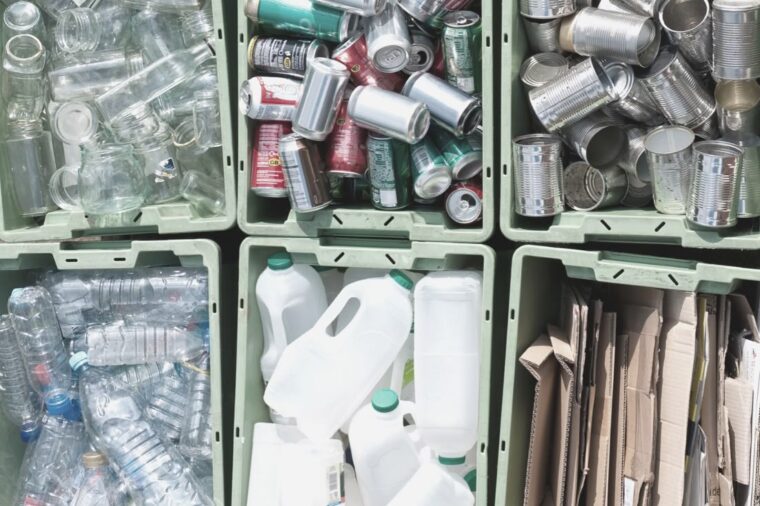
Hi everyone! Welcome back to my blog about waste. As stated before, my inquiry question is: How much do we really use and what are the impacts of all the things we don’t? In the last post I looked at what waste is, the different types of waste, where it comes from and where it ends up. In this post I am going to look at why we waste. This will also address how cultural/social habits, economic systems and infrastructural systems affect this topic.
so, why do we waste so much?
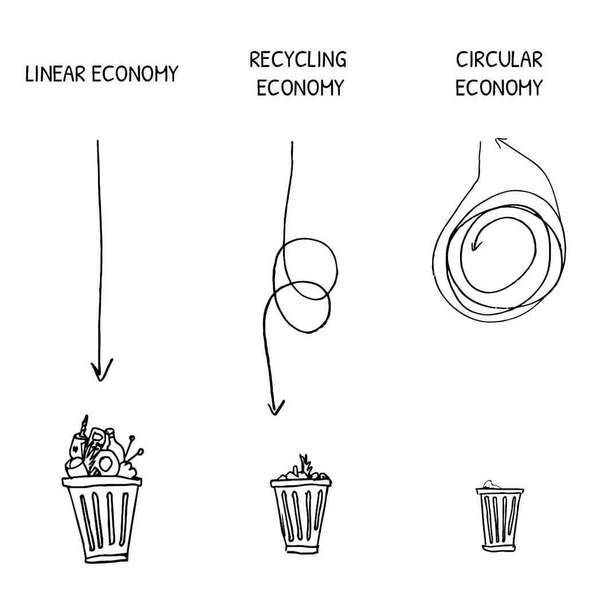
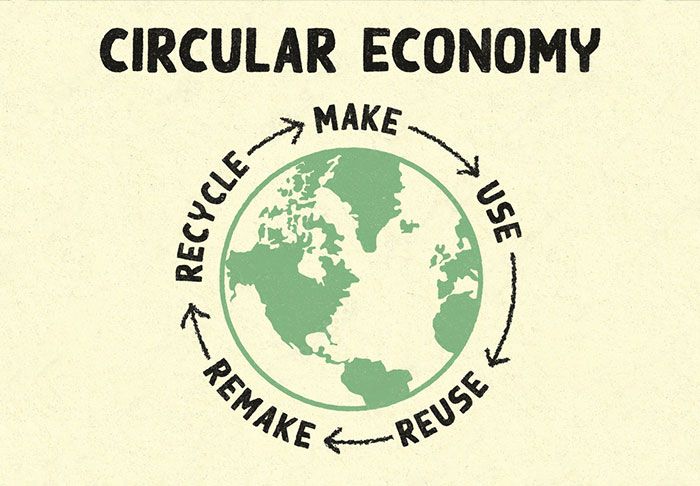
Globally we create just under 1.5 billion tons of trash every year. That’s way more than how much we can process or recycle. This leads to issues like sea pollution and political tension as richer countries or those who generate lots of waste need to find places to put their trash. Our global economy is like this because it’s how its designed. The system is linear; we take, we make, we throw it away. To bend our system into a circle there are five things we have to change. Consumers’ expectations, Government regulations, Improper infrastructure, Undeveloped recycling technology, and Incorrect business models. (1) In my next post I’ll look at how we can fix it but for now I will only be looking at the problems themselves and how they are the reason we waste so much.
Consumers’ Expectations & Consumerism
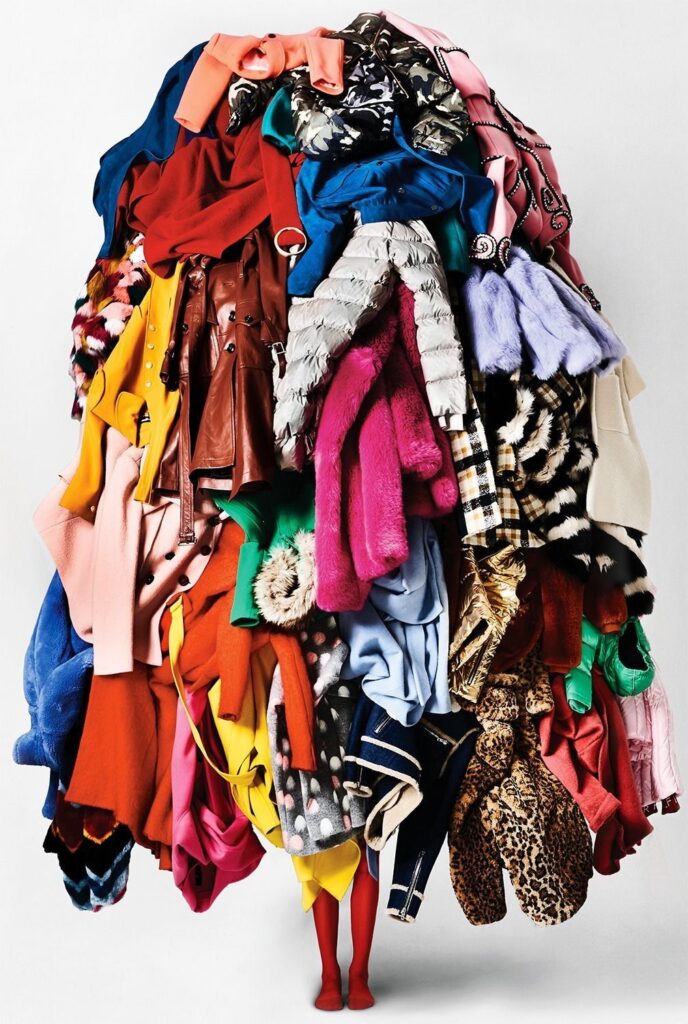
Consumers’ expectations are what people who are shopping or interacting with a business expect the business’ actions to be or behave like. They are very important of a business’ success. (2) Consumers’ expectations directly effect global waste because they influence how products are designed, packaged, and disposed of. Our attitudes and choices are critical in waste management. (3) Through support consumers affect the sustainability of a company. This means that our actions and expectation control what companies produce, how they produce them, and where they end up.
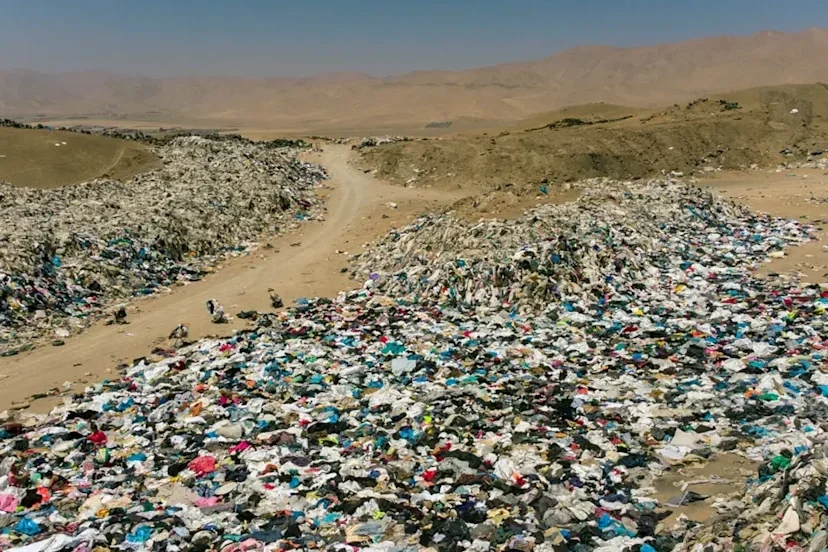
Consumerism is a lifestyle with the ideology that you need new and more, leading to excessive consumption of unnecessary things. When many people buy mass amounts of products, continuously, a lot of waste is put out into the environment. Especially when they are bought only to be replace with newer versions. (4) An example which is often though of when it comes to consumerism is fast fashion. The mass production of cheap low-quality clothing following current micro trends. These pieces of clothing are usually disposed of not long after buying, ending up in clothing graveyards like the one located in the Atacama Desert. (5)
These are both connected as they are controlled by the public and are problems that could be turned into tools to fight against the issues of waste. Currently the average person in developed countries uses 3x more resources than the global average (2), consumers expect and prefer fast fashion and disposable goods (6). Most people don’t care or don’t know that the things they are consuming or the way they are consuming them is problematic. Most people buy the cheaper trendier option, as the world is expensive. However, our support allows companies to mass produce, making billions for cheap, polluting our planet not only with emissions but with dumps of waste.
Government regulations
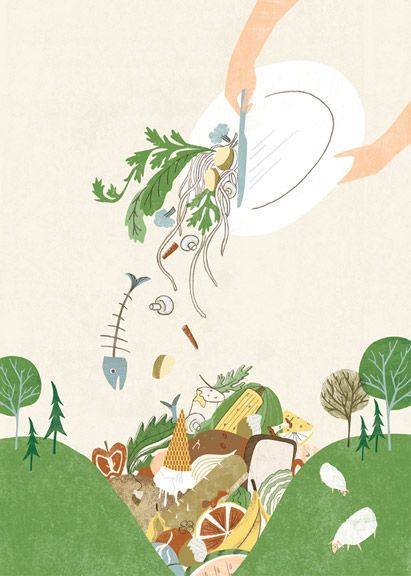
Some laws unintentionally cause mass amounts of waste. An example which is common would be laws around food and beverage. (1) This is a worldwide problem, but it is especially bad in Canada. The government is currently trying to fix this as every year 60% of all food manufactured is lost or wasted. (7) There are many parts to this problem and government regulation is one of them. As the Government of Canada’s Health site has clarified “best before” means peak freshness and with some exception’s food is still safe and edible after it has reached its date. (8) Another food related example, eggs in Europe are labeled with expiration dates for storing in pantry. However, they stay good well after the expiration if stored refrigerated. (1) Many little hiccups or unexplained regulations like this lead to food being thrown away before its bad.
Improper infrastructure
Many developing countries don’t have proper waste management infrastructure. One third of plastics worldwide are not collected and more than half of all plastic litter come from China, Indonesia, the Philippines, Thailand and Vietnam. (1) Limited resources can make it very difficult to put a proper waste management infrastructure in place. Impeding people from throwing away their trash much less recycling it. (8)
Undeveloped recycling technology
Everyone has been taught to reduce, reuse and recycle, however out of all the trash we put into the recycling bin not that much is really converted into reusable material. In the US under 9% of plastic recycled are actually recycled. Many aren’t accepted, many get contaminated by grease, dirt or food. People often aren’t sure if something can be recycled but put it with recyclables anyway, this slows the process a lot. Same as improper infrastructure some municipal areas just don’t have the resources to fund recycling programs. The left-over plastics are burned, shipped over seas, or get sent to the landfill. (10)
On top of all of that, only 2% of products recycled are near the same quality. This is because the way plastics are sorted and clean is very limited. (1) We need better technology if we want to make a dent in the 1.5 billion tons of trash we produced every year.
Incorrect Business models
Like I mentioned before, our economy has a take, make, dispose system. Most current businesses have linear models which work the same way. Get resources, make products, dispose of them after use. (11) With the rapid growth of our global population, these outdated models are unsustainable and cause so much waste. (1)
Now that we know the many reasons we waste so much, we are well set up research and come up with solutions to this worldwide problem. That’s what Ill be doing next time. Thank you so much for reading this post!
- Why do we waste so much stuff? | World Economic Forum
- Customer Expectations – What is it, Examples, How To Exceed
- Consumer Choices And Their Environmental Impact: A Comprehensive Analysis | ShunWaste
- Consumerism and the Environment: Is Shopping Sustainable? – Environment Co
- Fast fashion | History, Definition, Brands, Companies, Environmental Impact, Waste, & Facts | Britannica
- Consumer Choices And Their Environmental Impact: A Comprehensive Analysis | ShunWaste
- Canada’s Food Waste Crisis: Why We Waste So Much & What To Do | The Northern Star
- Understanding the date labels on your food – inspection.canada.ca
- The Dangers of Inadequate Waste Management – thirdview
- Recycling Isn’t the Solution You Think It Is — Here’s Why – Uber Artisan