
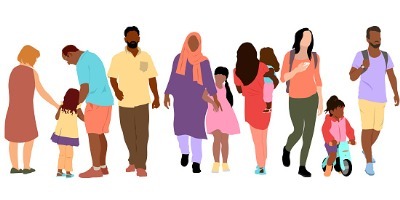
Welcome to my second round of research concerning my Inquiry question! Today I’ll be sharing my findings from the second step of my three step reasearch plan. This round really helped me understand the scale of which parents and parenting techniques can change a child’s life, and the way that these methods can change depending on country and culture. Now, let me show what I’ve learned:
Step 2: Research different general beliefs and methods (cultural, religious, ect.) about child rearing based on countries.
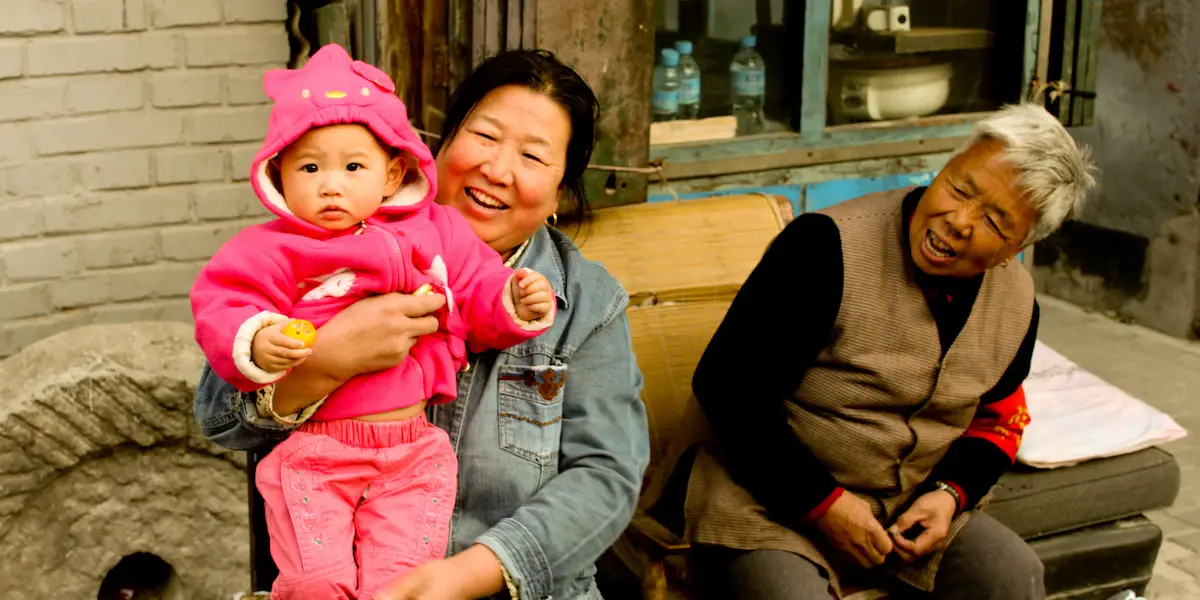
Some aspects of parenting, like physical caregiving, are prominent in all cultures because they are necessary for promoting children’s survival (1). Other parenting behaviours completely vary by country and culture, to start, the debate on individuality vs. tradition. American families tend to stray away from customs, and have a less strict child rearing agenda. They put an emphasis on personal freedom and have a strong desire to raise their children to be more financially sucessful (2). Chinese parents on the other hand, are very traditional with their parenting. Children raised with Chinese values are instillend with a great duty toward their family (2). Chinese parents also teach their children how to live in harmony with others as part of their child-raising technique. In that sense, individual emotional expression is considered harmful, since it doesn’t keep harmony; and so, a culture of “saving face” is popular, and children are shamed if the break society’s expectations for propriety (2). Filipino parents have a very similar way of going about it, following concepts like hiya (“shame” or “sense of propriety”) and pakikisama (getting along with others to create harmony, even if it conflicts with an individual’s personal desires) (2).
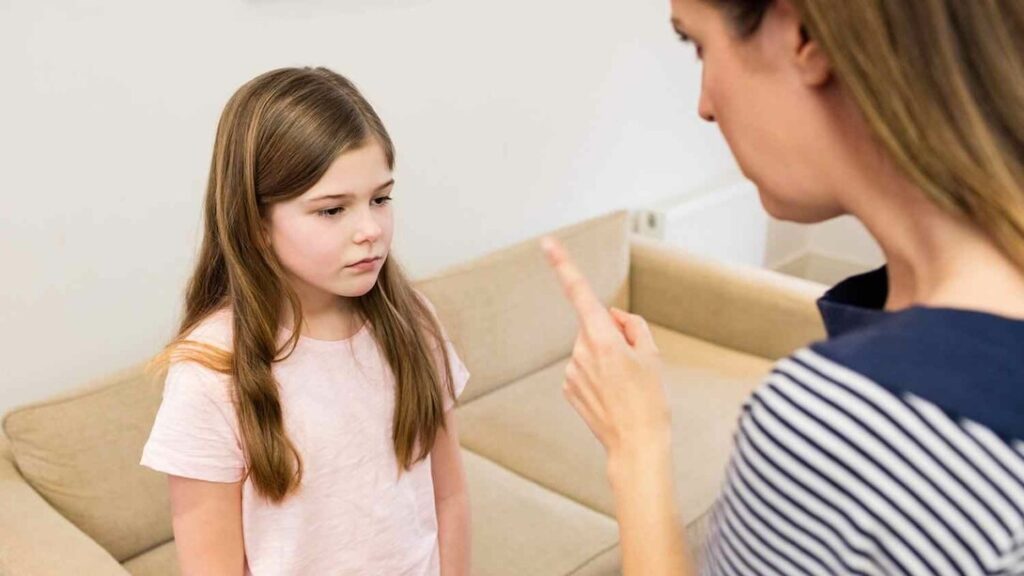
Another way in which beliefs around child rearing vary is on the basis of strictness. In France, parenting is more authoritative. Parents have firm boundaries, especially with mealtime. Children can’t be picky, they are expected to eat what is given to them, and be polite at the dinner table (4). In Australia, they have a more laid-back appoach. They focus on being outside and letting their children take risks, and learn from them. This is also rooted in Indigenous practices, traditional knowledge they weave into children’s lives (4) (3). They belive that outdoor play is the best for children, because it helps them build resilience, and encourages problem-solving. In Norway and other scandinavian countries, they are known for being more permissive. They give children more freedom and let them make a lot of their own decisions, ephasising their rights and equality (4).
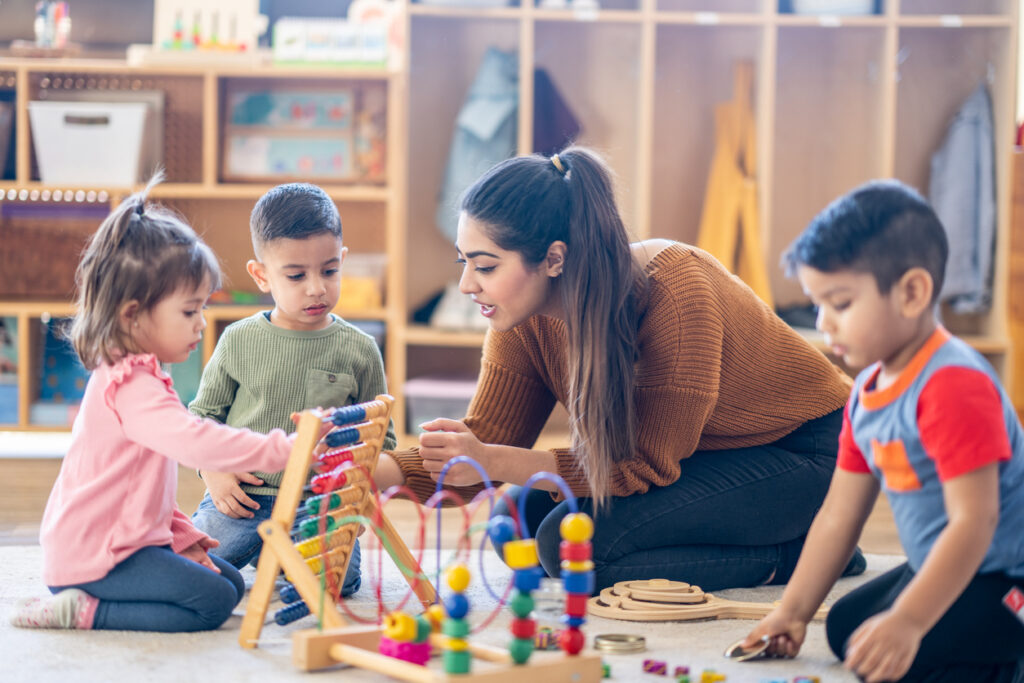
Childcare is also a very controversial thing in other cultures. Scandinavian childcare in known by their extensive parental leave policies. The state really supports childcare, letting both parents take substantial time off with their babies (3). Mothers and fathers can take up to a year or more with their children, while getting financial support. In Africa, they really use the phrase ‘it takes a village’. Extended families and neighbours often help take the weight of caring for the kids, due to financial constraints and lack of childcare facilities. This way of life isn’t bad though, it instills strong bonds and ingrains social ties within the community, connections that will last forever (3). The UK plans to fund a new programme offering working parents 30 hours per week of free childcare (5). The governement expects this to encourage 60, 000 more parents to get jobs after having children (5). The International Labour Organisation stated that 2 bilion parents live in countries without quality childcare services and parental leave. Impoving childca policies could create many jobs and help boost womens employment (5).
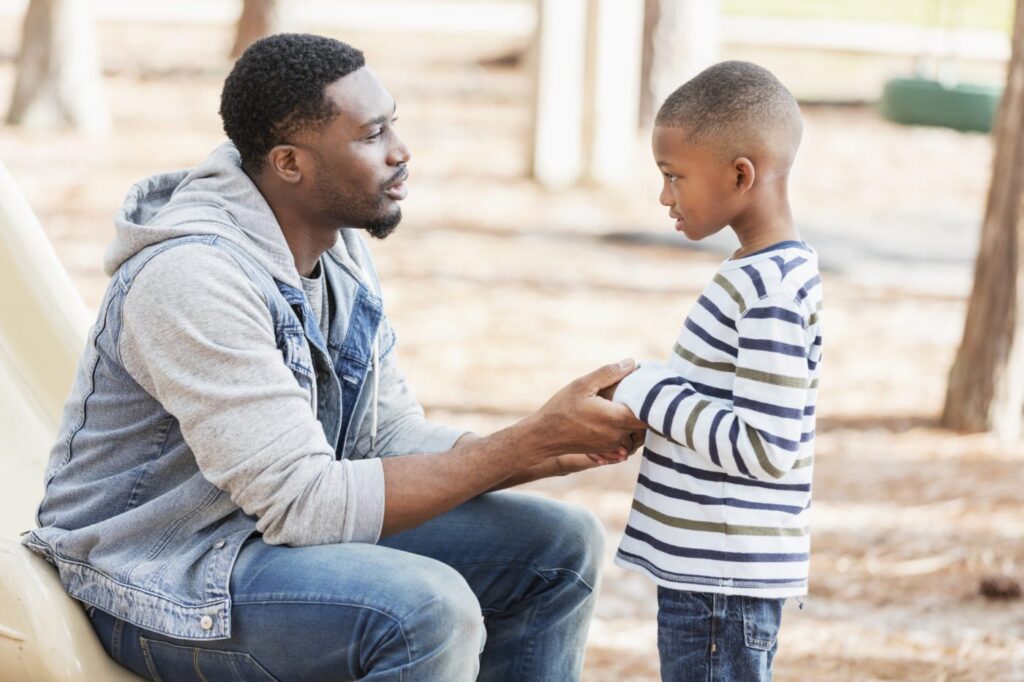
Lastly, discipline. From a study, 49% of parents in Albaina had said that in their household, only non-violent forms of punishment and discipline had been used in the last month. Whereas from the same study, no parents from Mongolia reported that there was exclusively non-violent punishement used (1). In Europe, they are pushing to make corporal punishment illegal, Sweden starting the movement. They pefer to give children autonomy and decide punishment based on case (6). Britain has also gotten to be more in favor with positive parenting (6). The supernanny style of parenting has become more popular, focusing on encouagement and praise, using timeouts as punishement when needed so the child can think about their actions (6). In China and Japan, obedience is pretty important. (7) Parents expect children to listen and be respectful, they are raised to be future members of society (7)(6).
Sources:
- https://pmc.ncbi.nlm.nih.gov/articles/PMC8940605/
- https://www.tuw.edu/health/child-rearing-practices-different-cultures/
- https://parentapp.ca/blog/global-childcare-practices
- https://easystylewithsami.com/around-the-world-in-eight-parenting-styles/
- https://www.weforum.org/stories/2023/07/highest-childcare-costs-by-country/
- https://www.fatherly.com/health-science/child-rearing-discipline-practices-across-cultures
- https://expatsincebirth.com/2013/08/11/about-how-parents-discipline-their-kids-across-cultures/
This research really helped me understand that parents have very diferent views on child-rearing practices depending on the country that they live in because of culture, and societal norms. I also got context on how these differences can affect children during their childhood, and long term. The next, and last, step of my plan will be to: Research the general socio-economic status of families in different countries. I believe this will help me figure out what role financial standing and wealth have on children’s upbringings, and how that could potentially affect them, positively and negatively.
Thank you for reading, I can’t wait to research again!
Hi Jaeda, I found this blog post really interesting! I love how you compared parenting and child-rearing across cultures. I look forward to your next step about socio-economic status, I also found this website that might help, https://www.unicef.org/stories. So exited to read your next blog post!
Hi Jaeda, I found this blog post really interesting! I love how you compared parenting and child-rearing across cultures. I’m looking forward to your next step about socio-economic status, I also found this website that might help, https://www.unicef.org/stories. So exited to read your next blog post!