
In today’s world, social media plays a big role in how teenagers see themselves and express who they are. Most teens use platforms like Instagram, TikTok, and Snapchat daily, making social media a major part of their identity during their teen years (1). These years of our lives are really important because people are still trying to figure out their values, interests, and sense of self, and social media becomes one of the main places where this exploration happens (1). The way teens present themselves online can influence how they feel about themselves offline as well (1).

For this post, I’m focusing on my third and last sub-question: How does social media shape teenagers identity and self-expression?
One positive effect of social media is that it gives teenagers a space to explore and express their identity. The Pew Research Center found that many teens feel social media helps them show their personality and feel more comfortable expressing who they are, especially when it comes to interests like music, fashion, hobbies, or beliefs (2). Social media also allows teens to find communities where they feel accepted, such as groups based on shared experiences, identities, or challenges someone’s been through (2). For example, a teen who feels uncomfortable talking about their interests at school might join an online art or music community where they can share their work and feel supported by people with similar interests. This can help teens feel understood and supported, which plays a big role in building confidence and a stronger sense of self (2).

However, social media can also negatively impact how teens view themselves. The American Psychological Association explains that teens are especially vulnerable to comparison because their brains are still developing, and they are more sensitive to peer approval (3). Seeing constant images of “perfect” bodies, lifestyles, or faces, many of which are edited or filtered, can make teens feel insecure or insecure with who they are (3). Over time, these comparisons can affect a teen’s self-esteem and make them feel pressure to change themselves to match the unrealistic standards online (3).
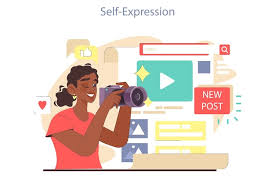
Social media also affects how teens choose to present themselves online. According to Common Sense Media, many teens carefully think about what they post because they are worried about being judged or embarrassed (4). This can lead teens to only show the “best” parts of themselves online while hiding their true thoughts or emotions (4). For example, a teen might delete a photo or avoid posting an opinion because they’re worried it won’t get enough likes or might lead to negative comments. When teens start shaping their identity around what gets the most likes or attention, their self-expression can become less genuine and more focused on approval rather than authenticity (4).
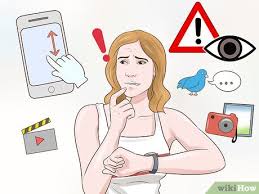
Mental health is closely connected to identity and self-expression online. The Mayo Clinic reports that teens who depend heavily on social media for validation may feel anxious or upset when their posts don’t get enough likes or comments (5). Negative feedback, online criticism, or being ignored can strongly affect how teens feel about themselves and their self-worth (5). This can cause stress and make teens question their value, especially if they tie their identity too closely to their online presence (5).

Overall, social media has a strong influence on teenagers identity and self-expression. It can help teens explore who they are, connect with others, and feel confident expressing themselves, but it can also create pressure, comparison, and self-doubt. Understanding both the positive and negative effects of social media can help teens use it in healthier ways while still being true to who they are.
Sources
(1)Southwest Shadow – The Impact of Social Media on Student Self-Expression by Karmen Cao https://southwestshadow.com/features/trending-now-the-impact-of-social-media-on-student-self-expression/
(2) Pew Research Center – Teens, Social Media & Identity facts by Pew Research Center team
https://www.pewresearch.org/internet/fact-sheet/teens-and-social-media-fact-sheet/#:~:text=Many%20teens%20are%20on%20social,report%20daily%20use%20of%20Facebook.
(3) American Psychological Association – Social Media Effects on Teen Self-Esteem by Kirsten Weir
https://www.apa.org/monitor/2023/09/protecting-teens-on-social-media
(4) Common Sense Media – How online experiences influence boys development by Common Sense Media team
https://www.commonsensemedia.org/press-releases/new-report-reveals-how-online-experiences-inform-adolescent-boys-development
(5) Mayo Clinic – Teens and Social Media Use by Mayo Clinic staff
https://www.mayoclinic.org/healthy-lifestyle/tween-and-teen-health/in-depth/teens-and-social-media/art-20474437
Hi Sydney,
This is a very thoughtful and balanced post, as it was very easy to follow and helps me understand the positives and the negatives ways social media affects teenagers. I loved reading your supporting points as it’s game clear examples and visuals that help everything come together so it’s easier to understand. Your first image was very powerful, as it portrayed the message that our lives and minds are very busy. Overall, your post is amazing! I would change nothing about your post; however for upcoming research I found a few websites that you might find useful.
https://link.springer.com/article/10.1007/s12144-024-05980-z?
Hey Sydney!
This is such an insightful and engaging post. I really like how you didn’t just focus on one side of social media, but instead showed how it can both support and challenge teenagers’ identity development. Your explanation of how teens use social media to find communities and express interests was especially strong because it highlights the positive role it can play. Overall, your post is very well developed. One idea you could explore further in future research is how parents, schools, or even teens themselves can create heathier boundaries with social media while still using it for self-expression. You might also look into studies about screen time balance or digital wellness strategies. Overall, your post is very well thought out and interesting 🙂
Here is a resource that you can use for reference in the future: https://childmind.org/article/how-using-social-media-affects-teenagers/