Hi everyone! Welcome back to my blog about waste. As stated before, my inquiry question is: How much do we really use and what are the impacts of all the things we don’t? In the first round of research I looked at what waste is, the different types of waste, where it comes from and where it ends up. Then in the second round I looked at why we waste and how cultural/social habits, economic systems and infrastructural systems affect my topic. In this post im to look at what/who does this issue affect, what are past, present and future consequences, what are some solutions, how would these solutions work and what would be the positive impacts of this change.
Who/what does it affect
- environmental consequences
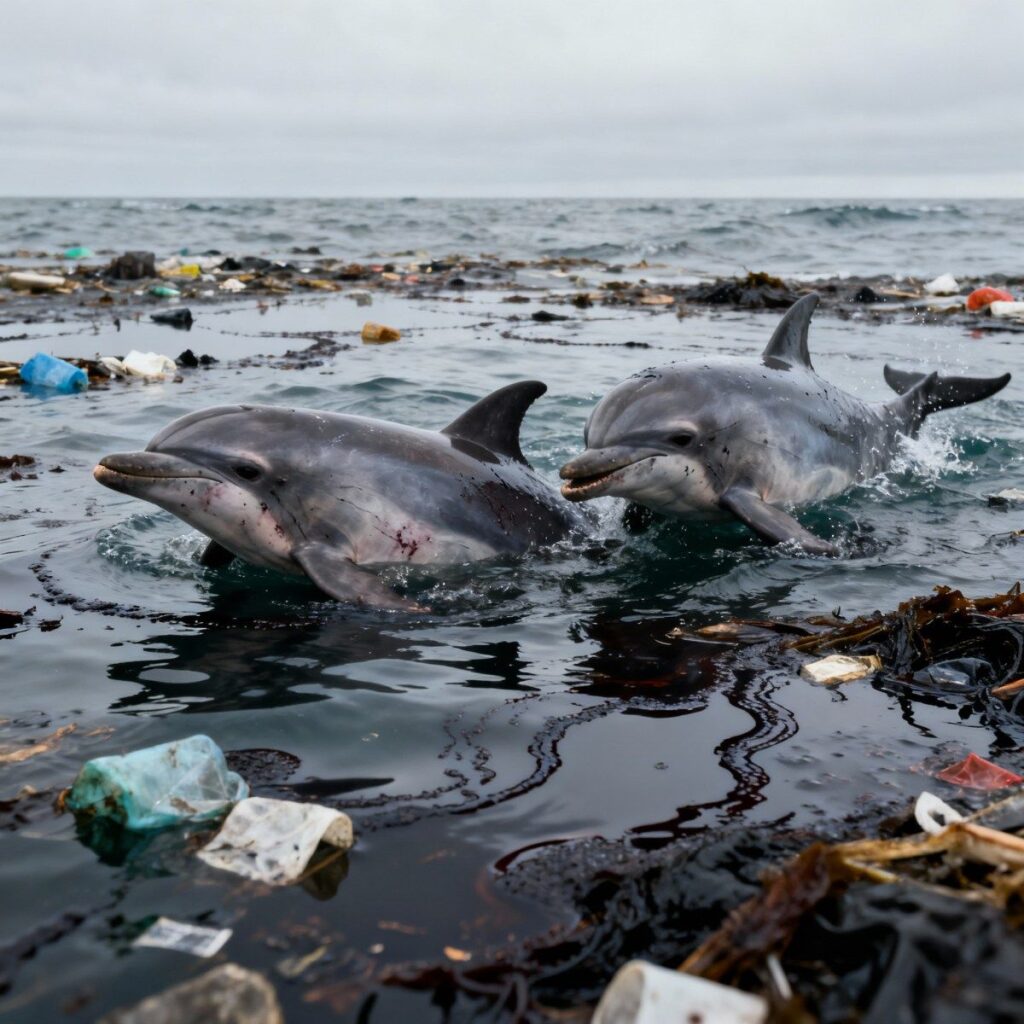
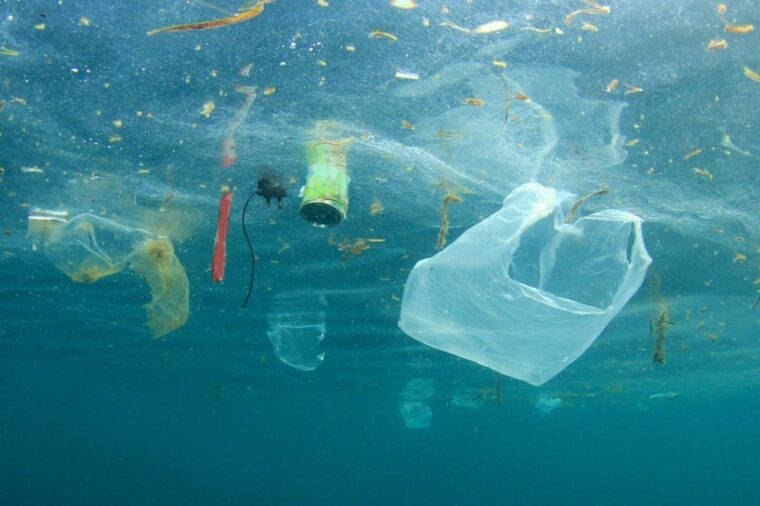
Everything we consume needs to be properly disposed of. If its not, it pollutes our envirnoment (1).Globally, 2 million tons of municpal waste are thrown away every year, this trash enters the envinronement and harshly impacts climate change, wildlife and world wide health. 62% of municpal waste ends up in control facilities, everything ends up in our envirnoment by being dumped, burned, or discarded. Only 19% of the trash collected gets recycled and 30% goes to sanitary landfils. However, the most common type of landfills are ones with an open dumping system. They have 40% of all waste globally. These landfils allow toxins to leak out of the trash and into the soil, groundwater, and nearby waterways, which in turn accelerates climate change. They also realse carbon dioxide and methane directly into the atmosphere. An estimated 10% of global methane emissions are come from landfills. On top of being terrible of climate change and green house gas emisions trash is killing wildlife. The worst is in aquatic environments where at least 1,500 different species having been found consuming plastic.(2)
When it comes to the issue of waste it isn’t just and environmental or spacial issue. It is an issue of equality and social justice. It harms already struggling marginalized communties and takes away ressources from important social programs. Overall it deepens world wide inequality. (1)
- health consequences
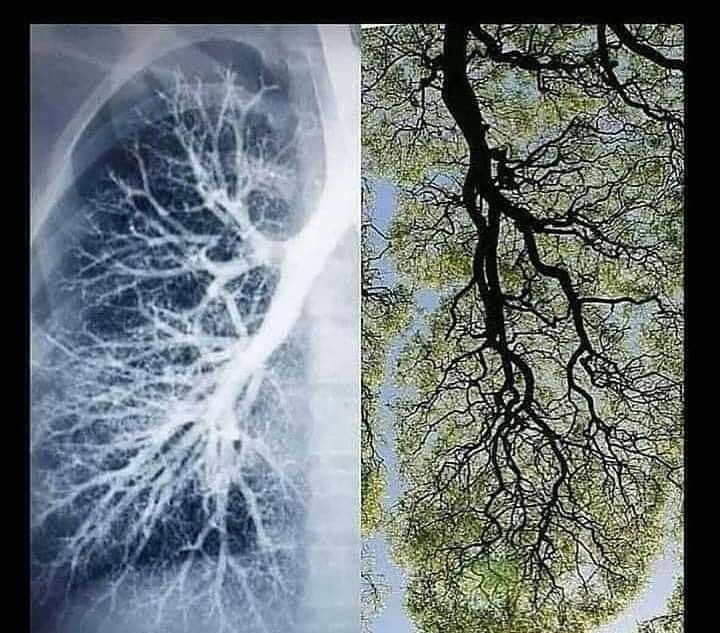
The plastics currenty on the market use over 1,000 chemicals that are classified endocrine-disrupting and even carcinogenic when being manufactured. They can cause cancers, infertility, Alzheimer’s, miscarriages, developmental issues, and more. (2) Locals who live near landfils face higher rates of respiratory disease and cancer. These chemicals leak into their water sources and other parts of the environment. (1) Badly managed waste also lead to diease, higher morbidity and mortality rates, as pests like rodents and insects spread illness. For example their are much higher case rates of tuberculosis in India near landfils.(3)
- inefficiency of resources and inequality
Overabundaces of wasted resources someplace mean shortages in another. There is overproducation and consumtion of food, water, and energy in wealthy countries while millions of families worldwide lack basic needs. One-third of all food produced is thrown away yet people still starve.Theres overuse of water for things we dont really need *cough cough AI* while many regions lack clean drinking water. Instead of redistributing this extra we let it get old and thrown away. Waste is just one part of a bigger issue caused by out of date and unpractical systems. These systems will contine to waste resources and worsen inequality if we dont do something about it. Waste management is expensive and not all communities have the money to invest in good waste diposal. These low-income communities are also where most landfils are put, forcing them to rely on inadequate, dangerous methods. Local residents of these communities often must pay more for worse trash services.(1) Communities in poverty have higher health care costs for waste-related illnesses. Inadequate waste disposal infrastructure can stump and even decrease economic growth by making areas unattractive for investment and tourism.(3)
All these consequences of waste hit poor communities the hardest causing world wide inequaltity to get worse.
Finding soultions
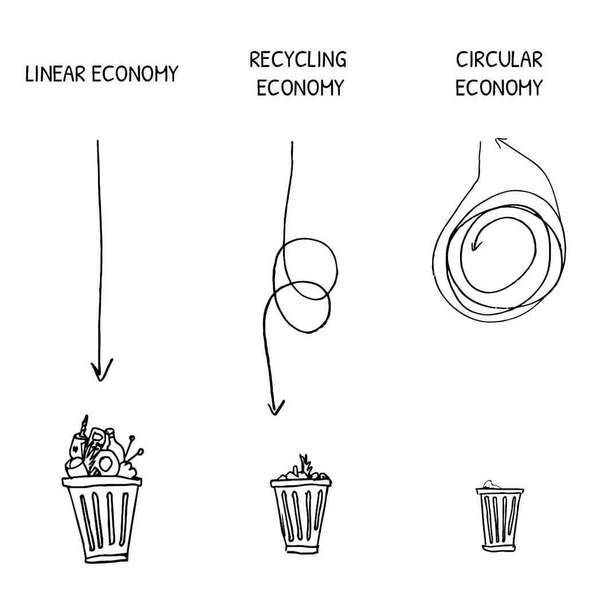
As I went over in my last post, our global economy is linear because of how its designed. We take, we make, we throw it away. Last time I found the five things wrong causing our system to be like this. They were: Consumers’ expectations, Government regulations, Improper infrastructure, Undeveloped recycling technology, and Incorrect business models. I went into detail what exactly was wrong with it and now Ill look at the possible soultions for each one. (4)
- Consumers’ Expectations & Consumerism
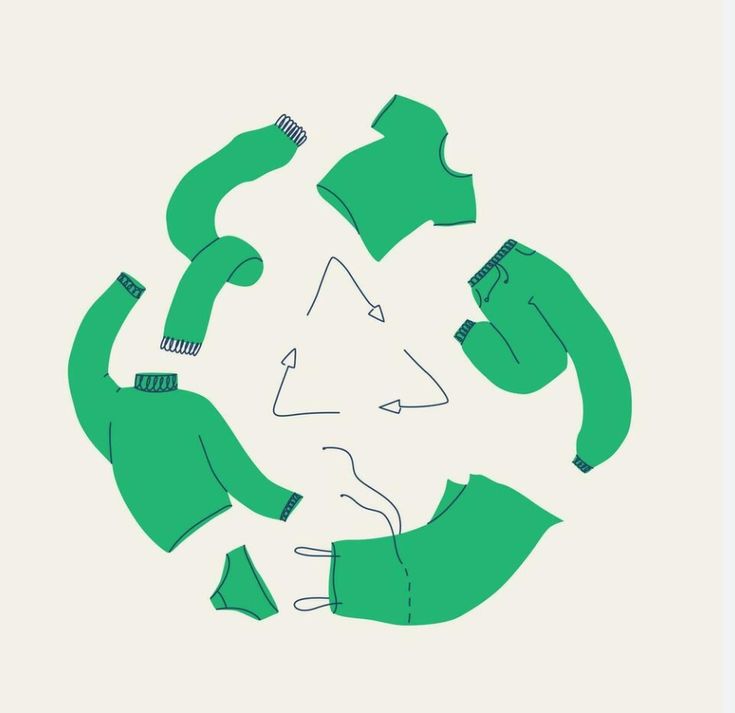
Consumers’ expectations & consumuption is the part of the issue that is actually in our hands and depends on us, every day consumers. So the solution to this problem is also up to us. Changing our attitudes, choices and habits is crutial to stopping waste caused by consumers. Not buying micro trends, not overconsuming products, thrifting, having standards on products wrapping. All these actions could have monumental impactes if everyone did it. Recognizing our choices and developing more sustainable habits, with colllective action supported by policies would fix this part of the issue. Changing our expectations would also help with the issues of inncorect bussiness models as companies are controled by the people who buy their products. It would be urged them to change.(5)
- Incorrect business models
To fix this companies need to design their products for circularity.(6) There are 5 main things that companies need to do to achieve a circular supply chain.
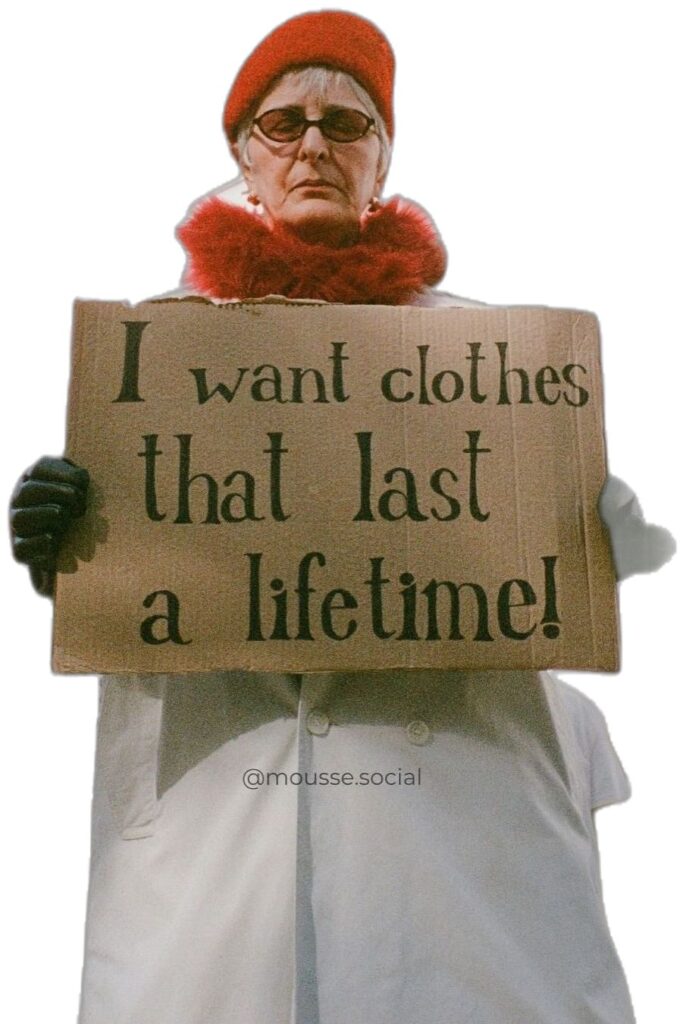
- Design their products for durability – Using materials and elements that keep their quality so their would be less need for replacements.
- Design for reuse and repair – Having systemes in place to make it easy to fix their products so they can be reused.
- Recyclable materials – Using materials that are easily recyclable so they can be repurposed.
- lifecycle assessment – Assessing the life cycle of their products so they know its envirnomental impact.
- Incentives for repair and remanufacturing – Reward system for customers who bring their products back for repair or remanufacturing.
If companies were to incorporate these 5 prinicipals when designing, manufacturing and selling their products, the amount of trash put out into our envirnoment would greatly lower. Building better systems wouldn’t only help the world but also their bussiness by recovering value and reducing dependence on finite resources.(7)
- Government regulations
Sometimes, laws and regulations unintentionally incentivize wasteful behavior. (6) This is constantly being reviewed and changed. Something we can do is bring it to the attention of the gouverment if we observe a law that allows for wasteful behaviour. The example I gave in my last post about the eggs in europe showing the expiration dates for storing in pantry instead of refrigerated was changed. It got extended for 21 to 28 days so now eggs can be kept and consumed for an extra week. (8)
- Improper infrastructure
To make their infrastructure less wasteful, countries need to plan and design sustainably. Incoporation strategies that minimize waste in early stages of infrastructure aswell as making new developments for infrastructure already in place would help. Countries and communities that have worse infrastructure, are often still developing and just dont have the resources to make it a priority. Funding these communties would not only help the locals but also the whole world because everyone is affected by the consequences of our global waste. (9)(6)(4)
- Undeveloped recycling technology
Our current recycling technology isn’t developped enough to combat the amount of plastic that is manufactured and consumed everyday. Like with any kind of technological development, it needs funds, resources and smart people interested in making new discovries. What we can do to push our future along that path is urge people in power and our gouverments to invest and fund new discovries and projects. (10) (6)(4)
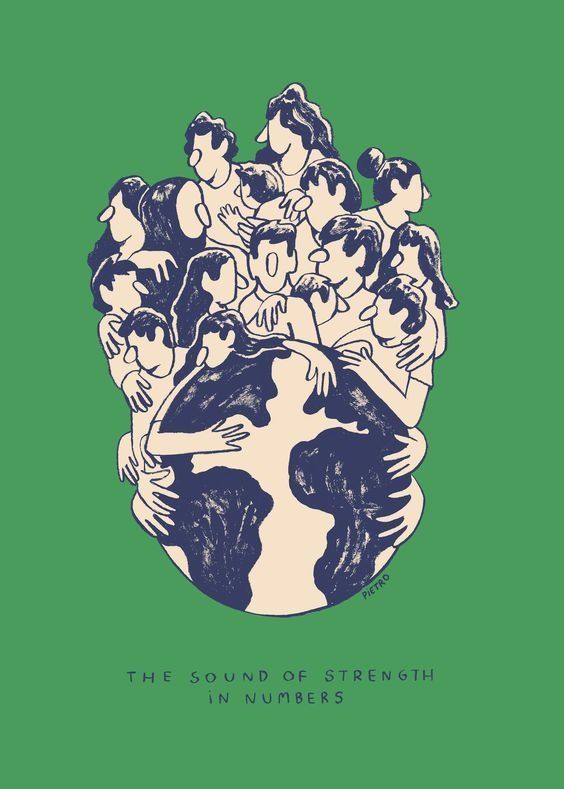
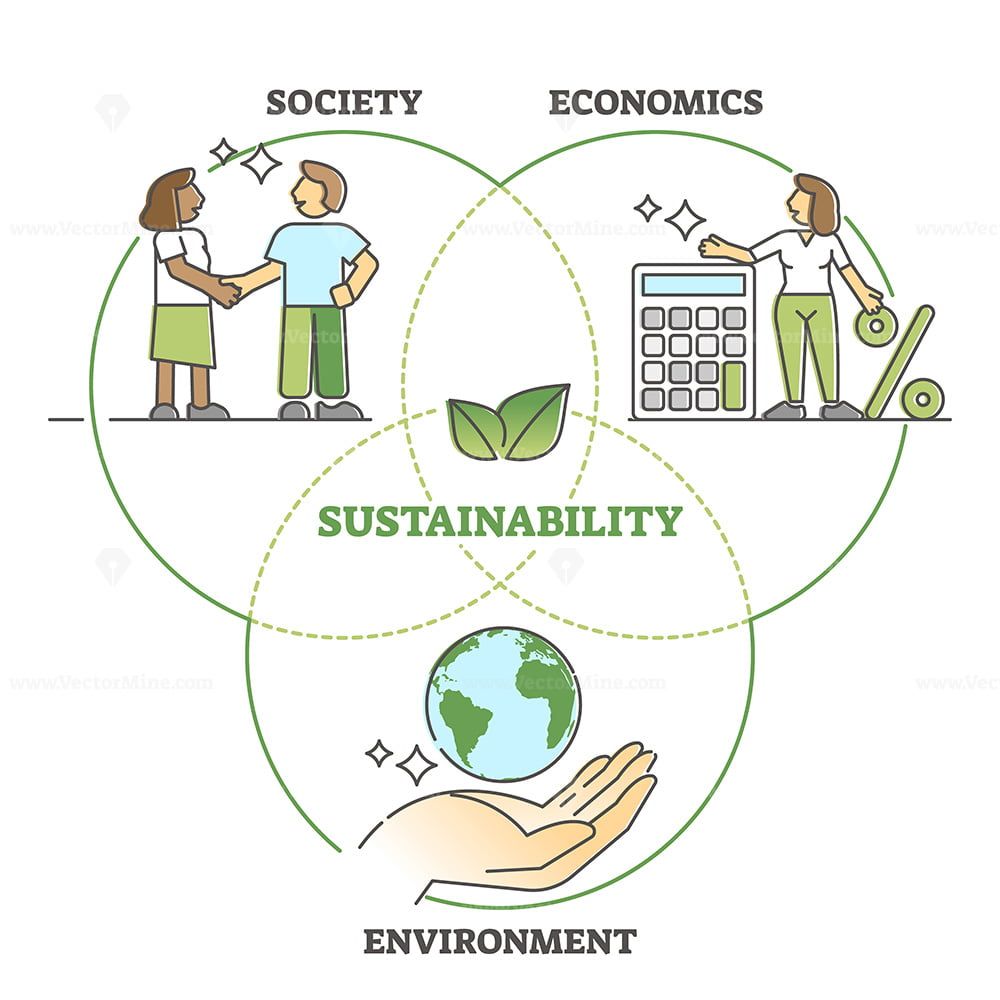
We also need to make sure that vulnerable communties are heard so we can design solutions where their health and jobs are assured. With innovative government policies, circular systems, developped infrastructure, better recycling technology and sustainable attitudes we can boost equality and slow climate change.
- How Waste Deepens Inequality and Undermines Social Justice – TOGETHER FOR SOCIAL JUSTICE
- How Our Trash Impacts the Environment – Earth Day
- The Relationship Between Waste Management and Poverty – The Borgen Project
- The Inequality of Waste – Post #4, what causes it and why? – Butterfly Effect
- Consumer Choices And Their Environmental Impact: A Comprehensive Analysis | ShunWaste
- Why do we waste so much stuff? | World Economic Forum
- What Is a Circular Supply Chain? Benefits, Definition & Model
- Fresh eggs, ‘sell-by date’ extended from 21 to 28 days in EU – FoodTimes
- Reduce Your Waste | Coquitlam, BC
- Recycling is failing as a way to reduce plastic. Here’s why | CBC News