
Solutions to Fast Fashion and How We Can Reduce Its Impact
Inquiry Question:
How does fast fashion impact the environment, and what can we do about it?
Round 3 Research: Sustainable Alternatives and Solutions
After exploring the environmental damage and human costs of fast fashion, it is important to focus on solutions. While fast fashion is a global problem, there are realistic actions that individuals, companies, and governments can take to reduce its impact on the environment and society.
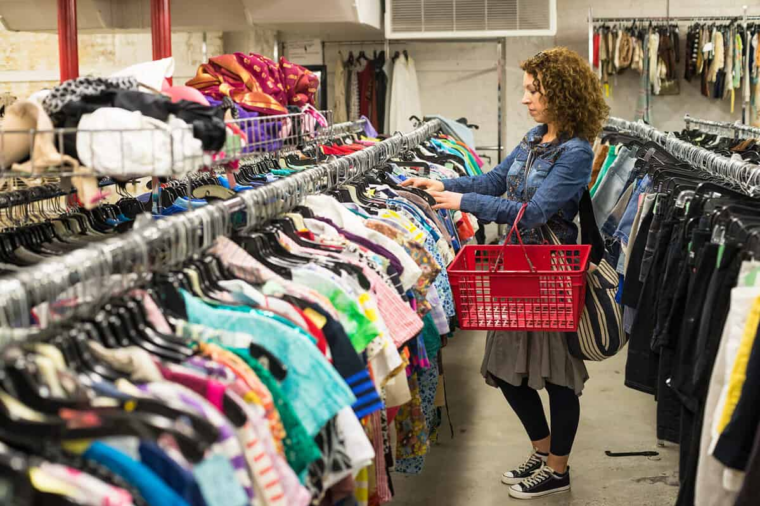
One of the most effective ways to reduce fast fashion’s harm is by changing consumer behavior. Buying fewer clothes and choosing higher-quality items that last longer can reduce textile waste by a lot. Studies show that extending the life of clothing by just nine months can reduce its carbon, water, and waste footprint by up to 30 percent (1). Shopping second-hand at thrift stores or online resale platforms also helps keep clothing in use and out of landfills while lowering the demand for new production.
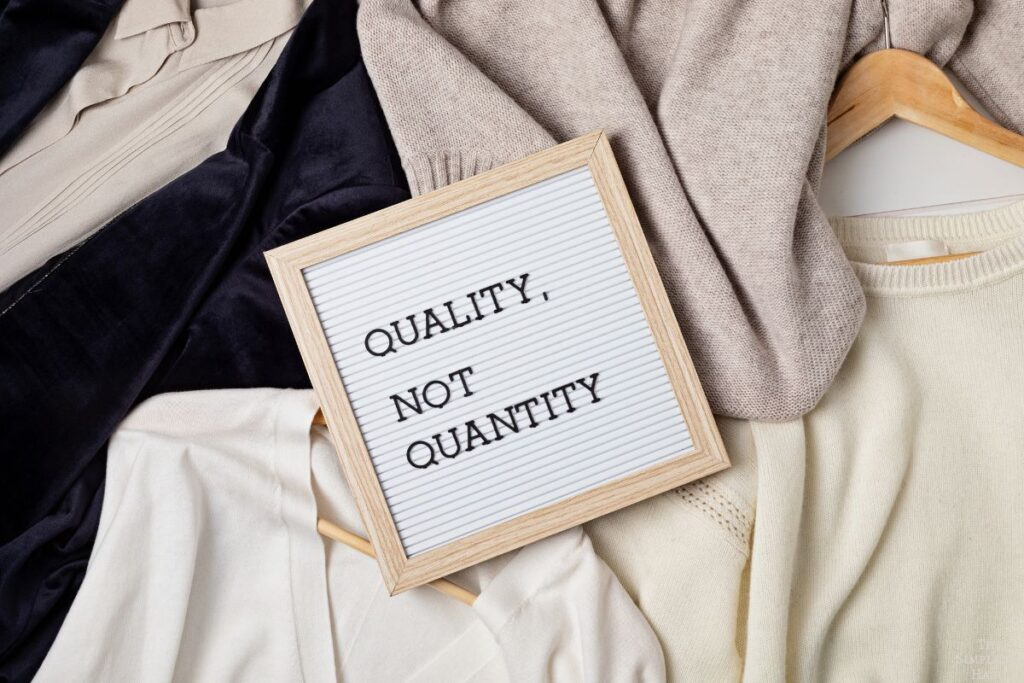
This image represents choosing fewer, higher-quality clothes instead of buying large amounts of fast fashion.
Another solution is supporting sustainable and ethical fashion brands. Some companies are beginning to use eco-friendly materials such as organic cotton, recycled polyester, and plant-based fabrics. These materials require less water and energy to produce and create less pollution. Sustainable brands also focus on fair wages and safe working conditions for garment workers. While these clothes can be more expensive, the higher price shows what it actually costs to pay workers fairly and protect the environment (2).
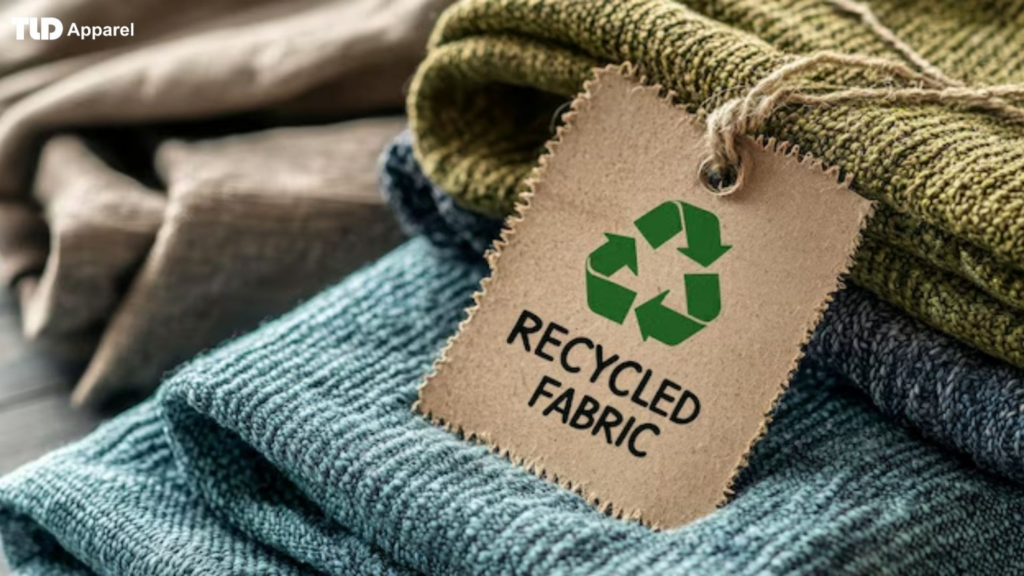
This image shows how using recycled materials in clothing can reduce waste and limit the need for new resources.
Recycling and clothing repair are also important parts of reducing fast fashion waste. Many people throw away clothes because of small damages like missing buttons or small tears. Learning basic sewing skills or using repair services can help clothes last longer. Some brands and communities now offer clothing recycling programs that turn old textiles into insulation, cleaning cloths, or new fibers. Although textile recycling is still limited, it is a growing solution that can help reduce landfill waste (3).
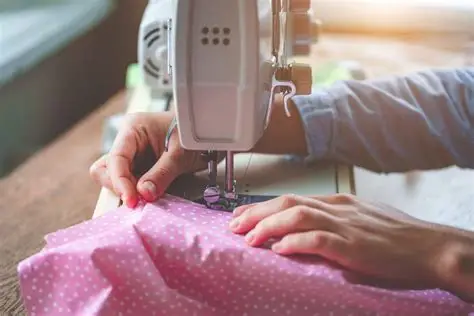
Photo: Repairing clothes instead of replacing them reduces textile waste.
Governments and policies also play a role in solving fast fashion’s impact. Environmental organizations have suggested stricter regulations on water pollution, chemical use, and carbon emissions in the fashion industry. Some countries are starting to make laws that make companies responsible for the full life cycle of their products, including disposal and recycling. These policies encourage brands to design clothes that last longer and are easier to recycle (4).
Overall, reducing the impact of fast fashion requires effort at every level. Consumers can shop more thoughtfully, companies can use more environmentally friendly methods and governments can enforce environmental protections. When these solutions work together, the fashion industry can move toward a system that respects both the planet and the people involved in making our clothes.
Thank you for reading my inquiry project and following along with my research!
Sources
- Ellen MacArthur Foundation. A New Textiles Economy: Redesigning Fashion’s Future
https://ellenmacarthurfoundation.org - Earth.Org. Fast Fashion and Its Environmental Impact
https://earth.org - United Nations Environment Programme (UNEP). Sustainability and Circular Fashion
https://www.unep.org - European Parliament – The impact of textile production and waste on the environment
https://www.europarl.europa.eu/news/en/headlines/society/20201208STO93327/the-impact-of-textile-production-and-waste-on-the-environment
Hi Andrea! Great focus on real solutions to fast fashion! I really liked your ideas about shopping second-hand and repairing clothes. I think those are easy changes anyone can try. A helpful website with tips and sustainable brands is Good On You (goodonyou.eco) it rates fashion brands based on ethics and environmental impact which could really help! Overall very good job!
Elizabeth