Hello everyone! Glad to see you all back on my blog for post #5! Today, we will be sharing and conversing about sexual violence, and how it is portrayed in the media. When have we seen it, who does it affect, and what solutions can we come up with today to put an end to prolonged trauma?
Where Have I Seen Sexual Violence In The Media?
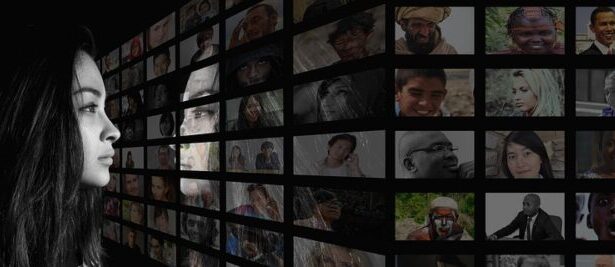
To understand how sexual violence affects young minds in the media, we first have to grasp the concept of media literacy. Media literacy is the awareness that images, social media, movies, and other forms of media are creations which have subtext and messages attached to them.
In Fiji, for example, robust, healthy bodies were promoted to young girls as a sign of femininity and fertility, which many girls aspired to be. However, in 1990, when researcher Anne E. Becker arrived in Fiji after the invention of the television for household use, she found that many young girls had begun dieting, and slimming themselves down to fit the patriarchal image of ‘the American dreamboat.’ The constant pressure from Western media promoted underprepared families dealing with daughters disordered eating after Hollywood movies starring Audrey Hepburn, Miley Cyrus, and Selena Gomes promoted slim and trim body types.
But it’s not only women who are affected by the abuse of media coverage to this day; minorities and men also feel social normalcy impacts everyday…
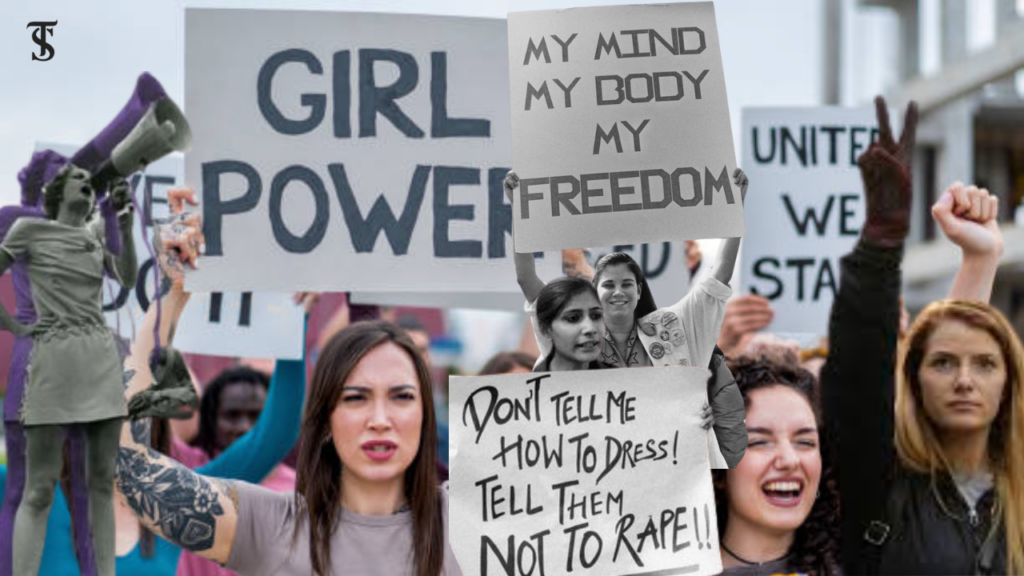
Who Does Patriarchy In The Media Affect?
A shocking statistic from the Colours of Change organization found that 59% of impoverished families on the silver screens were portrayed as Black, while in reality, 66% of all those living in poverty in the US are White. Harmful stereotypes don’t only affect adults who perceive people different based on the colour of their skin, but young, impressionable minds who look to the media for guidance.
Studies show that men exposed to violent (and even non-violent) pornography show undesirable changes in attitude, endorsing ‘rape myths’ that perpetuate women’s abuse across the globe. They recommend less severe punishment for the defendant in a hypothetical rape trial, suggesting that they find rape to be a lesser evil than most felonies. At most, psychologists found pornography plays a minor role in sexual assault once alternative explanations have been removed.
But explicit images can’t have that terrible of an effect on someone’s psyche, can it? Let’s take a look at some more examples…
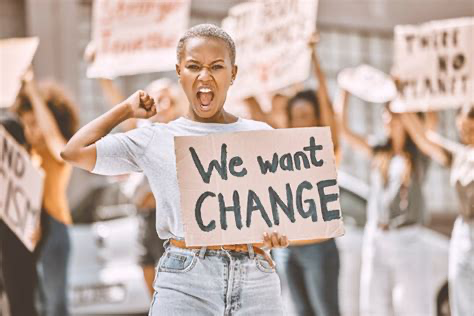
Sexual Violence In The Media; Who Are We Protecting?
Sexual violence isn’t meant to protect anyone. It’s a debilitating form of abuse that needs to be taken as it is: a crime with no other motive than to cause harm, physically and mentally.
Victim Blaming is term thrown around casually nowadays, when in reality, it’s a word used to describe those who have been perceived differently after or during their sexual assault, leading to prolonged metal trauma and stigma. Many social communities protect abusers by claiming the victim has lied about their abuse, or has interpreted the situation incorrectly, when in fact according to CONNSACS, only 2% of reported rapes are false. This is the same rate of false reporting as other major crime reports, proving that rape IS a major crime.
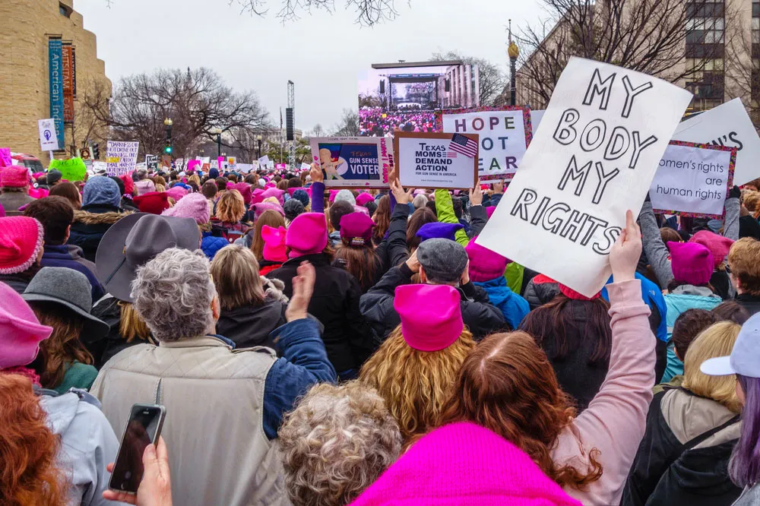
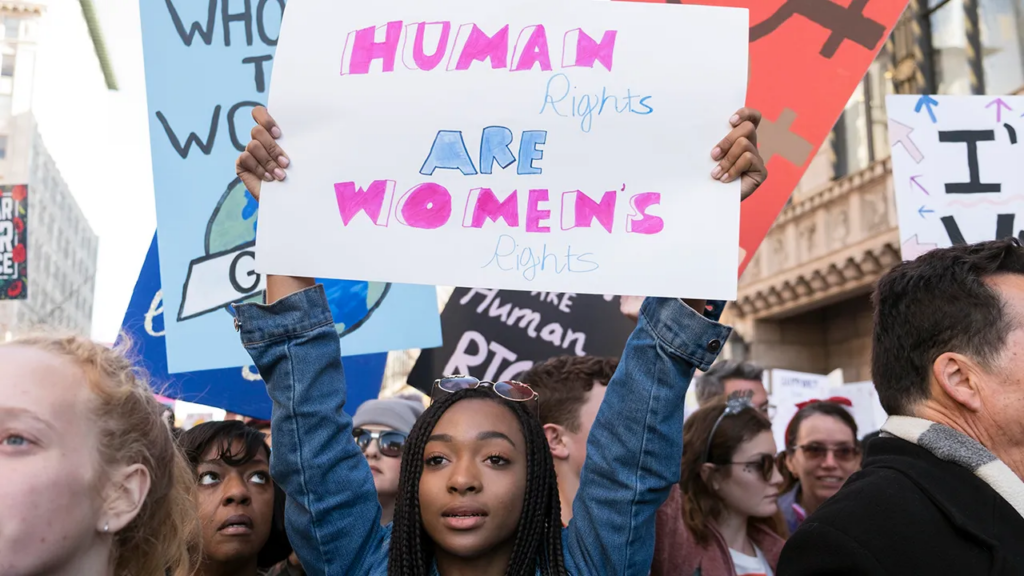
This has dealt a major blow to women’s rights activists everywhere, especially with the current state of women’s and sexual assault victims’ rights today. As a society, we need to come together, and discontinue the cycle of abuse that has traumatized generations before us, and protect not those who abuse now, but those who will come not our future seeking refuge in today’s world.
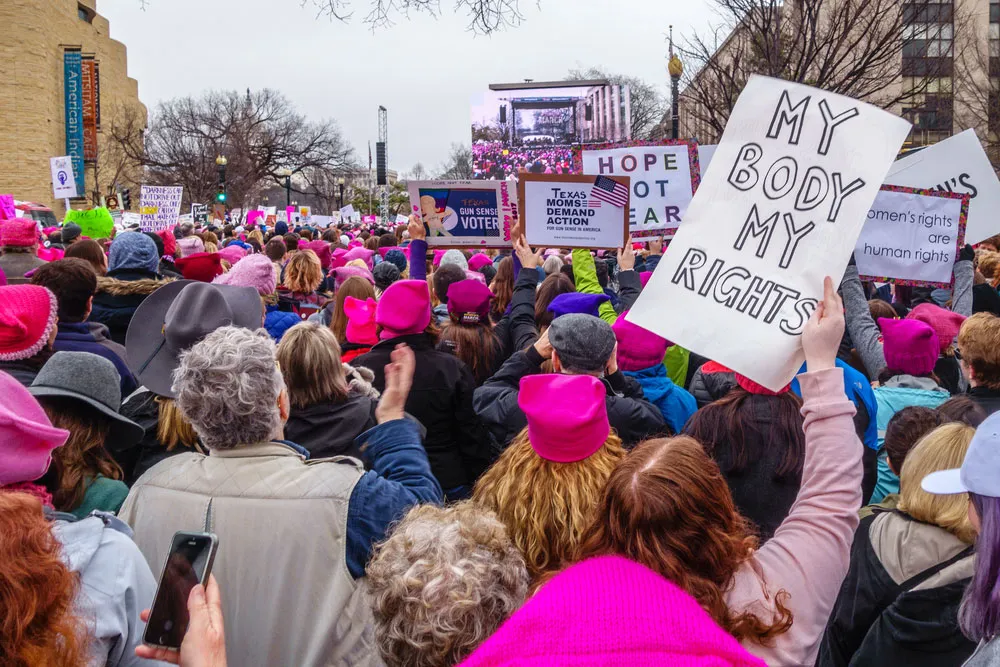
Solution: Is There An End In Sight?
We live by the stories we tell, and we have every right to demand that those stories be told with care, accuracy, and justice. Media today, while making an effort to approach delicate situations with more finesse than previous years, seem to carry trauma in the Hollywood Halls of Fame like a echoed scream for help.
Today, women’s networks like The Tyee, have published articles that bring light to overlooked prospects, like from January 2025, The Tyee published an account by Angela Marie MacDougall, the executive director of Battered Women’s Support Services Association in Vancouver that drew attention to intimate partner violence as a public health issue. While this is remarkable, we need more.
We as a society, need to come together to protect those who are the most vulnerable in our communities, and heal those who have been burned by the flames of our ignorance.
Thank you for reading this blog post, and I hope to see you again for the celebration of learning next week! See you next time!
Bibliography
1.
NSVRC. What is the connection between Media, Sexual Violence, and Systems of Oppression? – National Sexual Violence Resource Center (NSVRC) [Internet]. National Sexual Violence Resource Center (NSVRC). 2025. Available from: https://nsvrc.org/blog_post/what-connection-between-media-and-sexual-violence-and-systems-oppression/
2.
Lourd K. S. Violence and sexuality in the media | EBSCO [Internet]. EBSCO Information Services, Inc. | www.ebsco.com. 2023. Available from: https://www.ebsco.com/research-starters/communication-and-mass-media/violence-and-sexuality-media
3.
Maude L. Media and sexual violence prevention | INSPQ [Internet]. Institut national de santé publique du Québec. 2024. Available from: https://www.inspq.qc.ca/en/sexual-violence/media/prevention
4.
Perspectives Journal. The Stories We Tell: How Media Coverage of Sexual Violence Can Perpetuate Harm | Perspectives Journal [Internet]. Perspectives Journal. 2025. Available from: https://perspectivesjournal.ca/media-coverage-gender-based-violence/
5.
Anderson KM, Macler A, Bergenfeld I, Quach Thu Trang, Yount KM. The Media and Sexual Violence Among Adolescents: Findings from a Qualitative Study of Educators Across Vietnam. Archives of sexual behavior. 2024 May 10;
6.
Tuğçe Ellialti-Köse, Falkenstein S. Sexual Violence in Canadian News Media: Feminist Possibilities and Challenges in the Era of #MeToo. Canadian Journal of Media Studies [Internet]. 2025 [cited 2026 Feb 12];20(1):1–43. Available from: https://uottawa.scholarsportal.info/ottawa/index.php/CJMS-RCEM/article/view/7687
7.
Inside Southern. Rape Culture, Victim Blaming, and the Facts [Internet]. Southernct.edu. Southern Connecticut State University; 2022. Available from: https://inside.southernct.edu/sexual-misconduct/facts
8.
Andrews K, Jaffer S, Shariff S. Powerful yet Disempowered: A Thematic Literature Review Exploring the Challenges of Media Reporting on Sexual Violence. Journal of Communication Inquiry. 2025 Jun 11;