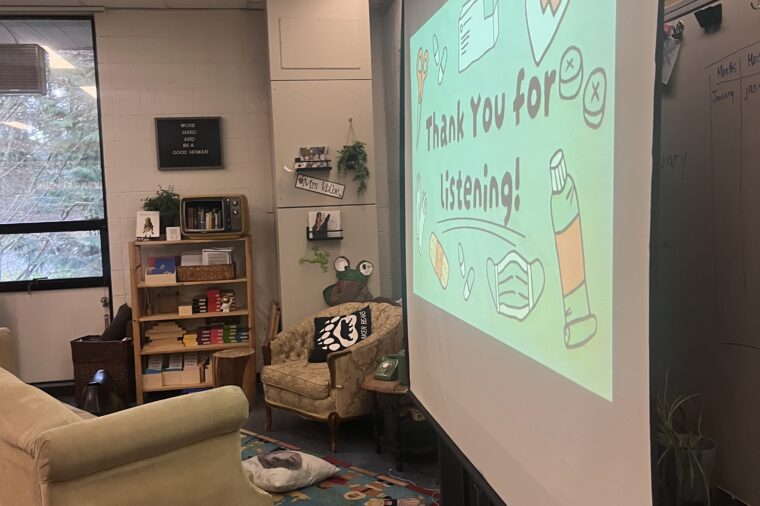
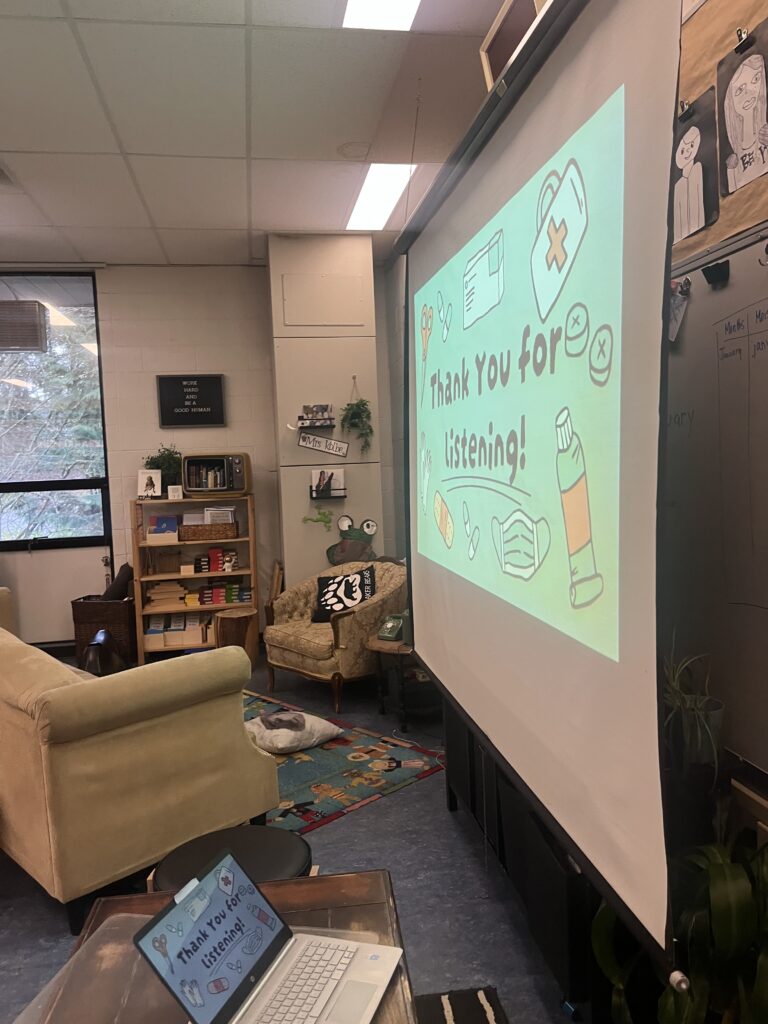
Over the past few weeks, our project teaching first aid and safety to elementary school students has been going really well. We’ve now completed two full presentations, and both experiences were so rewarding. We got to interact with kids from different age groups and hear their thoughts on what “safety” means to them. Their answers gave us a great starting point to build on and helped us adjust our explanations to their level of understanding.
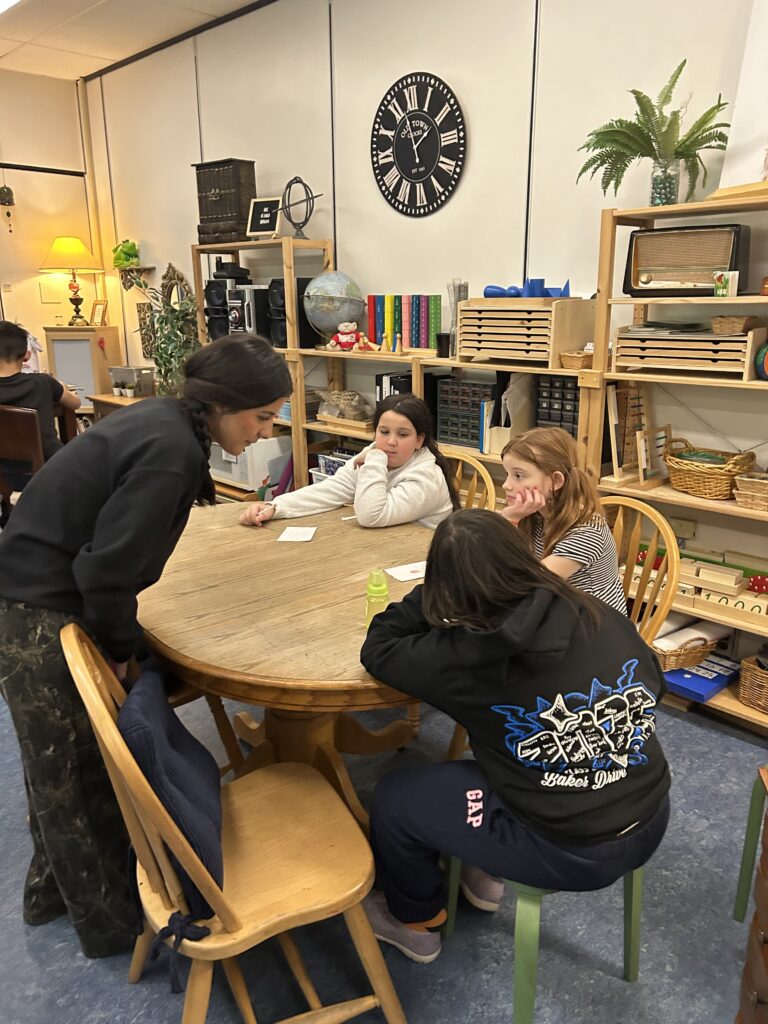
So far, our team has been hands-on every step of the way. We created interactive slides, rehearsed our demonstrations, and made sure our sessions were fun and easy to follow. Presenting to children of different ages helped us learn to adapt our approach younger students needed more visuals and stories, while older ones enjoyed learning some real first aid basics.
Successes
One of our biggest successes has been building trust and strong communication with the teachers we worked with. They were incredibly kind and flexible, making it easier for us to coordinate times that worked for everyone. Meeting teachers in person beforehand helped ensure everything ran smoothly. This step showed just how important teamwork and clear communication are in real-world projects.
Challenges and Lessons Learned
Of course, there were challenges along the way. Finding teachers willing to make space in their busy schedules wasn’t always easy. After all, they had to trust a group of teenagers to teach their classes and also fit us into an already full academic day. Another challenge was scheduling balancing our presentation times with our own class schedules was tricky. Sometimes the only available time conflicted with one of our academic classes, but we learned to stay flexible and open-minded. Through this experience, I realized that rejection isn’t failure it’s redirection. When one opportunity didn’t work out, we looked for another, and that mindset made our project much stronger.
Next, we hope to go back and do more presentations, especially since the sessions were so much fun and genuinely engaging. Teaching safety to kids felt meaningful, and we’d love to reach even more classrooms if possible.
According to the Next Generation Learning Challenge article “Real-World Projects Challenge Students and Teachers” (NGLC, n.d.), hands-on projects help students develop key problem-solving and communication skills by tackling authentic challenges. This idea directly connects to our project, since coordinating school visits and building trust with teachers mirrored the kind of real-world collaboration discussed in the article. We experienced firsthand how project-based learning builds flexibility, teamwork, and confidence just like in the examples shared by NGLC.
Additionally, our presentation was inspired by the YouTube video First Aid for Kids, which showed how dynamic and eye-catching visuals can make safety education more engaging for younger audiences. We tried to bring that same energy to our own lessons to keep students interested and excited about learning these important skills.
References list
Real-World Problem-Solving Projects for Students & Teachers | NGLC
thank you for reading my blog post!