
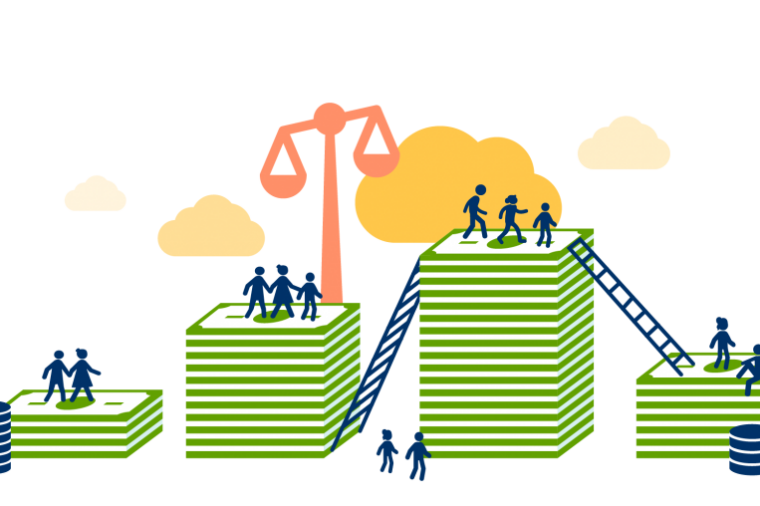
This is my third and final round of reasearch concerning my above inquiry question. In this post is the information I found notable when resarching the third step of my three step reasearch plan. I found the points I cover in this post very beneficial and informative about the role that socio-economic staus plays in children’s and families lives, and how a child’s childhood and quality of life can be altered, positively or negatively, beacuase of that factor. Now, let me show you what I have found:
Step 3: Research the general socio-economic status of families in different countries.
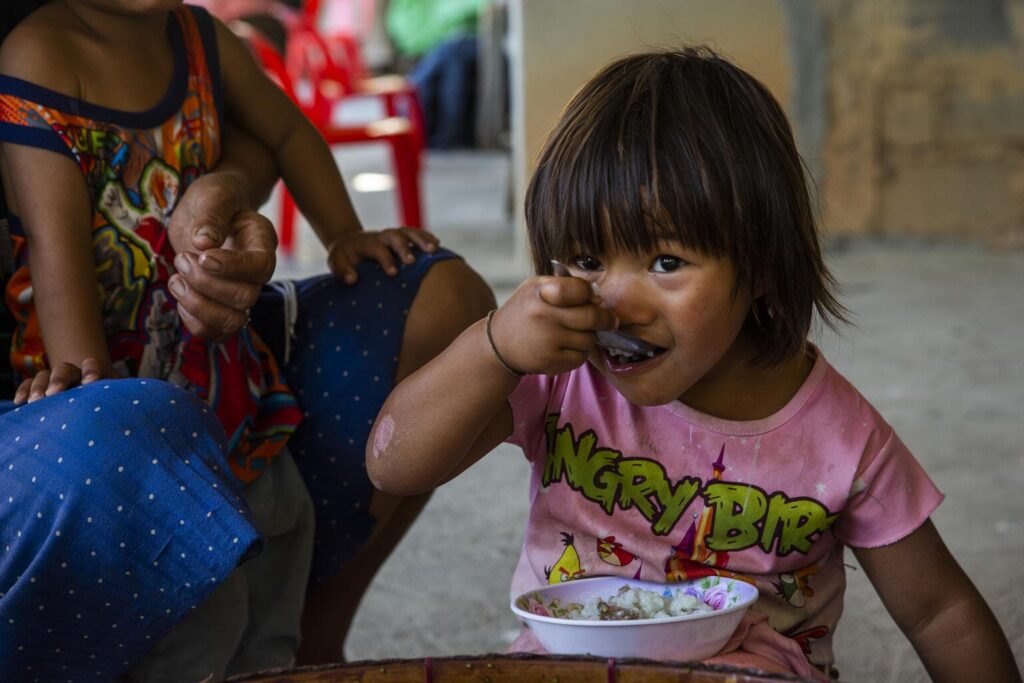
Socio-economic status has noticeable effects on children as they grow up. It also very much varies by country, and can affect many different aspects of life, for example, nurition; a key factor in proper child development. In developping countries, intrauterine growth restriction (when a fetus does not grow as expected for its gestational age) is more prevalent because of poor maternal nutrition and infections (2). In Guatemala, term low-birthweight infants had lower cognitive scores when they reached 2 to 3 years old, and in Jamaica, they had worse problem solving ability at 7 months and lower developmental levels at 15 to 24 months than infants with normal birthweight (2). In terms of childhood malnurition, according to UNICEF, WHO and World Bank Group 2020 report, around 144 million children under the age of five suffer from stunting globally, South Africa has reported the rise of 100 000 stunted under-5 years children. Stunting is mostly irreversible and is detrimental to a child’s physical and congnitive development (3). Based on a WHO report from 2020, 14.3 million of the 47.0 million wasted children worldwide under the age of five can be considered severe, one-third of them live in Africa (4). Wasting is a serious undernurition status that usually indicates notable, severe weight loss because of unavailability of enough food and infectious diseases. Bad wasting episodes weaken a childs immunity, making them more likely to have developmental delays and even increases the likelyhood of death (3) (2).
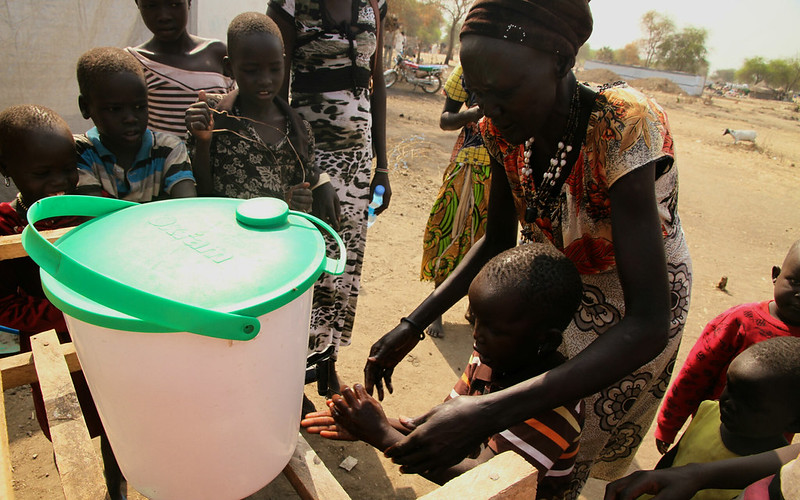
Next, infectious diseases. Depending on what country a child is raised in, and their families socio-economic status, they might be more at risk for catching serious infectious diseases. For HIV/AIDS, about 1.4 million children from the ages of 0-14 live with HIV, most aquired from thier mothers during pregnancy (5). Antiretroviral therapy prevents the transmission of HIV from mothers to babies, but not everyone is able to get that care. In the Middle East and Noth Africa, only 21% of pregnant women have access to the treatment, meanwile there was no cases of vertical transmission (the transmission of HIV/AIDS during pregnancy, birth or breastfeeding) to be recorded in Spain during 2020 because of antiretroviral therapy and clinical monitoring (6). Infection of HIV/AIDS in infancy can lead to severe developpemental delays, such as language (2). Diarrhoeal disease is the third leading cause of childhood illness and death in developping countries, from 1-59 months of age. Many low-income countries do not have adequate drinking water, making diarrhoeal problems prevealent since they result from contamianted food or water, and poor hygiene (7). Nearly 1.7 billion cases of diarrhoea among children are noted each year, South Sudan and Liberia having some of the hiest rates in the world. Higher income countries with more advanced healthcare systems clearly report much lower case numbers (7) (8).
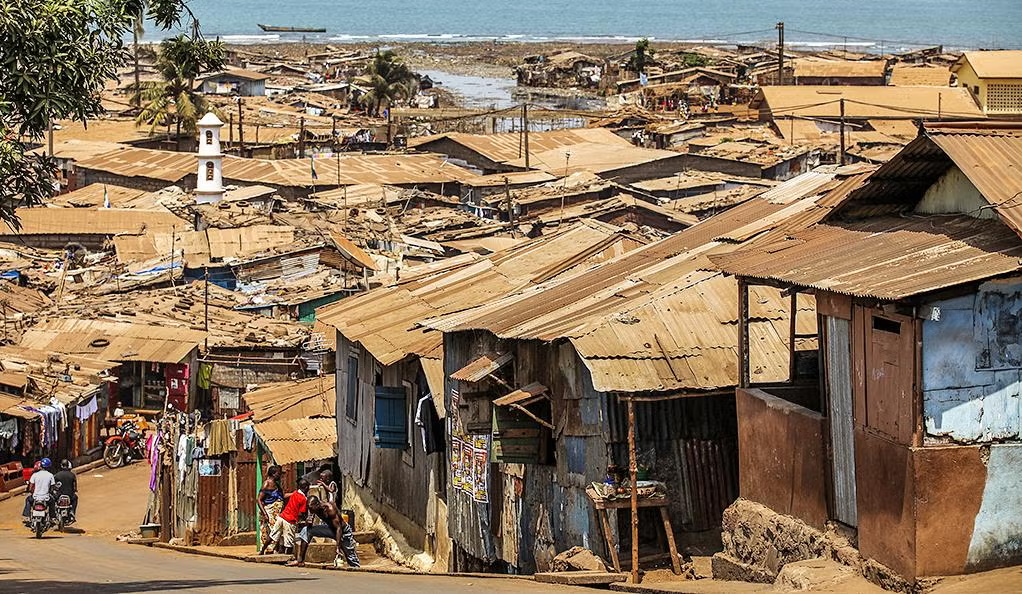
Finally, I will be exploring living conditions. Quite presumably, higher income countries would have more citizens and children with nicer houses and better living conditions, but I really wanted to explore the differences. In the richer nations of the world, there is more of a correlation between house size and household (amount of people living inside the house) size (9). In countries like the UK and Italy, houses are smaller, and house hold sizes seen to follow suit. In places like Australia and the Us where houses are bigger, there also tends to be more people living under one roof. In lower income countries, the correlation becomes opposite (9). There is a noticeable link between big household size and poverty, despite having smaller houses than western countries. In India, there is on average 5.3 people in each household, but it’s also the nation close to the most people living in poverty (9). A study from Cornell showed that household crowding can be negative towards children, making them get into more conflicts with parents, and affecting their school performance (10). Living in crowded accomodation can also cause mental illness, like stress, anxiety and depression. The vast majority of severely crowded children live in economically underdevelopped and poverty stricken countries (9) (10). There is also the problem of pollution around the world. It is the poor who are most afected by air pollution (1). The harmful particulates and gases relased into the air caused 7 million deaths in 2016 according to the WHO. In Kenya, there is a huge smoldering dumpsite in Dandora which is places right near schools, shops and buissnesses, terrible for the people and children to be breathing in that air (1). Breathing in this contaminated air poses a real risk to children, who can become more likely to developping asthma, brochitis or other breathing problems.
Sources:
- https://www.unep.org/news-and-stories/story/air-pollution-hurts-poorest-most
- https://www.thelancet.com/journals/lancet/article/PIIS0140-6736(07)60076-2/fulltext?cc=y%3D
- https://pmc.ncbi.nlm.nih.gov/articles/PMC8517826/
- https://www.thelancet.com/journals/lancet/article/PIIS0140-6736(19)32540-1/fulltext?amp=1
- https://www.who.int/news-room/facts-in-pictures/detail/hiv-aids
- https://www.irsicaixa.es/en/being-born-hiv-very-different-probability-around-world
- https://www.who.int/en/news-room/fact-sheets/detail/diarrhoeal-disease
- https://www.frontiersin.org/journals/pediatrics/articles/10.3389/fped.2025.1610407/full
- https://www.climadoor.co.uk/blog/home-living-conditions-around-world-infographic/
- https://news.cornell.edu/stories/1998/12/crowded-children-have-more-problems?utm_source=chatgpt.com
The research I did in this above post really taught me about just how much the socio-econimic status and wealth of the country you are raised in can affect your probablility of developping certain illnesses, or experiencing certain living conditions. This inquiry really opened my eyes to how different countries can be, and how different your life could look if you weren’t born where you were.
Thank you for reading my blog posts! I had so much fun and I learned so much from doing this inquiry, and I hope you learned something too.
Hello Kihara! I have gone through your post, and I have learnt that social economic status much varies by country, and can affect many different aspects of life, for example, nutrition, a key factor in proper child development. For this reason, the government has to provide support to them mostly financially which will enable the poor and the widow get good nutritive meals. There is also the problem of pollution around the world. It is the poor who are most affected by air pollution. The harmful particulates and gases released into the air affect mostly their health hence they have to conserve their environment: disposing waste materials in their respective places. Lastly, I have a couple of links that will enable you to research on your inquiry.
1.https://storychanges.com/what-impact-does-a-child-s-upbringing-have-on-their-development.html
2.https://misspoppins.io/articles/how-culture-affects-child-development.