

Happiness is subjective. Not everyone gets the same amount of joy from everything. We all have different choices, preferences, and ideas of a good time. But as everyone knows, the world revolves around money. Meaning money and financial coverage can play a huge role in someone’s mental health. But does money really make everyone happy? Or is money something that helps us feel happy for a limited time? That’s why today I want to research how long happiness really lasts when your main source of joy is financial wealth?
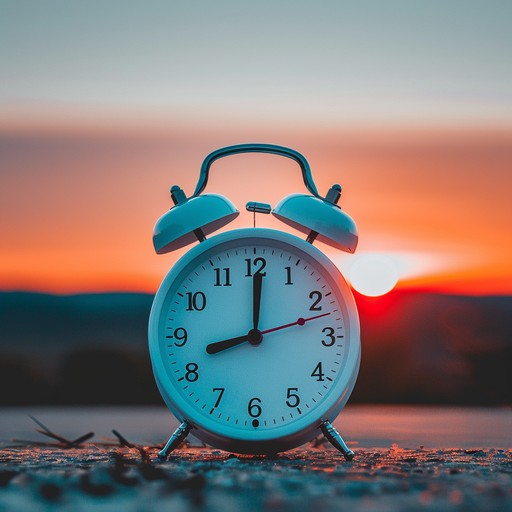
To really go into more detail about this project, we must learn the value of money and how it is created. Money comes from hard work, usually worth hours of our time, every day. Money is not easily obtained. (1) To work in jobs around society, you must complete school, which usually takes up about more than 20 years of our lives. While there are other jobs, usually built around one’s strength, physical jobs are only suited for a minority of our community.

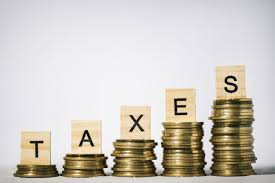
Now that we know financial wealth isn’t something easily achievable, we can research how we can spend our money. In the great 2026, inflation and taxes are skyrocketing, making the worth of our financial wealth go down. (2)To utilize our money, we must pay for the essentials first, such as food, rent, and clothing. By also putting money in a savings account for the future, we can see how difficult it actually is to reasonably spend money. This is without our extra shopping. So, even once we have the required financial stability, there aren’t a lot of opportunities for us to enjoy our extra hard-earned cash.
Even after we have spent our money on the essentials, how long does the extra stuff we buy last? How long will we be happy with the new console we got? How long will we still remember the excitement we felt in the crowds of a concert? How long would that one-week vacation that we saved up for last in our hearts? These are all important questions to ask, as if we work most of our lives for money, just for our joy to last a certain amount of time, is it really worth it? (3) Our happiness lasts for different amounts of time, just like our preferences. Some people tend to hold onto the happiness of the money that they earn and spend for longer.
As we have learnt from our research, earning money is a difficult task in the first place. Then learning how to wisely spend it will make your opportunity even less. But we also learnt that the amount of time that we still hold that happiness for is different for all of us. But at the end of the day, life is too short for wasting the chances you have to make yourself happy. Money doesn’t really bring happiness. And it certainly can not buy it; however, it can definitely rent it.
Money buys happiness in different ways depending on where you live
https://kids.britannica.com/students/article/money/275898
https://www.rba.gov.au/education/resources/explainers/what-is-money.html?
Hi Kian! Right off the bat, your title piqued my interest, so I thought that was well done on your part. I really enjoyed how you started from the beginning to future concerns people may develop as an adult, which are things that us high-schoolers never really consider while growing up. Here’s a link to a website that talks about other ways than having money to be happy!:https://www.healthline.com/health/how-to-be-happy#weekly. Your blog is very visually appeasing, and I look forward to your presentation on Friday!
Hi Kian! Right away, your question grabbed my attention and I liked how you explained your thinking step by step, especially when you talked about how hard money is to earn and how long happiness from purchases really lasts. One thing that could make your post even better is adding a study or statistic to support your points. For example, the https://www.adultdevelopmentstudy.org/ talks about what actually leads to long term happiness. Overall, your blog was thoughtful and easy to follow, and I’m excited to hear more about it in your presentation!
Hello Kian,
I found your blog post captivating! I like how you mentioned how money may be something that just keeps us happy for a limited amount of time; a concept that is short-lived. Additionally, incorporating the topic of taxes and inflation was clever, especially in this day and age where the cost of living has indeed skyrocketed. I love the visual aspects you have included within this post as it made the blog easy to follow, with pictures illustrating the various elements introduced. One recommendation I would make to further improve your work is by incorporating a few particular details regarding the correlation between money and happiness; perhaps a study that enhances your overall findings. Otherwise, your work looks polished, in an organized manner. Looking forward to your upcoming Presentation of Learning! I’m sure the future projects are going to be exceptional!
–Vanessa Vukovic
Hello Kian, I hope that you are fine. I am really captivated reading your blog post question which has really encouraged me. I really appreciate you on how you have just said that money may be something that just keeps us happy for a period of time. May. you continue inspiring as many people as possible
Hey Kian,
This is a really thoughtful post, and I like how you question whether money brings lasting happiness or just temporary joy. Your examples make it relatable, and I found your idea that money can “rent” happiness especially strong.
To improve, next time you could deepen your analysis and research directly about money and happiness. For example, a study by Daniel Kahneman and Angus Deaton (https://pubmed.ncbi.nlm.nih.gov/20823223/) found that happiness increases with income only up to a certain point. Adding evidence like that would make your argument even stronger.
Overall, awesome post!