
Hi everyone! Welcome to my fifth and final blog post for my research. If you have not read any of my previous posts, I am doing an inquiry project with the question “Should there be limits to freedom of speech?” In this post, I am going to be doing my third round of research on how social media has changed the conversation about free speech.
Today, social media platforms like Instagram, TikTok, and X allow people to share opinions instantly. This has changed how free speech works in everyday life (1). Even though many social media platforms censors content and tell you what kind of content you are and not allowed to post, does not mean social media has not affected how free speech is viewed and used today. Social media has drastically changed how free speech is expressed.
Pros (1)
- Share experiences
- Form communities
- Amplify the voices of extremely limited people
Cons (1)
- Misinformation
- Hate speech
- Echo chambers
- Cancel culture
Free speech online can be good because it allows people from different places and backgrounds to exchange ideas, debate, and share the information they have heard and believe in. Since most people get their news or learn about important world events through social media, open discussions and more. People feel free to share their views with others in a civic matter (2).
It can be bad because social media companies sometimes remove content unfairly or without looking much into it. This can stop important conversations and messages from being shown to others. Which is bad because many people want to see the different sides of important worldwide events to understand better (2).
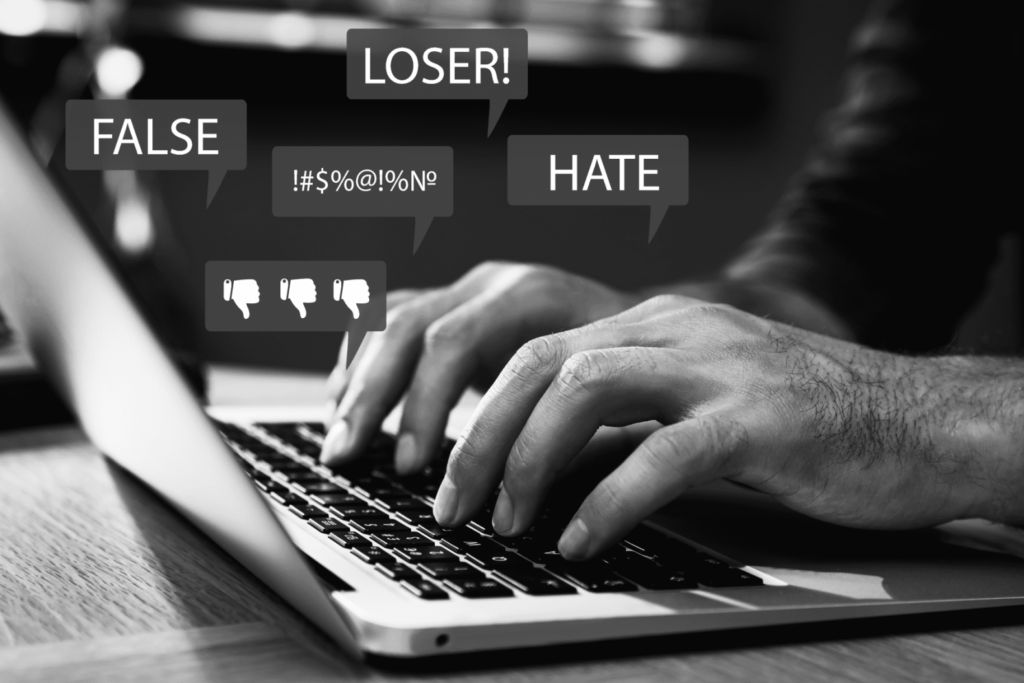
Even though many platforms have strict guidelines on what is appropriate to post and what is not, it still does not stop the hate speech online. Depending on the topics, some online platforms do not even censor the content. This has made hate speech grow rapidly online over the years, because it is easier to post and share harmful content online, then in person. Due to one having less consequences with the stuff they post online, unlike what they say in person. As well as making hateful comments easier for someone to say (3).
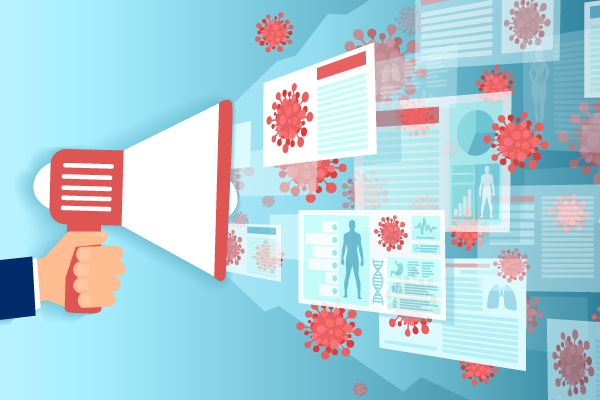
Misinformation is also another big con on free speech online (3). In my inquiry project in second semester of last year, I uncovered how misinformation negatively affects someone. I learned that there are different variations of misinformation shown online.
Here’s a list of common types of misinformation people may encounter online without even realizing it:
Satire or parody: Doesn’t intend to cause harm, but has potential to fool
False connection: Headlines, captions or visuals don’t support the content
Misleading content: Frames an issue or individual by misleading the information
False context: When content has false contextual information
Imposter content: Impersonator’s
Manipulated content: When real information is manipulated to deceive
Fabricated content: Content that is 100% false to do harm
These types of misinformation may easily fool one into believing the type of content they see online everyday. Making them share this content with others online, without knowing it is false. Then that information can spread all over social media, getting likes, reposts, shares and more. Which can fool many individuals. Now, lots of the stuff you hear and see about online is not always true, and you should always investigate it before jumping to conclusion.
Sites:
Finch, Dr Aikyna. “Free Speech and Social Media: Maintaining the Right Balance.” American Public University, 8 Dec. 2025, www.apu.apus.edu/area-of-study/arts-and-humanities/resources/free-speech-and-social-media/ (1)
“Free Speech and Social Media.” The Foundation for Individual Rights and Expression, 2025, www.thefire.org/research-learn/free-speech-and-social-media. (2)
Nott, Lata. “Free Speech on Social Media: The Complete Guide.” Freedom Forum, 2 Oct. 2023, www.freedomforum.org/free-speech-on-social-media/. (3)
(As well as info from blog post from last year)
Hi Ciara!
I really enjoyed reading your final post surrounding your inquiry question on whether or not there should be limits to freedom of speech. Your pros and cons list made the issue of free speech very easy and clear to understand, and there is a lot of detail in your misinformation section. Additionally, I liked the way you organized this blog post, as I felt it was very easy to follow and read through. One way you could improve this is to add a clearer conclusion that directly answers the inquiry question of whether there should be more limitations to freedom of speech. You could also add one real-world example of how a social media platform like Instagram, TikTok or X handles a free speech controversy, making this blog post more connected to the real world. Overall, your explanations are very clear, and this post was both helpful and intriguing! Great work on your inquiry project!
-Isabella
Hi Ciara!
I really enjoyed reading your final blog post on whether they should be limits to freedom of speech. The inclusion of both positive and negative impacts of free speech on social media was interesting to read and your points regarding misinformation were extremely informative and relevant. To further strengthen your blog post, you could reflect on your final stance after each stage of research! Overall, I loved reading this post, good job!
Here are some links you may find interesting if you choose to further your research!
https://www.pewresearch.org/internet/2017/03/29/the-future-of-free-speech-trolls-anonymity-and-fake-news-online/
https://law.stanford.edu/projects/regulating-freedom-of-speech-on-social-media-comparing-the-eu-and-the-u-s-approach/
Ishani Balachandran
Hi Ciara! I really enjoyed reading your final blog post on whether they should be limits to freedom of speech. The inclusion of both positive and negative impacts of free speech on social media was interesting to read and your points regarding misinformation were extremely informative and relevant. To further strengthen your blog post, you could reflect on your final stance after each stage of research! Overall, I loved reading this post, good job! Here are some links you may find interesting if you choose to further your research! https://www.pewresearch.org/internet/2017/03/29/the-future-of-free-speech-trolls-anonymity-and-fake-news-online/ https://law.stanford.edu/projects/regulating-freedom-of-speech-on-social-media-comparing-the-eu-and-the-u-s-approach/ Ishani Balachandran