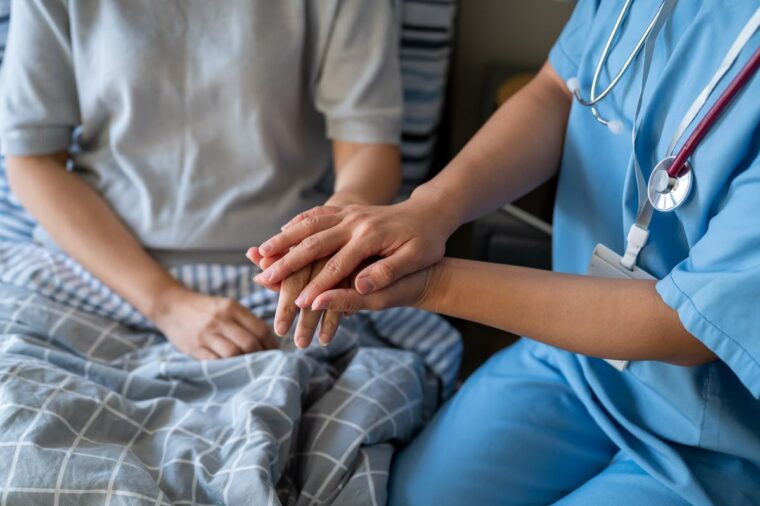
Hello everyone, and welcome back to my blog! Over my last few posts, I’ve explored the mental and emotional effects of cancer. For my last research round, I’m focusing on the physical impacts, both on the person diagnosed and on the family members who support them.
This round of research will take a closer look at the physical toll that cancer brings, not only for the patient, but for the family members who walk alongside them. I will explore how cancer and its treatments affect the body through symptoms like fatigue, pain, sleep difficulties, and changes in strength or mobility, as well as how the physical strain of caregiving can impact the health of loved ones through disrupted sleep, exhaustion, and stress. Learning about these physical changes will help me understand how the body is affected throughout the journey, completing the bigger picture I’ve been building in my past posts.
A cancer diagnosis brings challenges that reach far beyond emotions or mindset, it also affects the body in ways that can shape daily life, independence, and comfort. Physical symptoms like fatigue, pain, or nausea may begin early and continue throughout treatment, while families may experience their own physical exhaustion as they support their loved one. Exploring them, along with physical coping strategies such as gentle exercise, medical support, and caregiving tools, will help me better understand how both patients and families navigate this part of the journey the best they can.
Physical Impacts on Patients
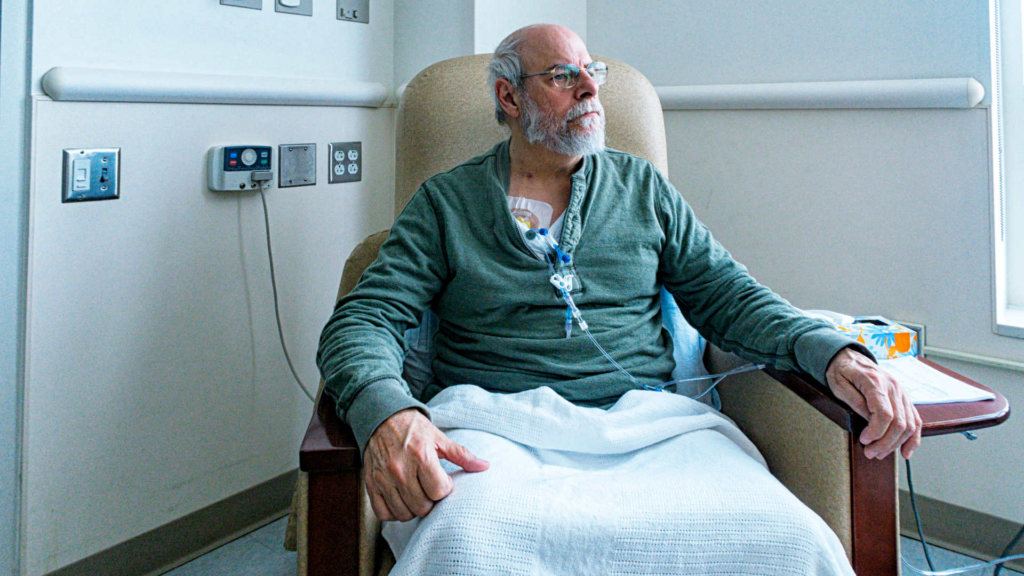
Cancer affects the body in many different ways, and each person’s experience is unique. Many patients face symptoms such as fatigue, pain, trouble sleeping, breathlessness, nausea, appetite changes, and a weakened immune system, which can appear suddenly or gradually depending on the cancer type and treatment (1). These symptoms often shift throughout the course of treatment, sometimes easing and sometimes intensifying, making daily routines unpredictable and hard to plan.
One of the most overwhelming physical challenges is fatigue. This isn’t the regular type of tiredness that improves with rest. It is a deep, full‑body exhaustion that makes even simple activities like walking, concentrating, or getting dressed feel difficult. Patients often describe it as a constant heaviness that doesn’t go away, and it is considered one of the most common side effects of cancer and its treatments (2). Treatments such as chemotherapy and radiation can also lead to longer‑lasting physical changes. Many patients experience scarring, nerve pain, reduced mobility, weight changes, hormonal shifts, and changes in skin and hair as a result of treatment (2). These changes may affect how patients feel in their own bodies, impacting confidence, independence, and daily comfort.
Some patients also face more subtle but still impactful physical symptoms such as digestive issues, temperature sensitivity, or changes in taste, which can affect appetite and nutrition (1)(5). Others may struggle with sleep disruption, making rest difficult even when their body is exhausted (1). These physical experiences, whether large or small, shape how patients move, rest, and interact with others.
Physical Strain on Family Members and Caregivers
The physical impact of cancer doesn’t end with the patient, but also includes families, especially those who take on caregiving roles. Caregiving can involve helping with mobility, attending appointments, monitoring medication schedules, providing nighttime support, and managing daily routines. All of these responsibilities require energy, strength, and constant alertness, which can gradually take a toll on the caregiver’s body.
Because of these demands, caregivers commonly experience fatigue, disrupted sleep, reduced immunity, and stress‑related physical symptoms (3). Many caregivers report that their sleep becomes irregular or frequently interrupted, whether they are getting up throughout the night to check on the patient, helping with mobility, or simply lying awake worrying. Over time, this sleep loss can drain energy, lower concentration, and weaken overall well‑being.
Physical strain can also come from lifting or supporting a patient, helping them shift positions, or assisting with bathing or walking, tasks that can lead to back pain, muscle strain, or chronic tension (4). When combined with the pressure of balancing caregiving with work, school, or personal responsibilities, it’s easy for caregivers to become physically exhausted without even realizing it. Research shows that when patients experience severe symptoms like sleep disturbance or fatigue, this often increases the caregiver’s own physical burden, creating a cycle where both struggle with tiredness and physical stress (4).
Physical Coping Strategies
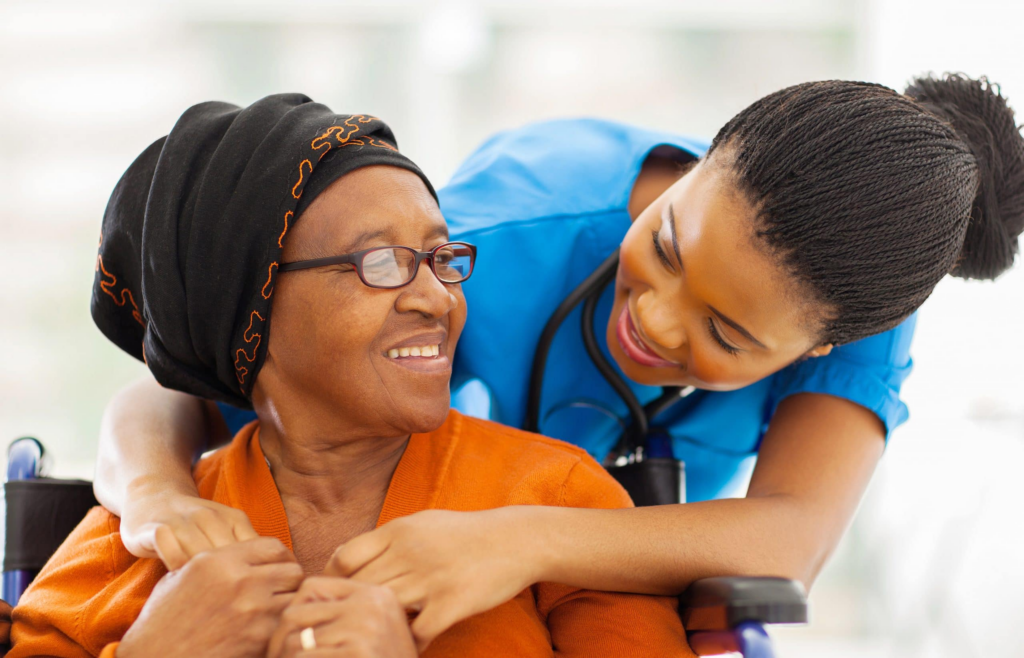
While the physical challenges can be difficult, there are helpful ways to support the body through this journey. Gentle movement, such as stretching, walking, or guided physiotherapy, can help rebuild strength and reduce tension or fatigue (2). Medical teams of nurses, physiotherapists, and pain specialists can help patients manage symptoms more comfortably through specialized care, medication adjustments, and specified support (1)(5).
Caregivers also benefit from physical coping strategies. Setting routines, taking short breaks, and sharing tasks with others can help protect their own well‑being. Even small moments of rest or quick stretches throughout the day can make a difference.
Support programs offered by hospitals and treatment centers can help too. Many provide services like exercise programs, pain‑management clinics, and caregiver‑specific resources to ease physical strain (1)(5). These kinds of supports remind both patients and families that they don’t have to handle the physical challenges alone.
Conclusion
Cancer affects far more than the mind and emotions, it deeply impacts the body and the people who provide care. The physical challenges that patients face, from fatigue to pain to changes in strength or mobility, reshape daily life in powerful ways. At the same time, caregivers often carry their own physical burdens as they support their loved ones with dedication and love. Recognizing these physical impacts helps us better understand some of the harsh reality of cancer and why compassion, patience and support are so essential throughout the journey. Thank you for following along on my last few research rounds and I hope you learned something new 🙂

References:
- https://www.macmillan.org.uk/cancer-information-and-support/treatment/physical-impacts-of-cancer-and-treatment
3. https://www.apa.org/pi/about/publications/caregivers/faq/health-effects
5. https://www.mdanderson.org/patients-family/diagnosis-treatment/emotional-physical-effects.html
Hi Rhea! After reading through this post, I can confidently say that this is a really strong and well-organized post that clearly explains how cancer affects both patients and caregivers physically. I also liked how you included coping strategies to end on a hopeful note. Your explanation of fatigue and the physical strain on families was really clear and insightful. I think for next time, you could make it even better by adding a short real-life example and slightly shortening a few longer sentences for smoother flow.
Hi Rhea! I really enjoyed reading your post and I’d love to read more about this topic. Your whole project is very well organized, clear, easy and very interesting to read about how cancer can affect the patient as well as their family, it is something that I happening everywhere in the world and I did learn something with your project. One idea that could make it even better would be to add a some more references to add more detail to your project. An website that could help is: https://www.metisnation.org/programs-and-services/healing-wellness/health-promotion/coping-with-a-cancer-diagnosis-in-the-family-2/
I’m very excited to learn more about this topic in the future! Keep going!
Hi Rhea! I was so touched to read this blog post, as my own grandmother also passed away to cancer. Thank you so much for writing this beautiful post; I loved how you provided multiple perspectives to the disease! Next time, I would maybe talk to a doctor, or someone in a medical profession to see what they could say about it!
Here’s an article that you could use:
https://www.mdpi.com/1420-3049/27/6/1794
Happy writing!