Hello and welcome to my blog post #3, in this post I will be researching about why environmental changes happen.
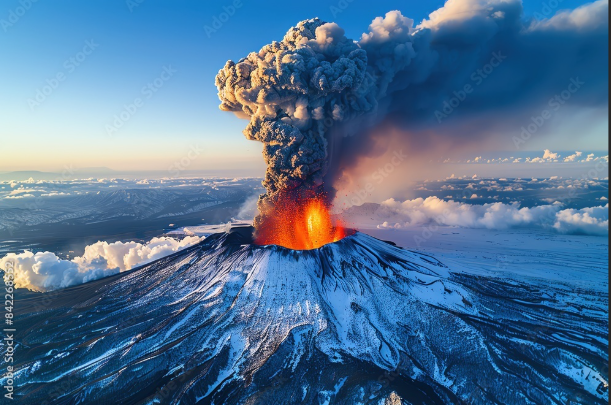
The environment is always changing. Sometimes it’s nature doing it naturally(1) like, volcanoes, solar flares, or shifting ocean currents (3). These things have been changing Earth for ages, sometimes slowly, like climate over thousands of years, or sometimes fast like floods and earthquakes (3). But lately humans have started to make it worse and push things along a lot faster.
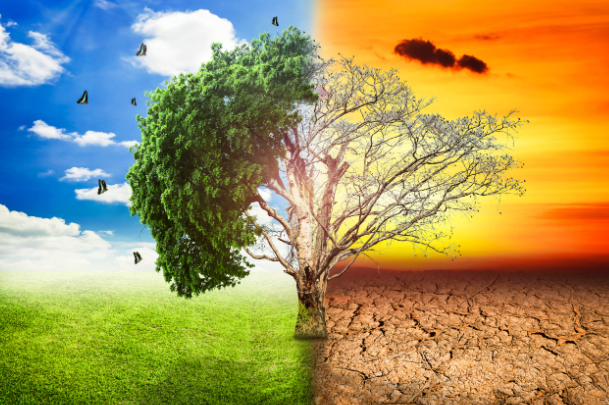
So, what’s actually behind all these changes? Sure, nature is changing for the worse. But right now we are changing the planet more than anything (2). Burning fossil fuels like coal, oil and gas releases greenhouse gases into the air, trapping heat and increasing temperatures worldwide.(1) When we cut down forests, we lose trees that normally store carbon, and our farms and factories add pollution to the air, water and soil(2). These problems are vanishing species, and using resources too quickly make the situation worse(2). That’s why things are shifting faster, and damage feels more severe than before(4).
You can see the evidence everywhere. Temperatures keep climbing, glaciers and sea ice are melting and weather patterns are changing. Rain falls where it didn’t before(5). Species disappear as habitats vanish due to destruction(2). Scientists at NASA help us understand that greenhouse gases are the main reasons for all these rapid changes(4). Britannica and other sources also show how human actions and natural feedback loops push the climate even further(5)
Examples of Environmental Change
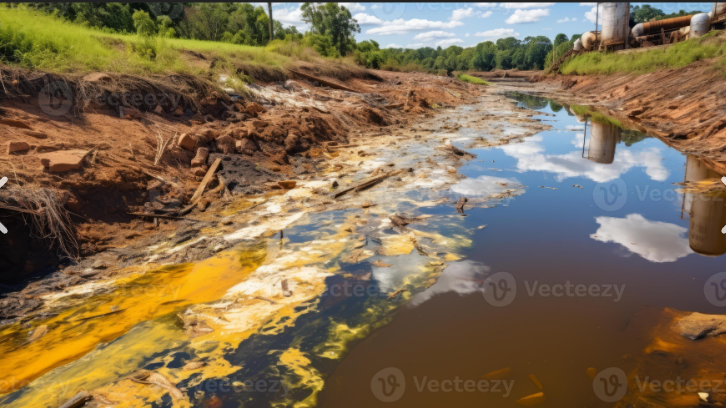
If you look at the world today, you can see many examples of environmental changes. Global warming is increasing the number of extreme weather events like hurricanes and droughts (4). Rising sea levels are threatening coastal towns and wildlife (5). When we clear forests, it’s not just about the loss of trees; we also reduce carbon storage and destroy habitats(2). The ocean absorbs excess heat and energy released from rising greenhouse gases trapped in the Earth’s system, and today, the ocean has absorbed about 90 percent of that heat. (3). So, why is greenhouse gas called greenhouse gas? It’s because it produces a “greenhouse effect”. The greenhouse effect makes the Earth warmer, just like a greenhouse.(1) Air pollution hurts both people and the planet(1). Industrial waste poisons rivers and soil(2). Overfishing disturbs marine food chains (5). These are many examples of Environmental change, but there are still many more.
Why does this matter
So, why does any of this actually matter? You might think it just affects the environment and animals and not us, but that’s not true at all. Without animals and nature, we won’t be able to survive. (3) With time, greenhouse gases can have the potential to warm the planet to levels that humans have never experienced. Such a change could have huge and unpredictable environmental, social, and economic consequences on our lives. (1) Everyone knows that humans depend on basic survival systems such as clean air, clean water, a stable climate and plants and animals, but environmental changes disrupt even our basic needs.
In conclusion, Environmental changes happen for many reasons, both natural and human-made. While we cannot stop natural events, we can control human actions that make these changes much worse. By learning about this cause and making better choices, we can protect the Earth. Thank you for reading and I hope you learned some new things.
References
- Causes of Climate Change – Canada.ca
- What is Environmental Change? – Institute for Environmental Research and Education
- Climate Action – United Nations
- Causes of Climate Change – NASA Science
- Global Warming – Britannica
- Causes of Climate Change – European Commission