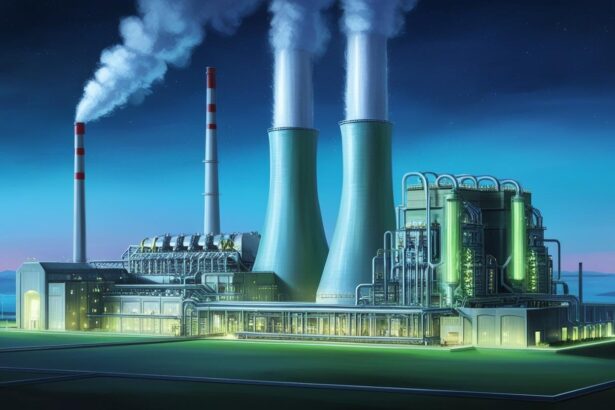
1. Nuclear Energy: Beyond the Cooling Tower
In 2026, the interface between nuclear energy and human life is shifting from massive, distant power plants to localized, integrated systems.
- Small Modular Reactors (SMRs): These are the “PCs” to the “Mainframes” of traditional nuclear plants. Because they are factory-built and scalable, they are being deployed to power heavy industrial clusters, data centers, and even remote communities.
- Medical Miracles: Radioisotopes like Technetium-99m are the workhorses of modern diagnostics, used in nearly one-third of all hospital admissions in developed nations to “see” inside the body without surgery.
- Food Security: Through Food Irradiation, nuclear technology kills bacteria and pests in spices, meats, and fruits without “cooking” them, significantly extending shelf life and reducing foodborne illnesses.
- The Fusion Horizon: While still in the demonstration phase, 2026 marks a period of massive investment in Nuclear Fusion, which promises a future of limitless, carbon-free energy by “bottling a star.”
2. Gene-Editing: The “Instruction Manual” for Life
The interface of gene-editing (specifically CRISPR-Cas9) with human life has moved from basic research to active therapy and environmental management.
- Precision Medicine: We are seeing the rise of “living drugs.” CAR-T cell therapy involves editing a patient’s own immune cells to seek and destroy cancer. Genetic disorders like Sickle Cell Disease are now being treated by “fixing” the genetic code directly.
- Agricultural Resilience: To combat climate change, CRISPR is used to create “Climate-Ready Crops.” These are plants edited to survive extreme heat or require 50% less water, interfacing with our lives through the food we eat every day.
- The “Designer” Dilemma: The most intimate interface is the debate over Germline Editing (editing embryos). While currently restricted to research, the technical ability to choose traits like height or resistance to certain diseases is forcing a global conversation on what it means to be “human.”
3. The Shared Interface: Ethical & Social Impact
Both technologies share a common “friction point” with society:
| Primary Benefit | Limitless, clean energy & advanced diagnostics. | Curing “incurable” diseases & food security. |
| Human Concern | Safety, waste management, and proliferation. | “Playing God,” genetic inequality, and “designer babies.” |
| Daily Touchpoint | Stable electricity, smoke detectors, medical scans. | Specialized medicine, resilient produce, ancestry kits. |
Conclusion:
The “interface” is no longer just about the technology itself; it’s about agency. We are moving from a world where we adapt to our environment (weather, disease, energy limits) to a world where we edit our environment and ourselves to suit our needs.