
a. What challenges did you overcome throughout this inquiry project? How did you go about overcoming these challenges?
One of the biggest challenges I faced while working on this inquiry project was finding reliable, research-based information on humour and its role in our lives. A significant amount of content I came across was more opinion-based or casual, which made it difficult to delve deeper into the real impacts of humour. To overcome this, I searched more intentionally for credible sources, including research blogs, psychology articles, and studies from universities. For example, I used sources like Managing Conflict with Humour by HelpGuide.org and articles from the Management Training Institute that explored the connection between humour and conflict resolution. Another challenge was keeping my blog posts focused and avoiding repetition. Since my sub-questions were closely related, I needed to make sure I wasn’t repeating the same thing in each post. I handled this by clearly outlining each subquestion and its unique angle. For example, I focused on conflict resolution, while another focused specifically on the psychology of laughter. This allowed me to stay organized, cover a range of perspectives, and ensure that each post built on the last one without overlapping.
b. How did this inquiry change the way you think?
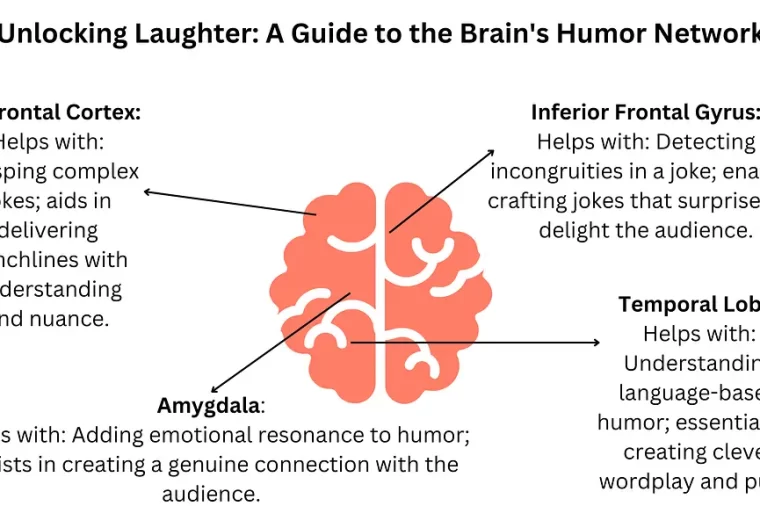
This inquiry made me realize how much humour impacts our lives and that it is much more than making people laugh. Humour is a powerful tool in building relationships, handling conflicts, and supporting others emotionally. While reading about things like the release of endorphins during shared laughter and how humour can lower stress levels, I truly understood that it is a psychological and emotional tool. I always saw humour as a way for people to connect, yet I never understood the psychological impacts on our mental, physical and social wellbeing. For example, one article explained how laughter triggers the brain’s reward system and helps people feel emotionally connected even in short interactions. I now realize that humour is not just casual or spontaneous, but intentional and impactful in everyday situations. Humour is a crucial part of our lives and something that connects us in ways that words alone often can’t. Through this inquiry, I have learnt just how powerful it can be, not only for entertainment but as a tool for communication, trust, and emotional connection.
c. How did this investigation impact your future decisions?
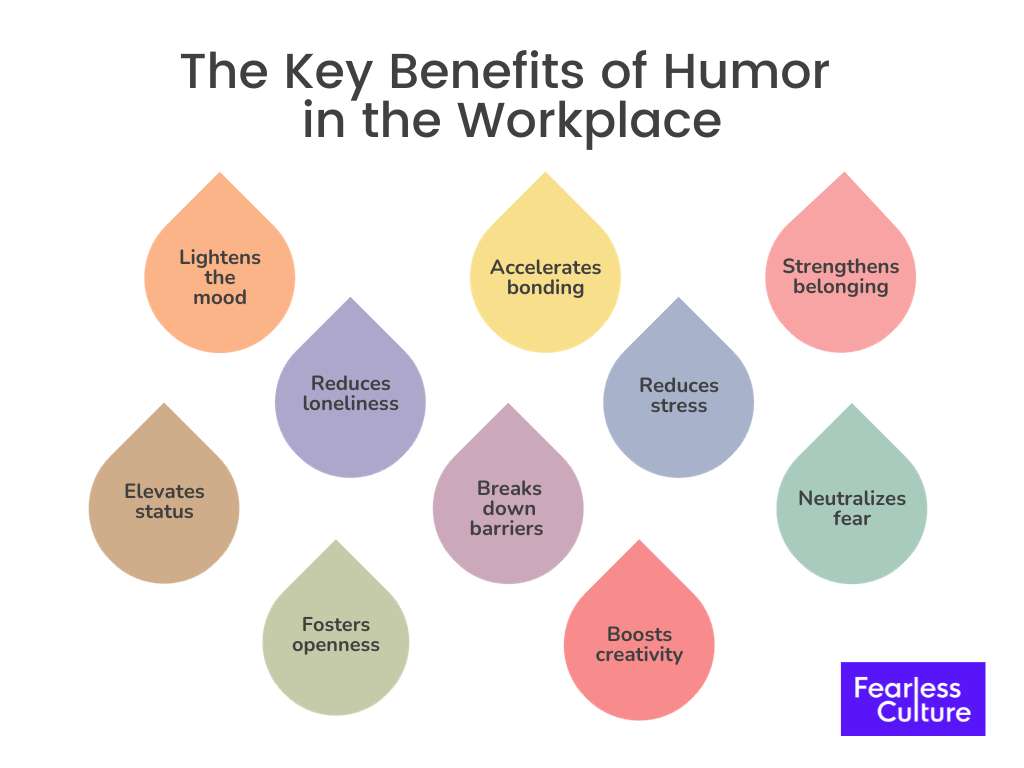
This inquiry has made me more aware of how I communicate with others and the role humour can play in building strong, meaningful connections. In the past, I might have used humour without truly understanding it, simply to be funny or lighten the mood. However, I now see it as something much more meaningful as it can help people feel comfortable, reduce tension in difficult conversations, and build trust between people who might not know each other well. Moving forward, I hope to be more intentional with how I use humour in both professional and personal settings. For example, in leadership or team-based roles, I now know that using humour appropriately can help build trust, cohesiveness, ease conflict, and make collaboration more enjoyable. Whether it’s working in a team, supporting a friend, or presenting an idea, I know that the right kind of humour can make people feel included. It also made me more interested in topics like emotional intelligence and communication, key traits which are necessary in leadership roles and future careers that involve working with others.
d. What impact will this investigation have on others locally and/or globally?
Locally, I believe this inquiry project can help people see humour as a powerful and positive communication tool. Whether it’s helping classmates work through tension in a group project or simply making social situations less awkward, humour can make a huge difference when used respectfully. For example, one of my blog posts focused on how humour can ease conflict, which is something anyone can apply in real-life situations at school, work, or even in friendships. On a global scale, the idea that humour is a universal connector is something I explored deeply. No matter where people come from, laughter is something we all understand. In diverse communities like mine, humour can create a sense of shared experiences. When used thoughtfully, it can build bridges between cultures, reduce misunderstandings, and promote empathy and inclusivity.