1. Three Steps for Research
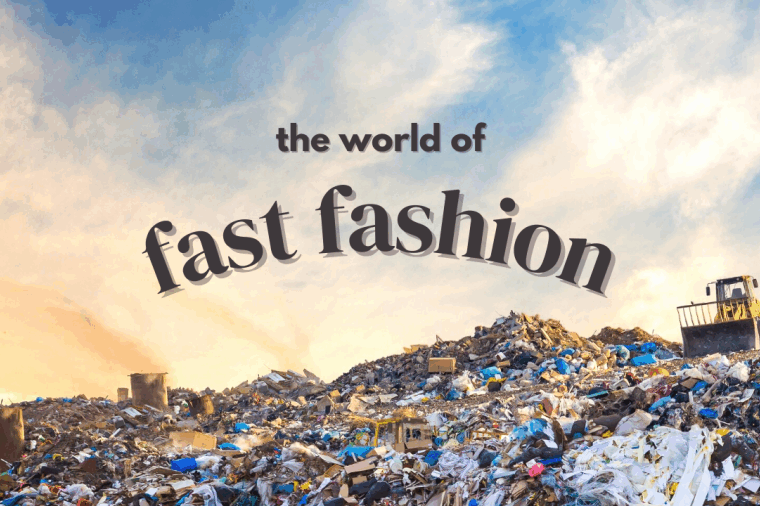
Step 1: Investigate the environmental impact of fast fashion production.
I will research how fast fashion companies produce clothing—focusing on water pollution, carbon emissions, and textile waste. This information will help me understand the scale of the problem and why fast fashion is considered harmful to the planet.
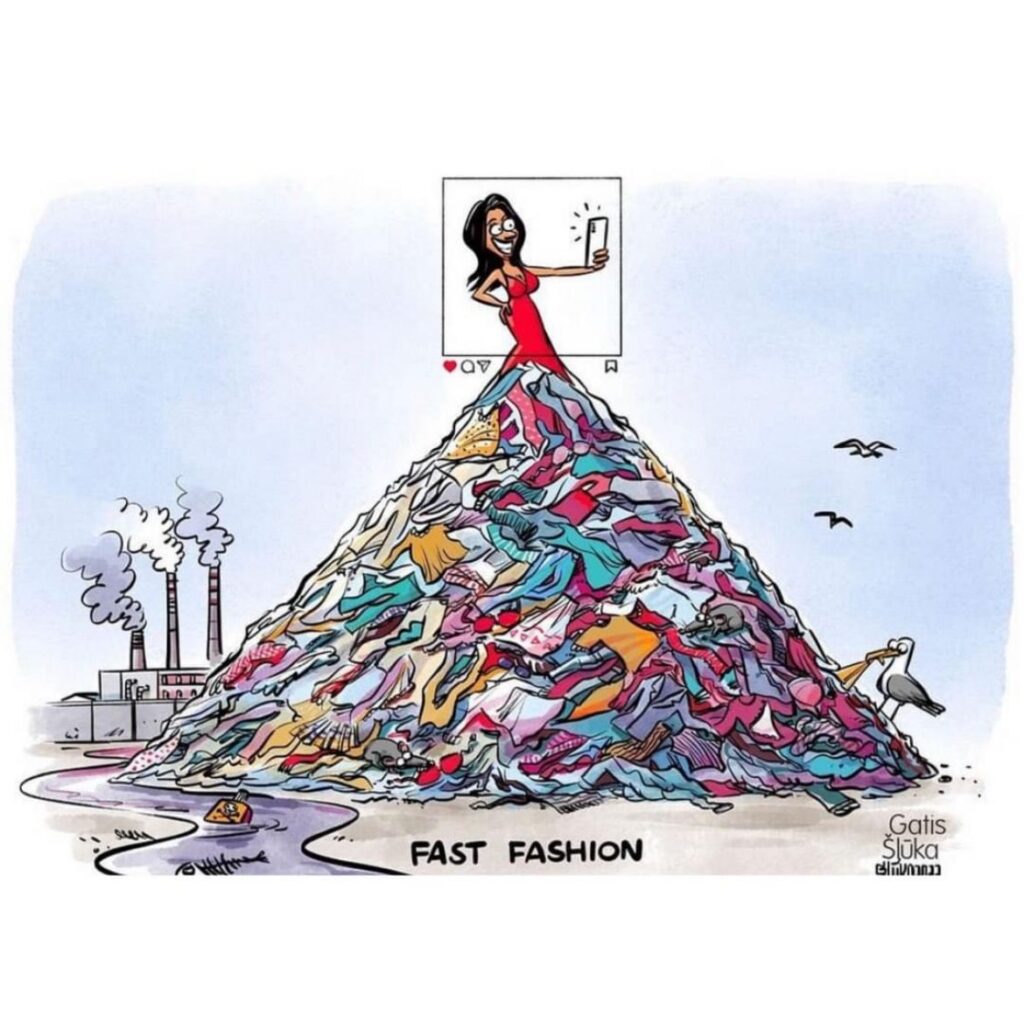
Step 2: Explore the human and economic sides of fast fashion.
I will look into where clothes are made, how garment workers are treated, and how overproduction and low costs encourage waste. This step connects environmental issues with social responsibility and shows how both people and ecosystems are affected.
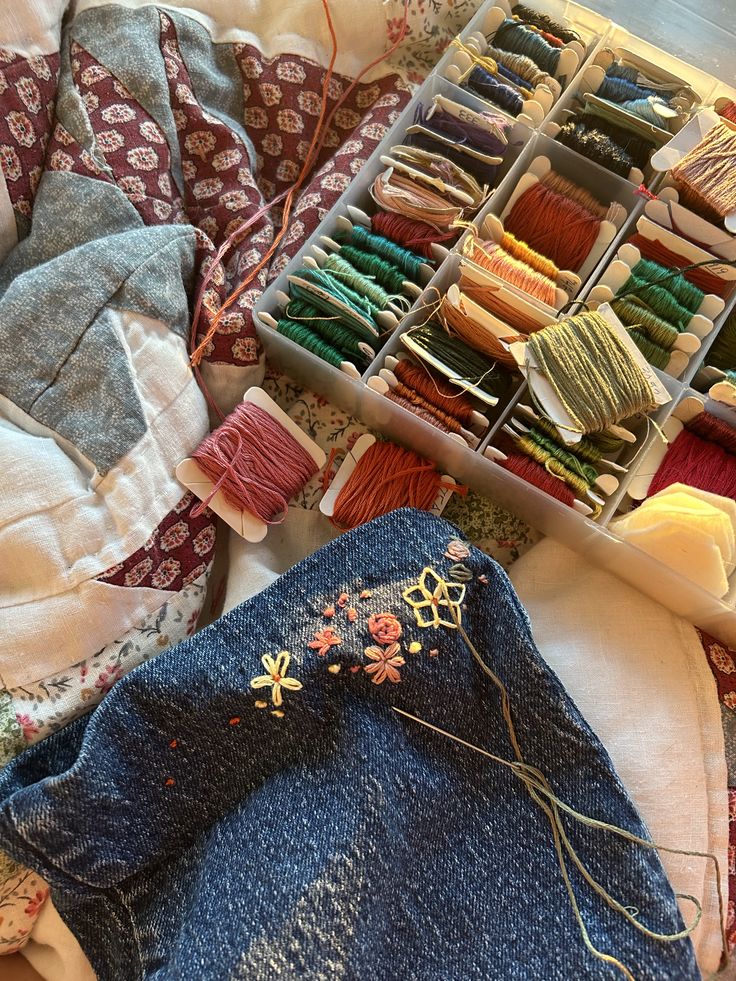
Step 3: Research sustainable alternatives and solutions.
I will investigate ways to reduce fast fashion’s impact, such as second-hand shopping, slow fashion brands, recycling programs, and policy changes. This will help answer the second part of my question—what we can actually do about the problem.
2. Five Valid Sources
- https://www.unep.org
- Fast Fashion and Its Environmental Impact in 2025 | Earth.Org
- Making Fashion Sustainable: Waste and Collective Responsibility – PMC
- https://psci.princeton.edu/tips/2020/7/20/the-impact-of-fast-fashion-on-the-environment?
- https://www.humanrights.unsw.edu.au/research/commentary/explainer-what-fast-fashion-human-rights-environmental-impacts?
3. Implications for Myself and My Community
This question matters to me because I buy clothes like most people my age, but I’ve started noticing how quickly trends change and how much gets thrown away. Learning about fast fashion helps me make smarter choices about what I buy and wear.
In my community, learning about how fashion harms the environment can help people care more about sustainability. If we shop at thrift stores or buy from fair and eco-friendly brands, we can cut down on waste, pollution, and unfair labor. Even small actions—like swapping clothes or fixing old ones—can make our community more sustainable.


Hey, this is Elizabeth! I really enjoyed reading you post. Your project really connects to the big problem of fast fashion to your own life and your community, which helps readers understand why it matters. One idea to make it even better is to add a question at the end, like “What can you do to help?” This might encourage readers to think more deeply about the topic.
Hi Andrea! I really enjoyed reading your post and I’d love to read more about this topic. Your project is very well organized, clear, and easy to read about how fast fashion is affecting us and how to find ways to improve in this area. One idea that could make it even better would be to explain a bit more about how to create a community focused on caring for the environment. This could help readers better understand how to help the environment and avoid buying these kinds of clothes. I’m very excited to learn more about this topic!
Hi, Andrea! I like how each step you’re taking builds on the last, from understanding the environmental impact of fast fashion, to exploring the human side, and then, focusing on solutions. Your topic is really relevant in today’s world, and connecting it to your own shopping experiences makes it feel more personal and relatable. One thing you could improve is adding a bit more detail to support your research. Overall, it’s a thoughtful topic that shows you really care about making a positive impact on our environment.
Hi! I really enojoyed reading your post. It talks about a real problem that is happening in many parts of the world. I liked how you put a lot of relevant information that help us have a deeper understanding of this topic. One idea that could help your post to be even better is including some real life examples can help connect more your post with the topic. This could help the readers have a better understanding of the topic. I’m very excited read more about this topic!
https://health.ucdavis.edu/blog/cultivating-health/social-medias-impact-our-mental-health-and-tips-to-use-it-safely/2024/05
Hey Vannesa, you have a fascinating blog post .It seems that research interest lies at fashion which is a good one. I would like to tell you to add relevancy to the question by giving real life example. our research will help those people that deals with things to do with fashion. Besides that, I eager to acquire knowledge from you as we encroach with research. Below here there are links for you.
https://www.economicsobservatory.com/how-does-fast-fashion-affect-the-environment
https://ctinews.co.uk/the-impact-of-fast-fashion-on-the-environment.html
Hey Vannesa, you have a fascinating blog post. It seems that research interest lies at fashion which is a good one. I would like to tell you to add relevancy to the question by giving real life example. our research will help those people that deals with things to do with fashion. Besides that, I eager to acquire knowledge from you as we encroach with research. Below here there are links for you.
https://www.economicsobservatory.com/how-does-fast-fashion-affect-the-environment
https://ctinews.co.uk/the-impact-of-fast-fashion-on-the-environment.html