
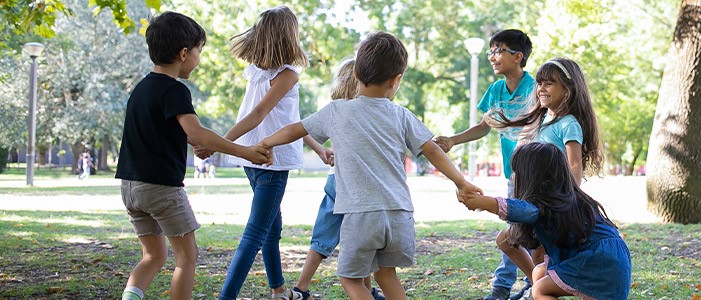
In order to answer my Inquiry question, I have three steps of research I will follow that all will lead to my final answer. These three steps will help shape and give context to my question, aiding me to answer it in the best and most detailed way possible. Without further ado, my steps are:
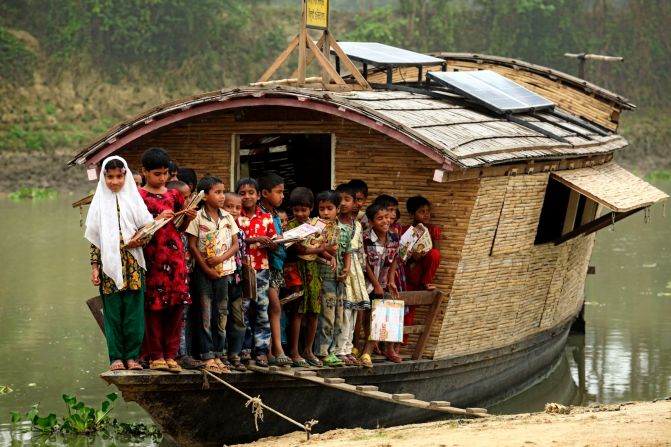
Step 1: Research different general forms of education and teaching methods in specific countries, and compare between them.
Education is a big part of a child`s life. They are generally in school from the age of 6-18, longer if they pursue higher education. These years shape a child`s brain, being there through most of puberty and development. The things that they learn and differences in teaching methods and curricula can really vary the way a child grows up. Schools greatly vary between countries, with different funding, educational beliefs, uniforms, and even food. The experiences of children who went to school in different countries can be very starkly different, in a positive or negative way. Are students ‘smarter’ in certain countries? How so? Does the age they start school affect children? Maybe the length of a school day? I believe researching these variations between countries will give me a good understanding of the potential differences children could have with learning disabilities, bullying, and just school life in general based on where they were raised.
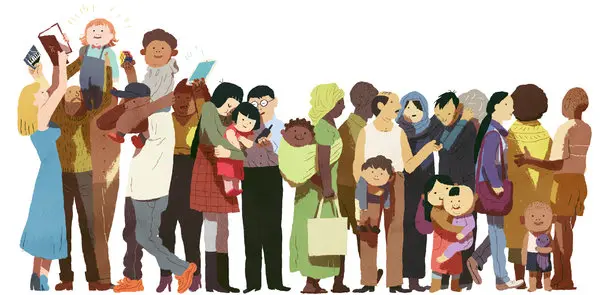
Step 2: Research different general beliefs and methods (cultural, religious, ect.) about child rearing based on countries.
Another big factor I can think of that affects child development and the way a child grows up, is the parenting techniques used throughout their childhood. Depending on whether their parents or caregivers were strict or more on the lenient side, kids can grow up to more conserved or more open adults. I could potentially research if certain cultures or countries tend to have stricter practices with children than others. There’s also the factor of religion and culture. A Christian child will most obviously grow up to different views than a Muslim child, but what could be the potential differences between a Muslim child from Afghanistan, and a Muslim child from Burkina Faso? I believe that these findings could really help me decipher more of the differences in notions and impressions between children from different countries.
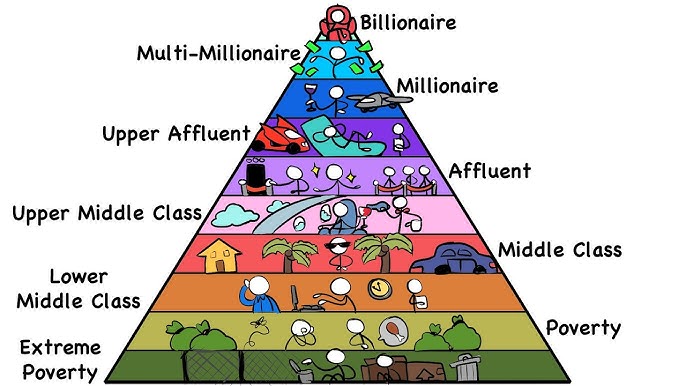
Step 3: Research the general socio-economic status of families in different countries.
Lastly, a big impact in the life and development of children is the socio-economic status of their family, and the level of poverty they experienced during their childhood. Obviously, a very well-off child will have a different daily routine and different habits and values than a child in a less wealthy household, but I want to know how that varies between countries. Are there variations between ‘rich’ families in different countries? What do different countries even consider ‘rich’ to be? How would that affect a childhood? I also want to research the role of financial aid, and the social implications of it on children in school and in daily life. I think all of these questions and findings will help me tenfold in really finding out how the social status and income of a family, depending on what country they live in, would affect a child, and their thoughts, habits and practices when their older.
Sources that might be useful:
https://www.tuw.edu/health/child-rearing-practices-different-cultures/
https://pmc.ncbi.nlm.nih.gov/articles/PMC8940605/
https://www.oxford-royale.com/articles/international-solutions-student-problems
https://www.tshanywhere.org/post/teaching-methods-worldwide
https://datatopics.worldbank.org/world-development-indicators/the-world-by-income-and-region.html
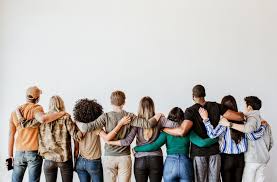
This question will have implications on myself by aiding me to understand how childhoods differ by country and in what ways the differ. As I have mentioned in other blog posts, I really do love children and the way their brains work and develop really fascinates me, so to think that in the future I could possibly use my findings to help assist kids and understand them more is comforting. This question will have further implications for me because it might help me in the future. If I ever want to get employed in some form of childcare, or want to pursue higher education about an aspect of childcare and childhood development, the answers and conclusions I come to based on this Inquiry question can help me be skilled and connect with others in those areas.
This question will have implications in my community by first of all, helping people connect. If someone reads my posts, then meets someone who was raised in a different country, they might understand and recognize some of the differences that person hand in their childhood, helping them connect and form a bond. Also, my question might have implications in my community by informing people and services in ways they can support families that have moved from different countries or families from different backgrounds. If they are informed about the experiences these families and children have faced, they can be the most understanding and welcoming.
Thanks for reading, and I can’t wait to start my research for real!

Hey! After reading your blog post I’m very interested in your topic! Your question is very insightful, I’m very interested to see where your project leads you to. I like the “sub” questions you’ve created to answer your main one, I think you’ve gotten the very important parts down and I’m looking forward to when you come up with more research!
Hi Jaeda! I found your topic very interesting and eye catching! I love how you’ve included several examples and detailed information. I would highly recommend that in your further research you are able to explore other identities and cultures. I like the way you have your steps planned out since organization is key! I look forward to reading more about this!