

Hello! Thank you for taking the time to read my blog post again. The inquiry question that I will be researching is “Do I shape my personality, or is it shaped by others?” In this blog post, I will be focusing on my first round of research, which will be more internal, rather than external.
Step 1: Understanding Internal Personality Development
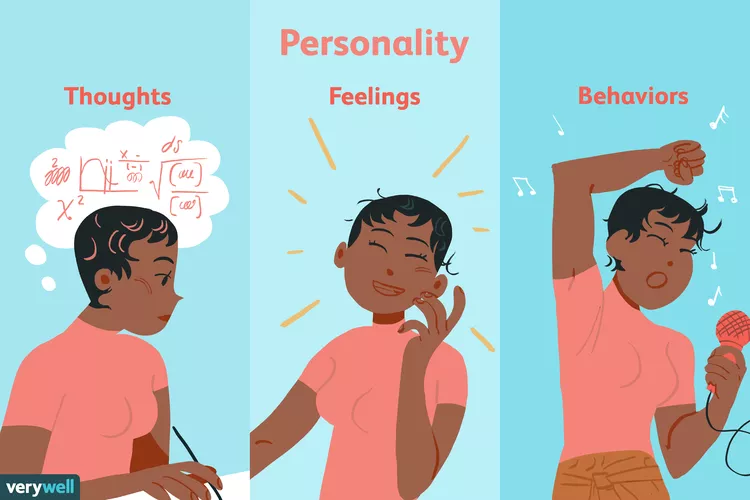
First off, personality is what makes each of us unique. It is the mix of thoughts, feelings, and behaviors that set us apart from others (2). Developing your personality often starts with the unimportant things you do every day, that you may not notice. Such as your habits, and behaviors, which quietly shape how you interact with the world. The routines you stick to, whether responsible or impulsive, influence not just how others see you, but how you see yourself (1). For example, practicing discipline and self-control can make you seem dependable and grounded, while more unpredictable reactions might make you seem less steady (1). Over time, these patterns add up, shaping your identity, values, and sense of self. This shows that personal growth really comes from the choices you make consistently (1, 5). Traits like conscientiousness, agreeableness, and emotional stability, things often measured in personality tests, do not just appear out of nowhere. They grow from the combination of your daily habits and how you express yourself internally (2).
Life experiences also play a huge role in shaping our personality from the inside. Both positive and negative experiences teach us how to navigate the world, set goals, and manage stress (1, 3). Difficult or even traumatic experiences might at first cause anxiety or make us more guarded, but they also have the power to build resilience, empathy, and critical thinking skills (1, 4). Taking the time to reflect on these experiences helps us understand our own reactions and emotional patterns (1). This reflection strengthens self-regulation and emotional intelligence, which are key for growing both personally and professionally (6).

Values, beliefs, and moral frameworks act like internal compasses that guide our decisions and behavior. Living in alignment with your values gives a sense of purpose, inner peace, and authenticity, while going against them can create stress or guilt. For example, trying to meet a parent’s expectations or adopt their beliefs can sometimes feel limiting or uncomfortable (1, 3). Psychoanalytic perspectives suggest that our internal drives, desires, and conflicts interact with these values to shape our character, which shows that understanding our own motivations is essential for emotional well-being and personal growth (3). Personality is also influenced by temperament and genetic predispositions, which provide a natural baseline for behavior, emotional responses, and social tendencies (1, 4). Even so, these genetic traits are not set in stone. Intentional efforts such as self-reflection, therapy, and personal development can influence how these characteristics show up in everyday life (3, 6).

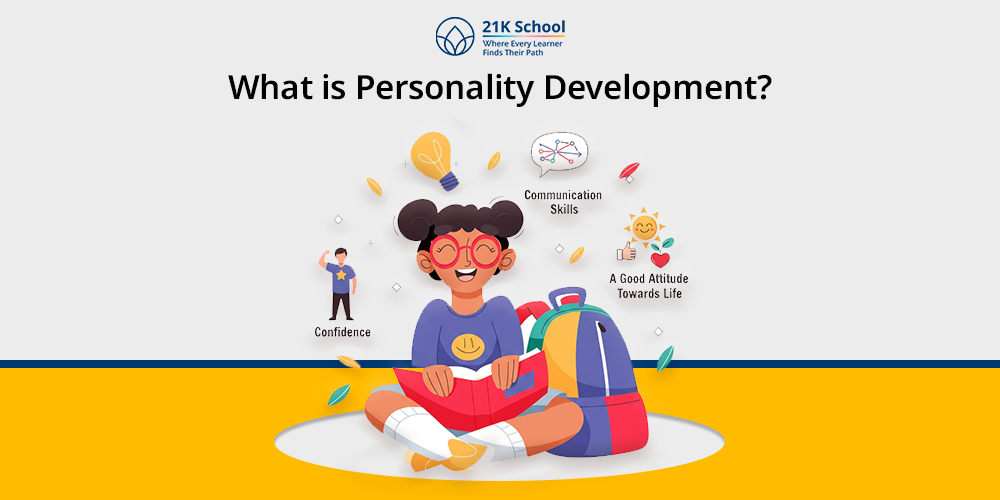
Self-awareness and developing internal skills are key to intentionally shaping your personality. Activities like self-reflection, setting personal goals, and paying attention to how you react emotionally help you recognize your strengths and areas where you can improve (5, 6). Skills such as managing emotions, being adaptable, and communicating effectively can be strengthened over time, which not only improves relationships but also reduces stress and increases overall life satisfaction (5, 6). By regularly observing yourself and being open to feedback, you can actively work toward becoming the best version of yourself instead of just reacting to whatever life throws at you (1, 6).
Personality development is a lifelong journey. Both childhood and adulthood offer opportunities to grow as we learn from experiences, face new challenges, and develop internal strengths such as resilience, leadership, and empathy (5). Personality is not set in stone. With true intentional focus on internal growth, people can refine their traits, overcome unhelpful patterns, and build a flexible, confident, and emotionally intelligent character (3, 6). This shows that while external factors can influence us, much of who we become is shaped by our own efforts to reflect, adapt, and grow (1, 5).
For my next research round, I will be researching more on the side of Environment and Social Influence. This will help me get closer to fully answering my inquiry question. Understanding the outside influences is just as important. By exploring things like family, culture, friends, and the social expectations around us, I can see how the world we grow up in shapes our behaviour and identity. This next step will show external experiences and how we take them into our identity.
Article 1. https://www.sarvayog.com/internal-factors-affecting-personality-development/
Article 2. https://www.verywellmind.com/what-is-personality-2795416
Article 3 https://chicagoanalysis.org/blog/psychoanalysis/character-development/
Article 5 https://www.21kschool.com/ng/blog/personality-development/
Article 6 https://setmycareer.com/blog/what-is-personality-development-and-why-is-it-important.php

Hi Timothy! I really enjoyed reading your post, and look forward to reading the new research you find each week. You did a great job explaining how these internal factors play a major role in our personalities, like habits, values, and emotions. I really liked how you structures this post as it is very simplistic and easy to follow. For the future, you could try to add a little bit more information; however, this post overall is very good.
I found some websites that you might interesting for your next post! Overall. your post was very well written and I cant wait to see your Blog post #4.
https://www.apa.org/topics/personality
https://www.ncbi.nlm.nih.gov/pmc/articles/PMC6189829/
I really liked how clearly you explained the different internal factors that shape personality. Your research is very organized and easy to follow. Something that could make your post even better is giving a short example of how one of these factors shows up in real life. Overall, I really enjoyed reading you work!
Great job, Timothy! I liked how you explained personality development by habits, values, and experiences. It made it easy to understand. It’s great that you are going to explore external influences in the next post. One area to improve might be to add a example from your personal experience on how one of your own experiences has shaped your personality. That would make your research more relatable and help readers connect more. Overall, it’s really good!