
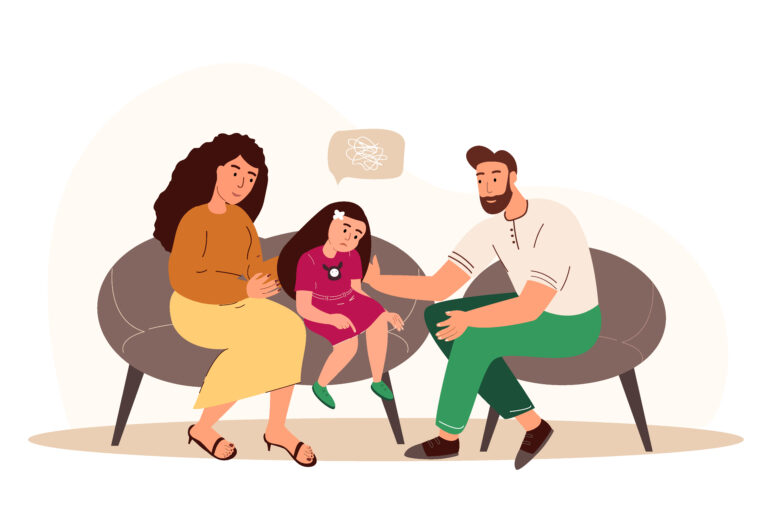
Hello everyone and welcome back to my blog! As discussed in my previous post (project plan) I will be researching the mental and psychological impacts on both the patient and their family when receiving a cancer diagnosis. I will research how a cancer diagnosis affects mental well-being including stress, fear, anxiety, and changes in mindset for both the patient and family members.
A cancer diagnosis is not only a physical challenge but also a psychological . Patients and their families often face fear, anxiety, and uncertainty that can deeply affect mental well-being. These reactions can begin immediately after diagnosis and persist throughout treatment and recovery. Addressing these challenges and finding effective coping strategies ensures care supports both physical health and emotional resilience.
Emotional and Psychological Effects on Patients
Hearing the word “cancer” often triggers shock, fear, and overwhelming anxiety. These emotions can lead to depression, adjustment disorders, and even post-traumatic stress symptoms (1)(2). Many patients report feeling a loss of control over their lives, which can make it harder to follow treatment plans and maintain hope (2). Physical symptoms such as fatigue and pain often intensify emotional distress, creating a cycle that impacts overall health. Research shows that untreated psychological distress can negatively affect recovery and quality of life, making mental health support an essential part of cancer care (1).
Impact on Family/Caregivers
The psychological burden extends beyond the patient. Family members especially spouses and primary caregivers, often experience high levels of stress and emotional strain. They may feel helpless, fearful of losing their loved one, and overwhelmed by caregiving responsibilities (3). Studies indicate that caregivers are at increased risk of developing anxiety and depression due to the constant state of worry and responsibility in supporting their loved one (3). This emotional toll can disrupt family dynamics, strain relationships, and lead to feelings of isolation and burnout. Children in the family may also experience confusion and fear, highlighting the need for family-centered interventions. More often than not, children are also left out of the know, or with a sugar-coated version which can affect mental health later on when learning the real truth.
Coping Strategies/Support
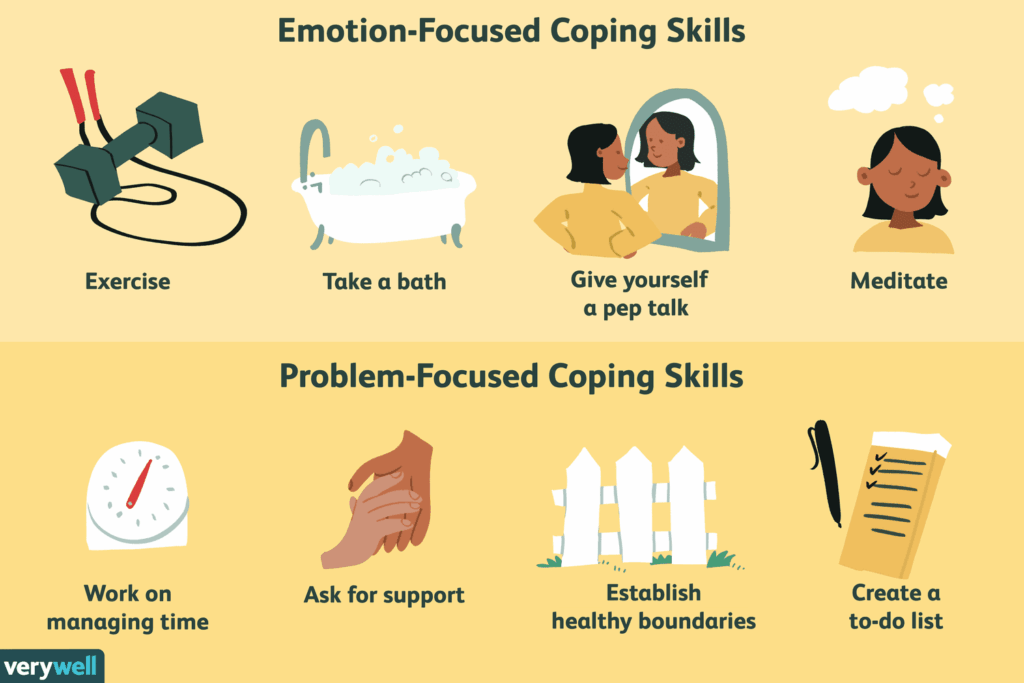
Managing these challenges requires emotional support and professional intervention. Counseling services including individual, couples, and family therapy can help families navigate the emotional complexities of cancer (4). Support groups provide a safe space for sharing experiences and reducing feelings of isolation (1). These groups often include both patients and caregivers, where it is dafe to foster mutual understanding and resilience. Communication is essential during these troubling times. Families who maintain open and honest conversations about fears and treatment plans tend to experience less distress (5). Practical coping strategies including mindfulness and journalling can also help restore a sense of control. Mental health professionals often recommend relaxation exercises and cognitive-behavioral therapy to reduce anxiety and improve coping skills.
A cancer diagnosis is a journey that affects every part of life physically, emotionally, and mentally. The fear, stress, and uncertainty that come with it can overwhelm both patients and their families, often lasting well beyond the initial diagnosis. Supporting mental health alongside physical treatment is not optional, but essential. When care plans include counseling, open communication, and coping strategies, they help families manage emotional strain and maintain much needed hope during difficult times. Addressing emotional needs as well as medical ones creates a path toward resilience, strength, and healing because true care means treating the whole person, not just the disease.
For my next post, I will research the emotional impacts on both the patient and their family. This round of research will dig deeper into the emotional toll of cancer such as sadness, grief, uncertainty, and emotional role changes in the family. Learning about these emotions will help me see how relationships and personal identity are affected.
Thank you for reading! Hope to see you back here soon 🙂
Sources:
- https://www.cancer.org/cancer/managing-cancer/side-effects/emotional-mood-changes.html
- https://www.cancer.gov/about-cancer/coping/feelings
- https://www.cancercenter.com/community/blog/2023/05/psychological-impact-of-cancer-on-the-family
- https://www.mskcc.org/experience/patient-support/counseling/individual-family-counseling
- https://www.mdanderson.org/cancerwise/8-dos-and-donts-for-communication-during-cancer-treatment.h00-159773289.html

Hi Rhea, I really enjoyed reading your post and I look forward to the next one! I think this is a super important topic to bring up because cancer is such a heavy topic, and I agree that it has a major impact on the family. I like how you included a lot of detail as well as many coping mechanisms that will help others dealing with a family member having cancer. Something that could help your research is adding statistics. A website that could help is: https://www.neurologyadvisor.com/news/cancer-anxiety-impacts-family-members-of-those-diagnosed-with-cancer/ . I look forward to reading your next post!
Hi Rhea, this was a very informative and in depth blog post. Cancer can be a very sensitive topic, weighed heavily with emotion, and I appreciate the angle you took, keeping your blog unbiased while speaking on a difficult matter. For your next blog post, an idea to talk about would be to talk about how the financial burden of been a cancer patient could put strain on your family (uninsured or states). Here is a resource to help with that!! https://pmc.ncbi.nlm.nih.gov/articles/PMC7307714/ . Good luck with your next blog posts!!
-Sarang Jacob
Great work on this post, I really liked your attention to detail and the way that you used your own personal connections to grow the post, keep up the strong writing!