For my second round of research, I will be more focused on the biggest factors and causes of climate change and how they affect the speed of its growth. I will try to find ways to reduce these key factors and develop a better understanding of why these factors have the impact they do on climate change. I hope to share my findings with close friends and family members to help everyone do their part in preserving our planet.
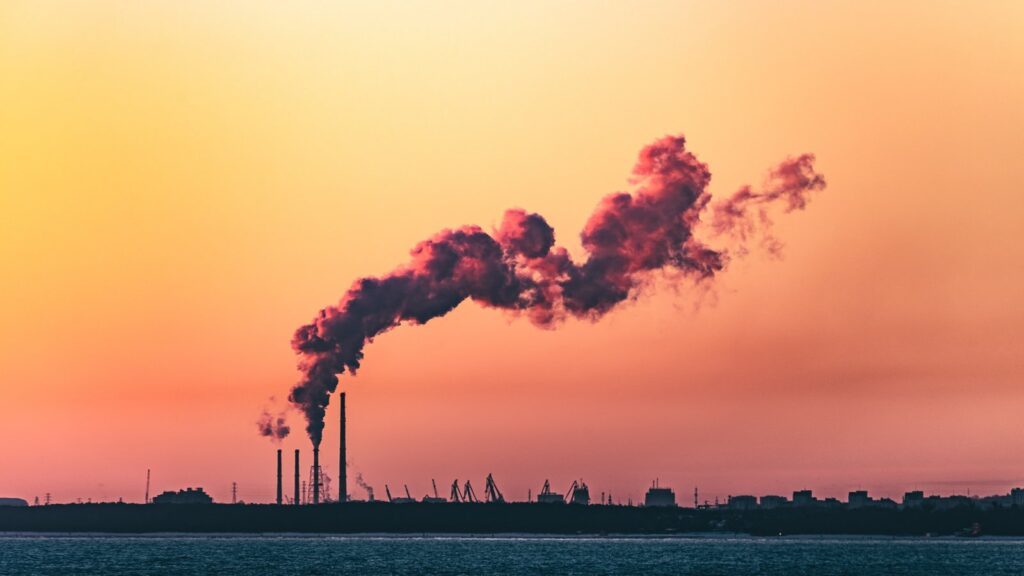
- Human activity is the main cause of climate change, the 2 main culprits being the burning of fossil fuels and the conversion of land from forests to agriculture.
- Burning fossil fuels produces carbon dioxide, which is a greenhouse gas. Greenhouse gases produce a “greenhouse effect,” which warms the earth just like a greenhouse is warmer than its surroundings.
- The main cause of human-induced climate change is carbon dioxide, which stays in the atmosphere for long periods of time. Other greenhouse gases such as nitrous oxide also stay for a long time. Other substances produce short-term effects.
- Although not all substances produce warming. There are certain aerosols that can produce cooling.
- There are also a few natural causes of climate change, such as volcanic activity, solar output, and the Earth’s orbit around the sun.
- Global warming can only be stopped by reducing global emissions of carbon dioxide from human fossil fuel combustion and industrial processes to zero. But even with zero emissions, the global temperature will remain constant at its new warmer level (1).
- Most global emissions come from the burning of fossil fuels to generate electricity and heat. Greenhouse gases blanket the earth and trap the sun’s heat.
- Globally, a third of electricity is from wind, solar, and other renewable resources that emit little to no greenhouse gases or pollutants into the air.
- Manufacturing and industry produce emissions, largely from the burning of fossil fuels used to generate energy needed to make things like cement, iron, steel, electronics, plastics, clothes, and other goods.
- Deforestation, along with agriculture and other land use changes is responsible for around 1/3 of global greenhouse gas emissions.
- Producing food also causes emissions of carbon dioxide and other greenhouse gases. This is because of deforestation for agriculture and grazing, digestion from cows and sheep, production and use of fertilizers and manure, and the use of fossil fuels to run farm equipment and fishing boats. There are also greenhouse gas emissions that come from the packaging and distribution of food (2).
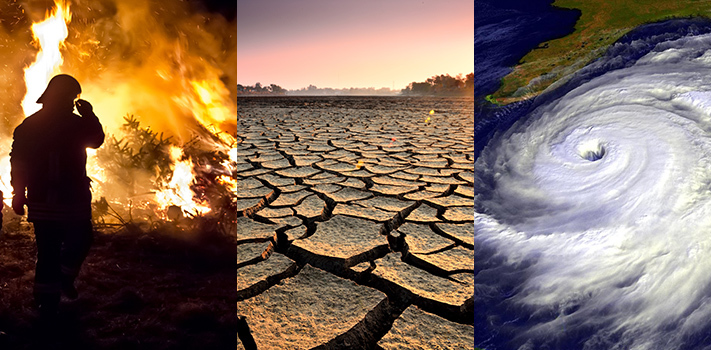
- Detailing and discussing the human causes of climate change is not meant to shame people or make them feel guilty about their choices, but rather about defining the problem so that we can get to effective solutions.
- Another huge human cause of climate change is transportation. The trucks, cars, boats, and planes that we use to transport ourselves and our goods are a major source of global greenhouse gas emissions. (In the US they are actually the single largest source.)
- The burning of petroleum-based fuel in combustion engines releases large amounts of carbon dioxide into the atmosphere. Passenger cars account for around 41% of those emissions, with the typical car releasing about 4.6 metric tons of carbon dioxide per year.
- But trucks are by far the worst polluters on the road, running almost constantly and burning diesel fuel. Even though trucks are only 4% of American vehicles, they emit 23% of all greenhouse gas emissions from transportation.
- The decisions we make each day as individuals like which products we purchase, how much electricity we consume, how we get around, what we eat (and what we don’t,) all add up to our single unique carbon footprints.
- Things like agriculture, road construction, and deforestation can change the reflectivity of the Earth’s surface, leading to local warming or cooling. You can see this effect in heat islands, which are urban centres that are warmer than their surrounding, less populated areas (6).
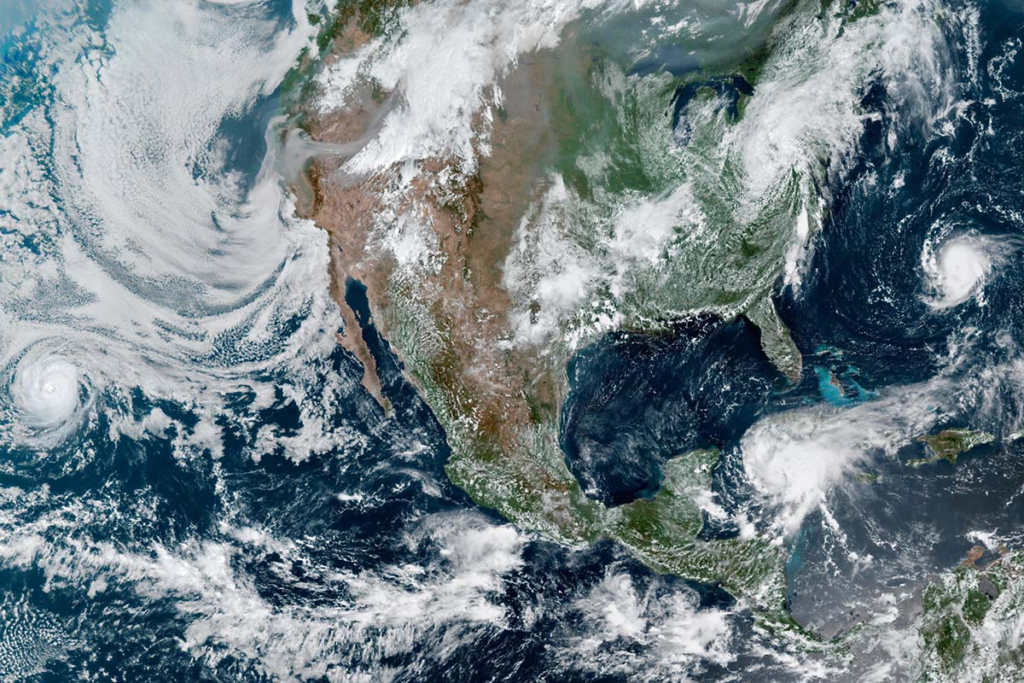
- The climate change evidence can feel overwhelming, and it can often feel like we are too small to achieve any real change (7).
- All of the big climate-affecting decisions made by utilities, industries, and governments are shaped by us; our needs, our demands, and our priorities.
- To win the fight against climate change we will need to rethink those needs, ramp up demands, and reset priorities. The short-term thinking that enriches these corporations has to give way to long-term planning that strengthens communities and secures the health and safety of everyone (3).
- A few changes we can make in our daily lives are learning to recycle properly, using renewable energy sources, and making your commute greener.
- Recycling properly can be a hassle, and it’s difficult to know what is and isn’t recyclable, but recycling remains an effective and important way to reduce your carbon footprint.
- Using renewable energy sources doesn’t have to be as big as buying an EV or installing a home solar array. You can find a green energy provider or replace your fluorescent light bulbs with LED.
- Making your commute greener means avoiding gas-powered vehicles. Whenever possible, hop on your bike, public transportation, or take a nice walk (4).
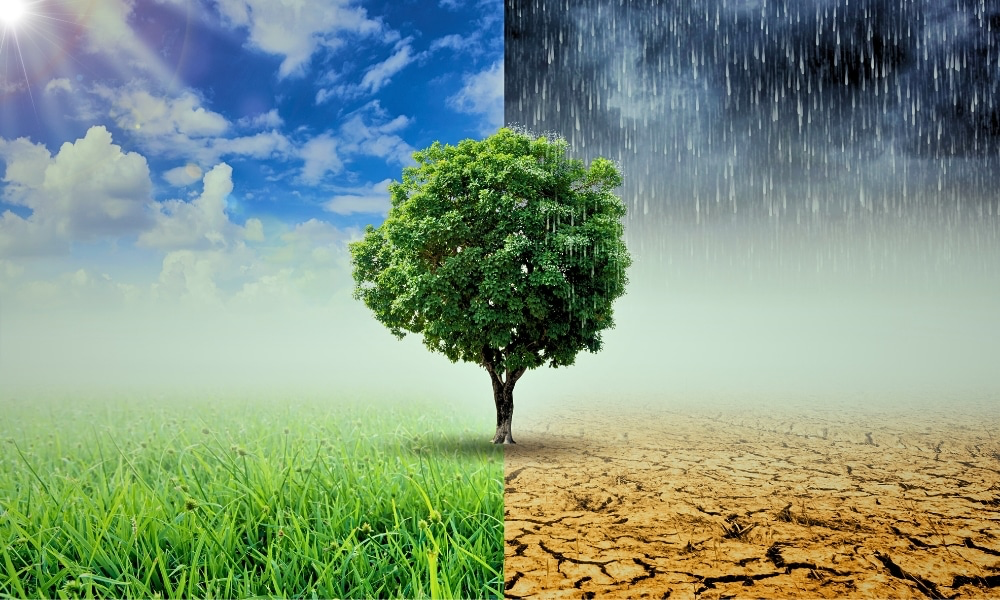
- Humans have caused major climate changes to happen already, and we have set in motion more changes. But if we stopped emitting greenhouse gases today, the rise in global temperatures would begin to flatten within a few years.
- Temperatures would then plateau but remain well-elevated for many centuries. There is a lag in time between what we do and when we feel it, but that lag is less than a decade (5).
My final round of research will be centred around the biggest impacts of climate change. What has it done to our planet and communities? How has it affected marine life and animals on land? These are the types of things I would like to know more about. This round will give me more insight on the true damage climate change has caused, and just how worried we need to be about this growing issue. Thank you for reading!!
References:
- Government of Canada (2019) Causes of Climate Change | Retrieved from https://www.canada.ca/en/environment-climate-change/services/climate-change/causes.html
- United Nations (2022) Causes and Effects of Climate Change | Retrieved from https://www.un.org/en/climatechange/science/causes-effects-climate-change
- J. Turrentine (2022) What Are the Causes of Climate Change?
- M. Weeden (2024) 27 Ways to Prevent Climate Change
- NASA (2024) Is it Too Late to Prevent Climate Change? | Retrieved from https://science.nasa.gov/climate-change/faq/is-it-too-late-to-prevent-climate-change/
- US Environmental Protection Agency (2025) Causes of Climate Change | Retrieved from https://www.epa.gov/climatechange-science/causes-climate-change
- I. Mihala (2025) What is Climate Change?