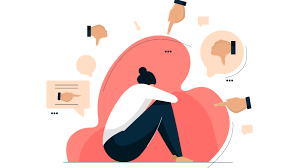
Hey everyone, welcome back to my blog! In my project plan, I mentioned that this post would focus on the mental impacts of social media on today’s generation. I’ll be looking at how apps like Instagram, TikTok, and Snapchat affect things like self-esteem, body image, anxiety, depression, and even our attention span. I want to understand how being online so much changes the way people think, feel, and see themselves. By learning about this, I’ll get a better idea of how social media influences mental health and our everyday lives.
Social media is basically everywhere now. It’s how we stay in touch with friends, keep up with trends, and share things about our lives. But even though it’s fun and entertaining, it can also mess with your feelings without you even noticing. These effects can start early and keep building the more time you spend online. Understanding this stuff is important because it helps us figure out how to use social media in healthier ways.
Effects on Mental and Emotional Well-Being
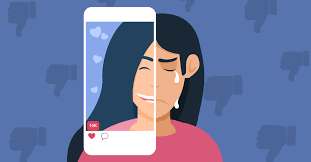
When we scroll through social media, we usually see the best parts of everyone’s lives.These things can be perfect photos, cool vacations, expensive clothes, and people who always seem happy (1)(2). For a lot of teens, it’s hard not to compare yourself to that. This can affect your confidence and make you feel like you’re not good enough (2). Body image is another big issue. Filters and editing tools can make people look totally different from real life. When teens see this all the time, they might start to feel insecure about their own appearance. Studies have found that heavy social media use can increase negative thoughts about yourself and cause emotional stress (1). There’s also the problem with attention span. Apps like TikTok are full of quick videos, which makes it harder for some people to focus on things that take more time, like homework or reading (3). Over time, this can affect schoolwork and how well you stay focused in general.
Impact on Relationships and How We Interact With Others
Social media doesn’t just affect us individually, it also changes how we interact with friends and family. A lot of teens deal with FOMO (fear of missing out). When you see your friends hanging out without you or doing something cool, it can make you feel left out or jealous (4). This can cause tension in friendships or make you feel insecure. Online communication also makes it easy for misunderstandings to happen. Texts and comments don’t always show tone, so people can take things the wrong way. Plus, some teens spend so much time online that they struggle with face-to-face conversations or feel awkward in real-life situations. Even families can be affected. Parents might not understand why their kids care so much about social media, and teens might feel like their parents are judging them. This can lead to arguments or stress at home when it comes to screen time or online behavior.

Coping Strategies and Healthier Ways to Use Social Media
To handle the mental effects of social media, it’s important to build healthier habits. Setting limits, like turning off notifications, putting your phone away during homework, or taking short breaks from apps can make a big difference (5). A lot of people also feel better when they unfollow accounts that make them compare themselves to others. Talking to someone you trust about your online stress can really help. Whether it’s a friend, parent, or counselor, it’s good to let someone know when you feel overwhelmed. Things like journaling, practicing mindfulness, or taking a “social media detox” every once in a while can help you refocus and feel more in control. Schools and youth programs also teach strategies for safer, healthier social media use. Learning how to understand online content better can help you avoid the pressure of trying to live up to unrealistic standards.

Conclusion
Social media plays a huge role in the lives of today’s generation. Even though it can be fun and a great way to stay connected, it also brings challenges like comparison, insecurity, anxiety, and distraction. These mental effects can impact how teens view themselves, their relationships, and even their ability to focus. Recognizing these impacts is the first step toward creating healthier online habits. With better communication, self-awareness, and boundaries, teens can use social media in a way that supports their mental well-being instead of hurting it.
For my next post, I’ll be researching the emotional impacts of social media in more detail. I’ll look into feelings like loneliness, sadness, and how social media can change the way people see themselves or their roles in their relationships. Understanding these emotions will help me learn more about how social media shapes the daily lives of today’s generation.
Thanks for reading my blog post!
Sources
- Pew Research Center – Teens, Social Media, and Mental Health
https://www.pewresearch.org/internet/2025/04/22/teens-social-media-and-mental-health - Journal of Technology in Behavioral Science – Time Spent on Social Media and Associations With Mental Health in Young Adults
https://link.springer.com/article/10.1007/s41347-024-00474-y - Harvard University – Attention Span and Digital Media
https://www.health.harvard.edu/blog/how-social-media-affects-attention - Pew Research Center – Teens and Social Media Relationships
https://www.pewresearch.org/internet/2023/09/20/teens-and-social-media - Mental Health Foundation – Healthy Social Media Use
https://www.mentalhealth.org.uk/explore-mental-health/a-z-topics/social-media-and-mental-health