
Question 2: how will international firms affect the local firms?
The advancement of cars and the subsequent technological changes will have a significant impact on local firms, particularly in the automotive sector. Here are some potential effects.

The competitive dynamics between international and local automobile firms are shaped by multiple economic, technological, and strategic factors.
In the intricate tapestry of globalization, political factors play a significant role in shaping local markets. Government policies and international relations are the threads that intertwine to create patterns of trade, investment, and economic development. These political elements can act as either catalysts for growth or hampers to market entry, depending on their nature and implementation. From the imposition of tariffs and trade agreements to the subtler influences of diplomatic relations and political stability, each aspect has the potential to significantly alter the business landscape
1. tariffs and Trade barriers: Governments often use tariffs and trade barriers to protect domestic industries from foreign competition. For example, in 2018, the United States imposed tariffs on steel and aluminum imports, affecting markets worldwide and prompting retaliatory measures.
2. Trade Agreements: Conversely, trade agreements and Single Market promote free trade by reducing or eliminating tariffs and standardizing regulations, thereby facilitating quick access to markets and fostering economic growth.
3. Political Stability: The level of political stability can greatly influence investor confidence. For instance, A stable political environment makes it an attractive destination for foreign investors, whereas political turmoil leads to economic decline and market contraction.
4. Foreign Policy: A nation’s foreign policy can also impact local markets. An ambitious foreign policy and economic strategy that aims to enhance regional connectivity and embrace a brighter shared future, which has opened new markets for goods and services.
5. regulatory environment: The regulatory environment, shaped by government policies, can either encourage or hinder market growth. Example: Singapore’s pro-business regulations have made it a global business hub, while stringent regulations in other countries may deter businesses from entering the market.
6. intellectual Property laws: Intellectual property laws, which vary greatly from country to country, can affect how businesses operate in different markets.
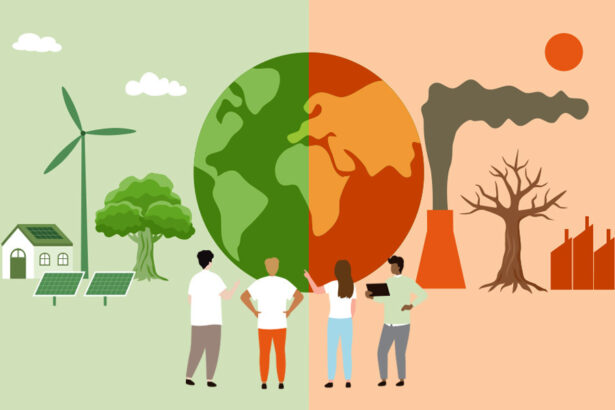
7. Environmental Policies: Environmental policies can also influence markets, as seen with the rise of green technologies and sustainable practices. This is because it aims to push markets towards sustainable products and services.
8. Diplomatic Relations: Lastly, diplomatic relations between countries can open up or restrict market opportunities for instance if a country relates well with each other there will be economic development thereby creating job opportunities internally and also externally.
Government policies and international relations are dynamic forces that can shape the success and direction of local markets. By understanding these political factors, businesses can better navigate the complexities of globalization and leverage opportunities for growth and expansion.


Hey Grace, you have a bodacious blog post. Am also eager to know about the effects of car advancement on global market and whether they will be positive or negative.