Introduction
This is the third round of research where I continue to investigate how human barriers such as roads , fences dams and urban development alter migratory routes and affect population viability . Migration is a key ecological process that allows species to access seasonal resources reproduce and maintain healthy genetic diversity across landscape . This are some of my findings of this research .
1.Blocking migratory routes
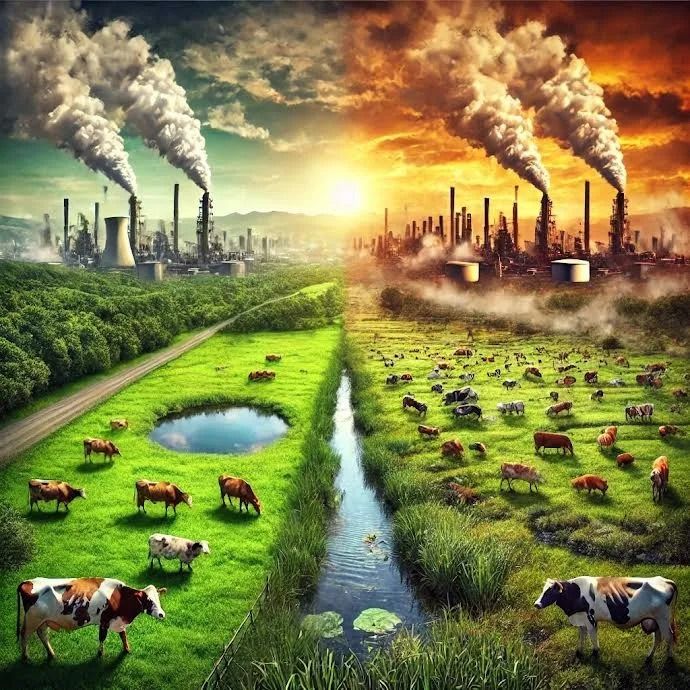
Many animals depend on migration to survive because food and water are not available in the same place all year when human build roads , cities , fences or farm across natural routes , they physical block the paths animals have used for thousands of years . Some animals when they try to cross those barriers are injured or killed especially in roads
2.Reduced genetic diversity
When population are separated by barriers, they become isolated from each other and cannot easily mix. This means animals only breed within small groups instead of a large connected population. This genetic diversity which is the variety of genes within a species .Loe genetic diversity are dangerous because it makes population weaker and less able to adapt to changes such as new diseases or climate shifts inbreeding also becomes more common which can birth defects and weaker immune systems
3.Higher death rates
Human barriers increase the number of animals death in several ways. Roads are especially dangerous because animals are often hit by vehicles when crossing roads .This is common for large mammals like deer , elephants and antelopes but also affects smaller animals .Fences can trap or injure animals when they try to climb . Some fences also prevent animals from reaching water during dry season leading to dehydration
4.Disruption of breeding cycles
Migration is closely connected to breeding in many species animals often travel to specific places. at specific times to reproduce succesfully. Human barriers delay or completly stop these journeys . If animals arrive late to breeding grounds they may miss the best time for mating and this reduces the number of offsprings
5.Disruption of feeding
Animals need to reach seasonal feeding areas to build energy reserves for survival and migration . When barriers block access to these feeding grounds animals may not get enough food This leads to poor body condition lower strength and reduce ability to travel long distances
6.Human wildlife conflict
When animals can follow normal migration routes they may enter farms , villages or towns in search of food or water . This often leads to conflict with humans .Farmers may try to chase ,trap or kill animals that damages crops or their property .this increases death rates and creates negative attitudes towards wildlife.
7.Habitat separation
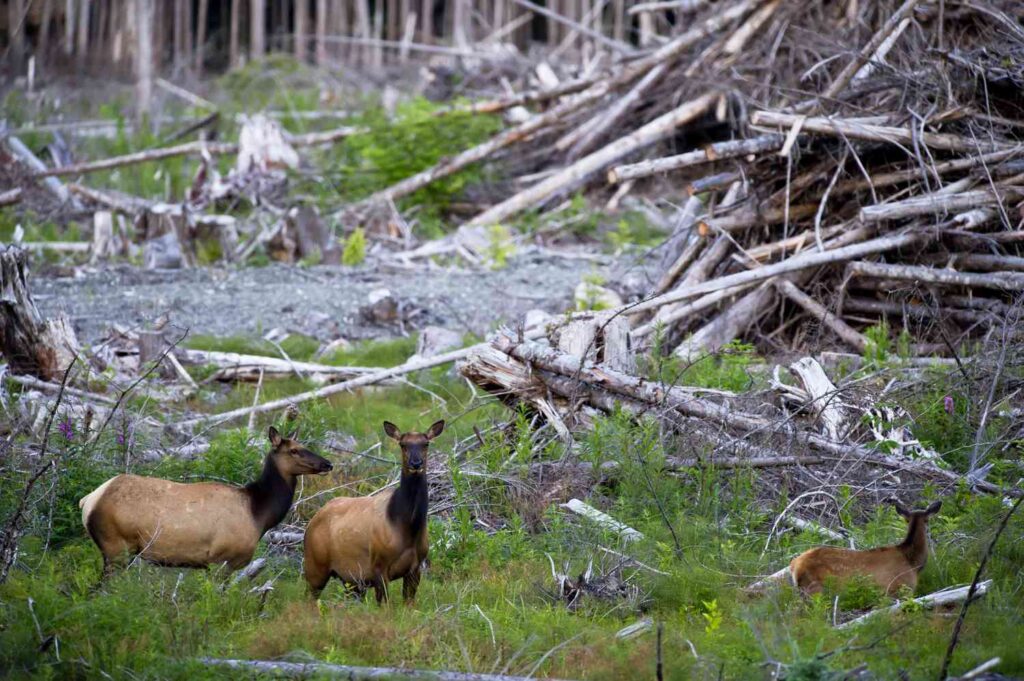
Habitat separation happens when a large natural ecosystem is spilt into smaller pieces by human development , instead of one continuous habitat animals are left in isolated patches surrounded by roads , buildings or farmlands . This smaller patches often cannot support large population because they make lack enough food , shelter or breeding spaces . Animals also find it harder to move safely between patches
Conclusion
Human barriers do more than block movement they change how animals live ,reproduce and survive those changes weakens entire populations and ecosystem .
sources
1.Nilsson C. Reddy C.(2005) separation and flow regulation of the world large river systems
2. Laurance W.(2009) Impacts of roads and linear clearing on tropical forest , biological conservation
3.Ferman R. (1998) Roads and their major ecological effects
4.Nathan R.(2008) to movement ecology paradigm for unifying organism movement research
5.Trombulak S.c(2000) Review of ecological effects of roads on terrestrial and aquatic communities