1. Research Roadmap (Blog Posts #3, #4, and #5)
To examine how sleep deprivation impacts reaction time and decision-making in high school athletes, I am breaking my research down into three distinct phases.
Round 1 (Blog Post #3) — Neural Transmission & Visual-Motor Reaction Time
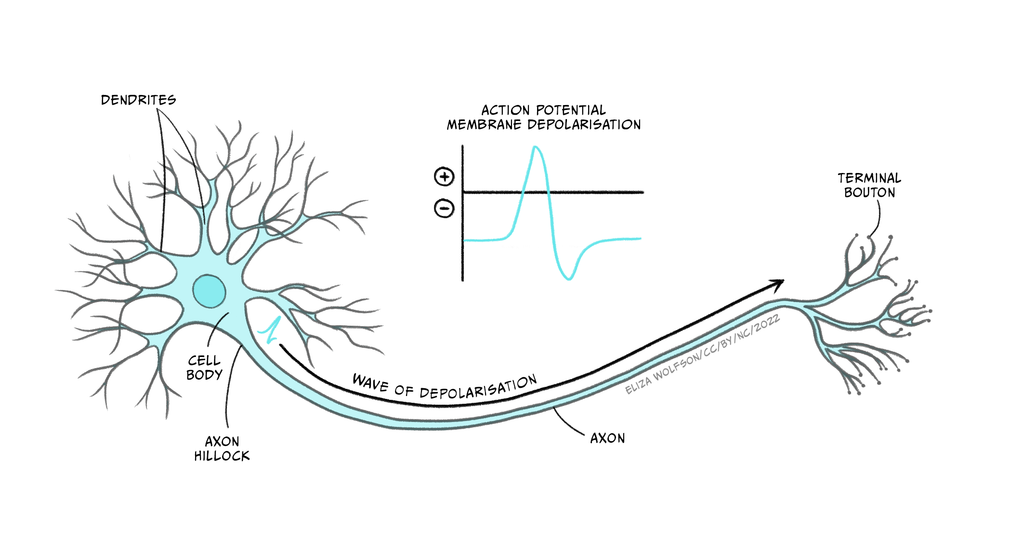
I will start by researching the neurological side of sleep loss. When an athlete is fatigued, processing speed in the prefrontal cortex slows down, directly delaying how fast the brain sends signals through the central nervous system to the muscles. Investigating simple versus choice reaction time tests will show why a sleep-deprived brain struggles to track fast-moving objects or execute immediate physical adjustments.
Round 2 (Blog Post #4) — In-Game Decision-Making, Spatial Awareness & Risk Assessment
This step focuses on tactical choices and cognitive performance under pressure. I will examine how sleep restriction impairs cognitive-motor control, spatial orientation, and response inhibition, which is the brain’s ability to filter out distractions and prevent hasty errors. This will help explain why exhausted athletes tend to make more unforced errors, misread plays, or hesitate during crucial moments in a game.

Round 3 (Blog Post #5) — Physical Output vs. Mental Recovery & Practical Solutions
The final post will address an interesting finding in sports science: while raw physical power like sprint bursts or jump height can sometimes hold up during partial sleep loss, mental focus and reaction times take a direct hit. I will explore realistic recovery strategies, such as target sleep extension, strategic napping, and routine adjustments that high school students can actually stick to while managing school and sports.

2. Preliminary Sources
- Mah, C. D., Mah, E. K., Kezirian, E. J., & Dement, W. C. (2011). The Effects of Sleep Extension on the Athletic Performance of Collegiate Basketball Players. Sleep, 34(7), 943–950.
Why it’s useful: A peer-reviewed study indexed on PubMed showing how increasing sleep duration directly improves free-throw accuracy, three-point percentage, sprint speed, and reaction times in team sport settings. - Fullagar, H. H., Skorski, S., Duffield, R., Hammes, D., Coutts, A. J., & Meyer, T. (2015). Sleep and athletic performance: the effects of sleep loss on exercise performance and recovery. Sports Medicine, 45(2), 161–186.
Why it’s useful: A systematic review explaining that while anaerobic strength might stay steady after partial sleep loss, cognitive tasks, sub-maximal endurance, and sports-specific accuracy drop off significantly. - Simpson, N. S., Gibbs, E. L., & Matheson, G. O. (2017). Optimizing sleep to maximize performance: implications and recommendations for elite athletes. British Journal of Sports Medicine, 51(14), 1072–1085.
Why it’s useful: Breaks down how acute and chronic sleep restriction impair visual processing, split-second decision-making, and central nervous system recovery. - Taheri, M., & Arabameri, E. (2012). The effect of sleep deprivation on choice reaction time and anaerobic power of college athlete students. Asian Journal of Sports Medicine, 3(1), 15–20.
Why it’s useful: Focuses specifically on student-athletes, analyzing open-access data on how sleep loss creates significant delays in choice reaction time compared to baseline rest. - Paruthi, S., et al. (2016). Recommended Amount of Sleep for Pediatric Populations: A Consensus Statement of the American Academy of Sleep Medicine. Journal of Clinical Sleep Medicine, 12(6), 785–786.
Why it’s useful: Establishes clinical baseline recommendations for adolescent sleep needs and outlines the cognitive consequences of chronic sleep debt in high schoolers.
3. Real-World Impact
Personal Impact
As a student-athlete balancing club and school teams alongside high school coursework, late nights and early morning practices are part of my regular routine. Researching this question gives me a clear look at what is actually happening to my nervous system when I trade sleep for late-night studying or early workouts. It will help me make smarter choices about my own sleep schedule so I can perform at my best on game day without sacrificing grades or health.
Community Impact
In high school sports culture, there is often a mindset that pushing through exhaustion is just part of being dedicated. Athletes, coaches, and parents routinely treat sleep as an afterthought compared to late-night homework or extra training sessions. By laying out the actual data on reaction time, cognitive lag, and injury risk, this project can help start a realistic conversation in local athletic programs about treating rest as a key part of training rather than a weakness.