

1. Three Steps for My Research
Step 1: Understanding How Ultrasound Technology Works and Its Importance in Healthcare (Blog #3)
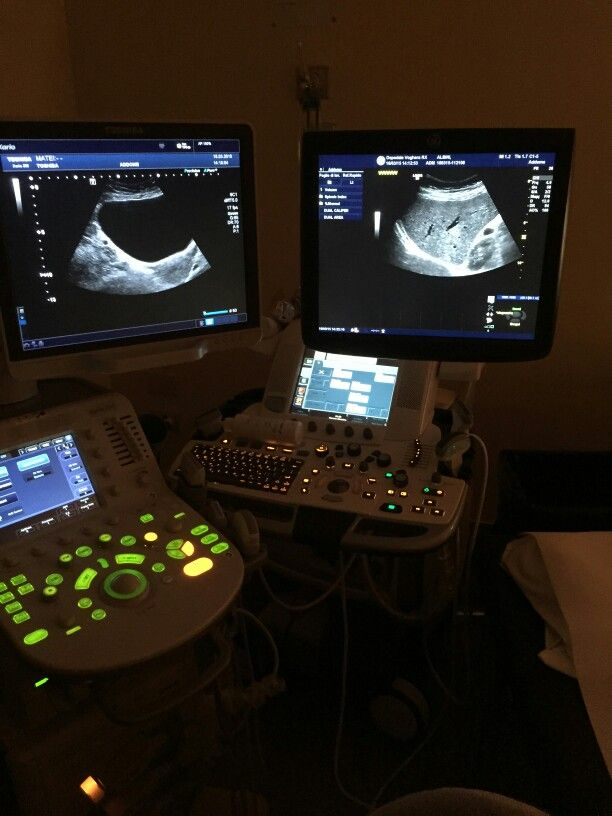
For my first round of research, I will focus on understanding how ultrasound technology works and how it is used in healthcare today. I will research how ultrasound machines use high-frequency sound waves to create images of structures inside the human body. I will also investigate the different types of ultrasound examinations and their purposes, including pregnancy ultrasounds, echocardiograms for examining the heart, and ultrasounds used to examine organs and blood vessels. In addition, I will explore why ultrasound is useful for diagnosing medical conditions and how it allows healthcare professionals to see certain structures and movements inside the body in real time.
This research will help me build a strong foundation for my inquiry question because I need to understand how ultrasound works before I can explain how it has changed medicine. I will learn about its benefits, such as not using ionizing radiation, and how it can help doctors make informed decisions about a patient’s health. By the end of this research round, I hope to understand why ultrasound is an important tool in modern healthcare and how it supports the diagnosis and monitoring of different medical conditions.
Step 2: Investigating the Benefits, Limitations, and Development of Ultrasound Technology (Blog #4)
For my second round of research, I will investigate how ultrasound technology has developed over time and how it compares with other medical imaging methods. I will explore how improvements in ultrasound machines have made it possible to produce clearer images and examine the body in greater detail. I will also research different advancements, such as 3D and 4D imaging, Doppler ultrasound for examining blood flow, and portable ultrasound machines that can be used in different healthcare settings.
Along with these advancements, I will investigate the limitations of ultrasound technology. For example, ultrasound waves do not travel well through air or bone, meaning ultrasound is not the best imaging method for every part of the body. I will compare ultrasound with other imaging techniques, such as X-rays, CT scans, and MRI, to understand why healthcare professionals choose one method over another depending on the patient’s needs.
This research will help me evaluate how ultrasound has improved medical care while also recognizing that it cannot replace every other type of medical imaging. Comparing the advantages and disadvantages will allow me to develop a more balanced understanding of ultrasound technology. It will also help me explain how improvements in medical imaging have affected the way doctors investigate health problems and decide on appropriate treatment.
Step 3: Exploring the Future of Ultrasound Technology and Its Impact on Patient Care (Blog #5)
For my third round of research, I will focus on the future of ultrasound technology and how new developments could improve healthcare. I will investigate how artificial intelligence, improved image processing, and smaller, portable ultrasound devices could affect the way medical professionals examine patients. I will explore how these technologies might help healthcare professionals interpret images, identify possible abnormalities, and perform certain examinations in places where access to medical equipment is limited. I will also consider the importance of having trained healthcare professionals who can interpret results correctly and make responsible medical decisions.
Another part of my research will focus on how these advancements could affect patients and communities. For example, portable ultrasound machines may make imaging more accessible in rural or remote areas where specialized healthcare services are limited. However, I will also consider challenges such as the cost of new equipment, the training required to use it, and the need to protect patient safety and privacy.
This final research round will help me bring together everything I have learned about ultrasound technology, its current uses, and its limitations. It will allow me to consider how future developments could make medical imaging more accessible and effective. By evaluating the potential benefits and challenges of these advancements, I will be able to form my own conclusion about how ultrasound technology may continue to change the diagnosis and treatment of medical conditions.
2. Sources for My Research
Link: https://health.nih.gov/health-topics-a-z/ultrasound
Link: https://www.fda.gov/radiation-emitting-products/medical-imaging/ultrasound-imaging
Link: https://www.radiologyinfo.org/En/Info/Genus
Link: https://www.nibib.nih.gov/science-education/science-topics/ultrasound
Link: https://www.radiologyinfo.org/en/info/medical-imaging
3. Implications for Myself and My Community
Implications for Myself
This project is important to me because I am interested in pursuing a career in healthcare, especially sonography. Researching ultrasound technology will help me understand how ultrasound technicians use medical equipment to help diagnose medical conditions. It will also teach me about the skills and education needed for this career. This project may help me decide if becoming an ultrasound technician is the right path for my future.
Implications for My Community
Ultrasound technology benefits my community by helping healthcare professionals examine patients and identify possible medical conditions. Learning about this technology will help me understand how medical imaging supports patient care. Future advancements, such as portable ultrasound machines, could also make medical imaging more accessible to people in rural and remote communities. This research will help me appreciate the importance of medical technology and trained healthcare professionals in improving people’s health.
Thank you for reading!