
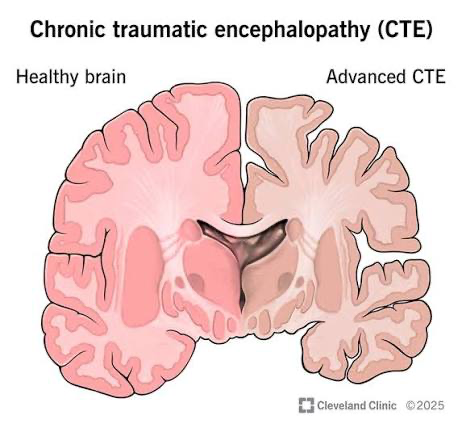
One of the biggest concerns when it comes to youth sports and brain development is the difference between a diagnosed concussion and repeated sub-concussive impacts. Many people believe that when an athlete gets hit in the head but does not experience symptoms, they have nothing to worry about because they may feel fine. This is incorrect, due to previous research that was done, it shows that this may not be the case all the time. Sub concussive impacts consists of hits, bumps, or jolts to the head that may not feel noticeable, but may still have an affect on our brains over time. (1) these are especially important to investigate because young athletes are the most common to experience this during extra curricular’s.

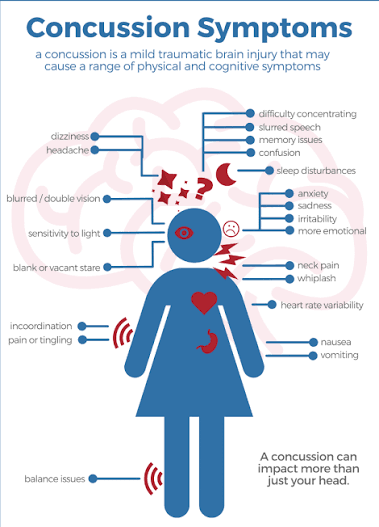
A medically diagnosed concussion is a type of traumatic brain injury that temporarily affects how the brain functions. Some common symptoms that may occur if you have a concussion are headaches, dizziness, confusion, nausea, difficulty concentrating, and memory problems. It is also important to know that concussions may also occur from small head injuries and losing consciousness is not required. Additionally, many athletes continue to play without realizing they have a concussion which can have lead to further issues leading on. (7) This is also very dangerous because an athlete may not recognize the injury and could experience additional impacts to the head before fully recovering, delaying the healing process and increasing the chances to further permanent damage. (4).
One thing that I found interesting while researching was how sub-concussive impacts can cause changes to the brain even when the athlete does not experience symptoms right away. According to research that was published in 2024, repeated sub-concussive impacts have been associated which changes in the brains white matter. (2) White matter is what helped different areas of the brain connect to one another allowing for the human body to function remotely. (2) These researchers have found that these changes that have occurred in athletes brains can be detected and determined after a very short period of time, due to the severity. It may only take up to one season for some athletes to have structural changes that are noticeable. (2) This also suggests that impacts that are left untreated and undiagnosed should not be considered harmless just because you may feel fine at the start. (3).
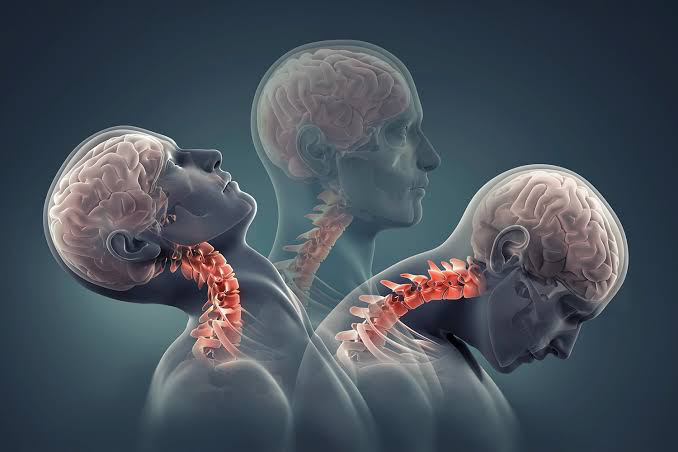
Another important thing is the amount of athletes this affects in our society today. Research has shown that athletes that experience more repeated impacts may show greater changes in certain measurements of brain structure. (6)(2) This can be very concerning for youth athletes who participate in sports that are considered to have more contact such as hockey, football, and soccer. (6) Even is each impact may seem very minor, the repeated exposure could potentially contribute to a big change over time. (3) A study was done by JAMA Ophthalmology and they examined 12 high school football players throughout their entire football season. They recorded a total of 8,009 impacts amongst all the players that were to the head. (5) This study also found some significant changes in player’s near point coverage, which is what determines how well their eyes work when needing to fully concentrate on something. (5) The measurements began moving back toward their original levels that were taken at the beginning around the middle of the season; Even though the athletes continued to experience impacts. (5)
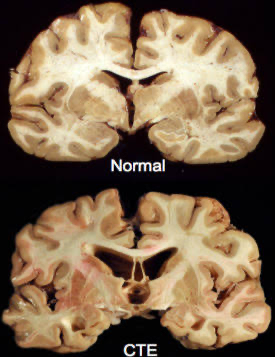
Another concern around repeated head impacts is the condition CTE or also known as Chronic Traumatic Encephalopathy. CTE is a progressive brain disease that is closely associated with long term exposure to repeated head injuries and impacts. (1) It was identified that many people that have been diagnosed seem to be athletes in their past, all participating in contact sports. (1) Researchers also believe that the number of head impacts and the length should be closely monitored when considering the factors that increase the development of this condition. (1) As this is very important, it does not mean that someone who has experienced a concussion will develop CTE for sure. This research that was done, was to determine if these head impacts were contributing to the condition rather than causing it, on its own. The CDC explains that there is no concrete evidence that proves that one or more concussions will lead to CTE. (1) Scientists are still investigating why some individuals may develop CTE and some may not, but this is something we are currently working on. (7)
This research is especially important because many young athletes participate in sports all throughout the year. Some athletes may play multiple sports and may not prioritize their injury because it is left undiagnosed and they are other extra curricular’s. (6) The concern is not from one impact but the possibility to multiple is what concerns me, especially when it comes to long term effects to the brain especially when it is hard to notice any major damages. (2) This research also connects to how important athletes, coaches, and parents should take head injuries even when the athlete appears to be fine. (7)
- https://www.cdc.gov/traumatic-brain-injury/about/repeated-head-impacts.html
- https://pubmed.ncbi.nlm.nih.gov/38857880/
- https://pubmed.ncbi.nlm.nih.gov/29402530/
- https://www.ncbi.nlm.nih.gov/books/NBK185336/
- https://pmc.ncbi.nlm.nih.gov/articles/PMC6439716/
- https://pmc.ncbi.nlm.nih.gov/articles/PMC9222631/
- https://www.aboutkidshealth.ca/concussion