

My first inquiry question is: How do supportive and encouraging coaches affect teen athletes confidence?

Supportive and encouraging coaches can build teen athletes confidence by helping them recognize their progress and believe in their abilities (1). When coaches recognize effort instead of only celebrating wins, athletes learn that improvement matters, even when they lose (2). Setting achievable goals gives teens opportunities to experience success and develop trust in their skills (1). Reaching these goals gives athletes clear evidence that their practice is paying off (1). Encouraging athletes to try new skills can help them become more willing to take on challenges (1). Coaches can also build confidence by treating mistakes as learning opportunities rather than reasons for embarrassment (1). After an error, pointing out what went well and explaining what to change gives athletes a useful path forward (2). This approach allows coaches to correct mistakes without relying on harsh criticism (2). Research on the Mastery Approach to Coaching, which emphasizes effort and personal improvement, has found benefits for young athletes’ self-esteem (2). The approach has also been linked to lower performance anxiety, helping athletes feel less overwhelmed by the pressure to perform (2). Supportive coaching can improve coach-athlete relationships and create greater mutual respect (2). Together, these experiences can help teens develop confidence based on learning and preparation rather than depending entirely on winning (1, 2).
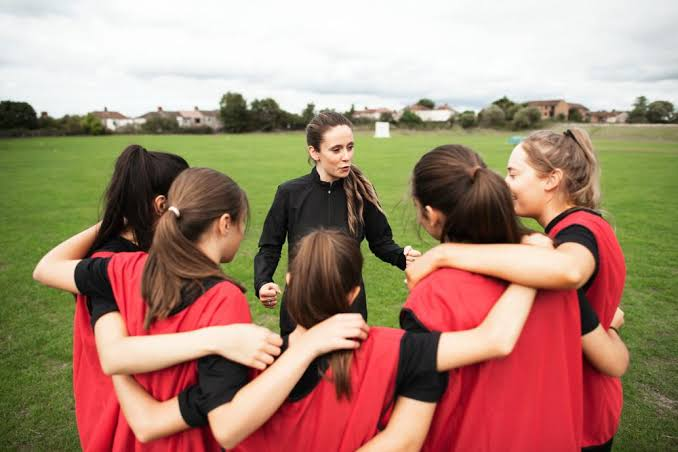
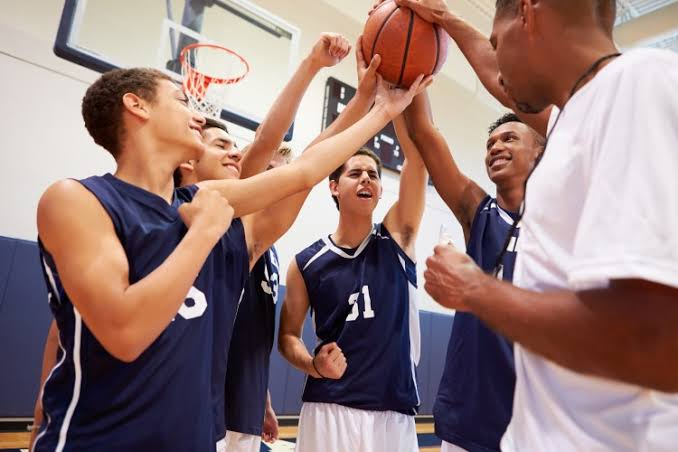
Supportive coaches also help teen athletes feel capable, included, and involved in their own development (3). Research connects coaches’ support with athletes feeling more competent, meaning they feel able to meet challenges in their sport (3). Support is also linked to a stronger sense of belonging, which means feeling connected to others rather than feeling alone on the team (3). Coaches who allow athletes to share ideas and make appropriate choices support their independence (4). A systematic review found that this type of coaching is associated with more self-directed motivation among children and adolescents (4). This means athletes are more likely to participate because they value or enjoy the activity, rather than simply feeling pressured to obey (4). A larger review of sport and exercise research also connected autonomy supportive coaching with greater well being and less distress, although these findings were not limited to teens (5). Coaches who emphasize effort, enjoyment, and improvement can also make the team experience more positive (6). In a study of young basketball players, a coaching environment focused on personal improvement was more strongly related to enjoyment than the team’s win-loss record (6). Athletes who experienced this environment also expressed a stronger desire to play for the same coach again (6). More recent youth-sport research found that supportive environments created by both coaches and teammates were associated with greater enjoyment and stronger intentions to continue playing (7). Overall, encouragement works best when coaches combine it with useful feedback, achievable challenges, and opportunities for athletes to see their own growth (1, 2).
Sources
2. Put me in, coach: How to spark kids’ love of sports
5. Autonomy support in sport and exercise settings: a systematic review and meta-analysis
6. Motivational coaching climate outscores winning for young athletes | UW News