
Step one of my research: Ancestral psychology research
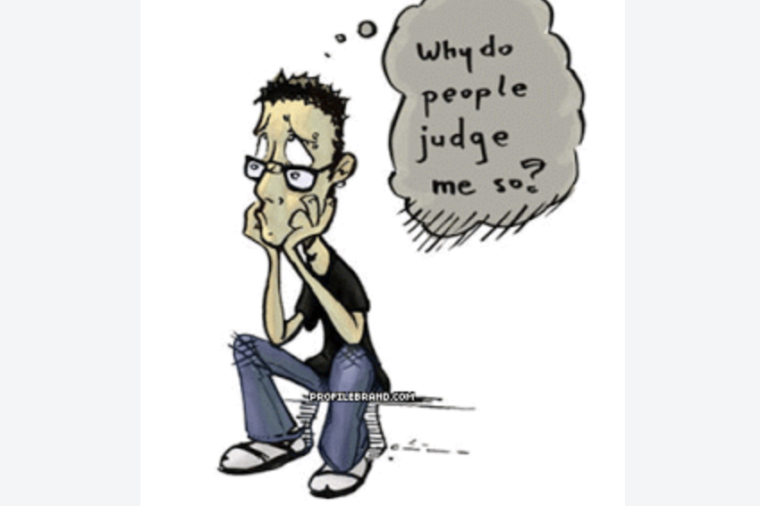
I am researching ancestral psychology because it will allow me to understand where human bonds and connection originates from. One of our more enduring social fallacies is the idea that what others think of us actually matters (1). People are constantly thinking about others and their thoughts, which is waste of time and energy. Modern day society and it’s unrealistic expectations has caused humans to be insecure and overly dependant on others. Going back to the roots of these ideas will be key to learn about how ancient ancestral interactions shape human minds today.
Human bonding dates back to the ice age, when our ancestors could not survive the cold without each other. Cooperation was necessary to find food, protect themselves from danger, raise children, and survive difficult conditions. Being accepted by the group therefore had significant survival advantages. If someone was disliked, untrusted, or excluded from their community, they could lose access to important resources and protection. Consequently, humans who were more aware of how others perceived them may have been better at maintaining relationships and avoiding rejection. Over decades, this need of survival slowly evolves into need for approval , which could have contributed to our strong desire for social acceptance. Unfortunately, our brains have not evolved since then, therefore, our behaviour in the modern era is still adapted for hunter-gatherer societies (2).
Our ancestors also had reasons to care about their reputations. Being viewed as trustworthy, cooperative, and helpful could make someone a more valuable member of their community. Other group members might have been more willing to cooperate with them, share resources, or establish relationships. On the other hand, someone with a poor reputation might have struggled to gain the trust and support of others. This meant that people’s opinions could have real consequences for an individual’s opportunities and well-being. People still care about how others perceive their character, achievements, and social status. While seeking approval from others may be inevitable, problems may arise depending on how far one goes down that road (3). For example, someone might try to appear intelligent, successful, attractive, or confident because they want to be respected and positively perceived by others. Although the consequences are different today, the underlying desire to maintain a good reputation has evolutionary roots.
Because social exclusion could have been costly for our ancestors, being sensitive to signs of rejection may have helped people maintain important relationships.This sensitivity can make us think carefully about how we behave around others. We may change our actions depending on the people around us because individuals are willing to go against their better judgment to fit in with a group(4). This helps explain why someone might overthink a conversation, worry about saying something embarrassing, or change their behaviour to avoid negative judgment. Even relatively minor social situations can feel important because our brains are very sensetive to social approval and rejection. At the end of the day, the only person’s opinion that matters, is you. There’s plenty of people who will love our real self and we can find them. It’s healthy to care, but not to change who we are based on that (5).

(1) Formica EdM, M. J. (2014, December 31). … And what we could gain if we can stop. Psychology Today. https://www.psychologytoday.com/ca/blog/enlightened-living/201412/why-we-care-about-what-other-people-think-of-us
(2) Suval, L. (2012, February 7). Why do we care what others think? Psych Central. https://psychcentral.com/blog/why-do-we-care-what-others-think
(3) Nader Bhurtun. (2021, January 24). The evolutionary psychology behind human behavior – an idea (by ingenious piece) – medium. An Idea (by Ingenious Piece). Medium. https://medium.com/an-idea/evolutionary-explanations-for-human-behavior-f8997a274dfe
(4) Shumway, K. (2016, July). Why do I care so much about what other people think? Deep Eddy Psychotherapy | Therapy & Counseling for Austin, Dallas, Houston, San Antonio, and Across Texas. https://deepeddypsychotherapy.com/therapy-other-people/
(5)Sage, C. (2023, October 24). Why do we care what others think? The science behind it. ILLUMINATION. Medium. https://medium.com/illumination/why-do-we-care-what-others-think-the-science-behind-it-8b8b131d32c6
Thank you for reading my third blog post!

Hi Ian. I found your explanation about how our ancestors depended on social groups for survival to be an interesting concept to grasp. I never thought about how our desire for approval today could be connected to the need for acceptance thousands of years ago. Plus, your point about people changing their actions depending on who they are around stood out to me. I think this connects really well to peer pressure, especially among teenagers in the modern world. I think you could explore why people sometimes go against their own beliefs just to fit in with a group. Whether their belief is religious, political, social, or something they have a strong opinion on, many could go against that belief just to fit in with someone. And following this, it might also be interesting to look at how people can become more confident in their own decisions without constantly worrying about being judged. Great post, I really enjoyed reading this.