My inquiry question: “How can teenagers influence one another’s well-being by challenging societies expectations, recognizing unconscious biases, and building meaningful connections?”
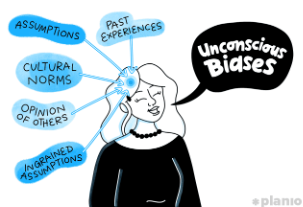
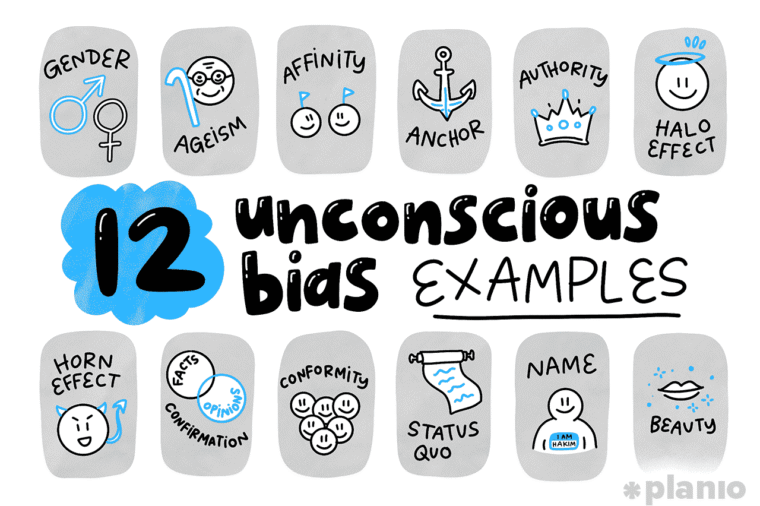
Welcome back to my inquiry blog post #4!! For my second round of research, I will investigate what unconscious biases are, how they develop, what influences them, and how they affect the way teenagers treat one another. Unconscious biases are automatic assumptions, associations, or judgments that people always make without realizing it. They can be influenced by our culture, media, personal experiences, social environments, and the attitudes of the people we surround ourselves with (1). As we grow up, we are constantly exposed to different beliefs and stereotypes, which can shape the way we perceive certain groups of people, even when we do not consciously agree with those stereotypes (5)(6). These biases may influence how we interpret someone’s appearance, behaviour, background, gender, or culture, potentially causing us to make unfair assumptions before getting to know them. Understanding where these biases come from is important because recognizing that our assumptions may be learned rather than factual allows us to question them and become more aware of how we treat others.
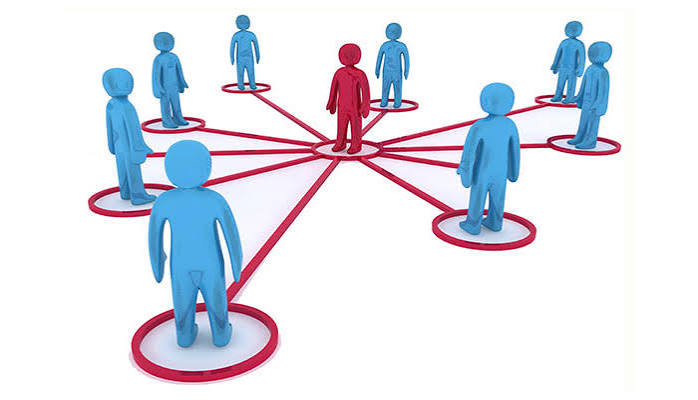
Unconscious biases can significantly influence teenagers’ relationships, social interactions, and overall well-being. During adolescence, friendships and peer acceptance become especially important, meaning that teenagers can be influenced by the attitudes and behaviours of the people around them. Research on peer attitudes and prejudice suggests that social relationships can play a role in the development of prejudiced attitudes toward others (3). When stereotypes or discriminatory attitudes become accepted within a friend group, they can contribute to exclusion, judgment, or unfair treatment of people who are perceived as different. Even when these behaviours are unintentional, they can negatively affect someone’s sense of belonging, confidence, and emotional well-being. This demonstrates how unconscious biases are not only individual thoughts but can also affect the social environment that teenagers create for one another (2).
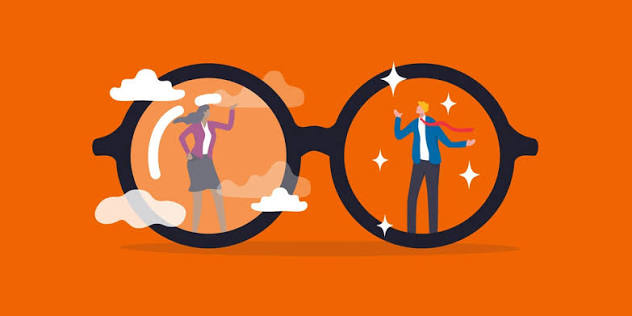
However, teenagers also have the ability to challenge these biases and positively influence one another. Recognizing unconscious assumptions requires individuals to question their first impressions, reflect on where their beliefs come from, listen to perspectives different from their own, and avoid judging people based on stereotypes. Research on creating inclusive environments emphasizes the importance of helping young people reject prejudice and discrimination and develop more inclusive attitudes toward others (4). Teenagers can contribute to this by speaking up when they witness unfair treatment, including others in conversations and activities, and encouraging their peers to treat people with respect. When someone challenges an unfair assumption instead of accepting it, they can influence the attitudes of others and help create an environment where people feel safer, accepted, and valued. This connects to my inquiry question: “How can teenagers influence one another’s well-being by challenging societies expectations, recognizing unconscious biases, and building meaningful connections?” because by becoming more aware of our biases and actively challenging them, teenagers can strengthen their relationships, encourage empathy, and create more meaningful connections that positively influence one another’s well-being.
Overall, my research helped me understand that unconscious biases are often influenced by our surroundings and experiences, but they are not impossible to change. Teenagers have the opportunity to recognize their assumptions, challenge unfair stereotypes, and influence the attitudes of the people around them. By choosing empathy, understanding, and inclusion over judgment, we can create stronger relationships and a more positive environment where everyone feels accepted and valued. This reinforces the idea that even small changes in how we treat others can make a meaningful difference in one another’s well-being.
Sources:
- Checking your browser – reCAPTCHA. (n.d.). https://www.ncbi.nlm.nih.gov/books/NBK545482/?utm_source
- Checking your browser – reCAPTCHA. (n.d.-b). https://pmc.ncbi.nlm.nih.gov/articles/PMC8630732/?utm_source
- Hjerm, M., Eger, M. A., & Danell, R. (2018). Peer attitudes and the development of prejudice in adolescence. Socius Sociological Research for a Dynamic World, 4. https://doi.org/10.1177/2378023118763187
- Rutland, A., Cameron, L., & Killen, M. (2024). Creating inclusive environments: enabling children to reject prejudice and discrimination. Annual Review of Developmental Psychology, 6(1), 203–221. https://doi.org/10.1146/annurev-devpsych-120920-041454
- Baron, A. S. (2015). Constraints on the development of implicit intergroup attitudes. Child Development Perspectives, 9(1), 50–54. https://doi.org/10.1111/cdep.12105
- NCCC :: defining. (n.d.). https://nccc.georgetown.edu/bias/module-1/