
Inquiry Question: How does sleep deprivation affect reaction time and decision-making in high-school athletes?
For my second round of research, I wanted to look past reaction speed and see how not sleeping enough changes the choices athletes make during a game. In fast sports, reacting fast only helps if you make the right play. When you are playing on five or six hours of sleep, your brain has a harder time reading the court or field, which leads to bad passes, sloppy fouls, and missed plays.
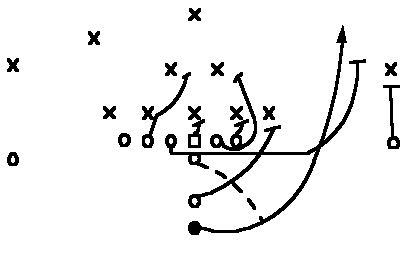
When you are tired, the part of your brain that controls focus and planning slows down (1). This makes it much harder to keep track of teammates and defenders at the same time, so your court awareness drops (1). Studies on athletes show that losing sleep makes it harder to adjust when a play breaks down or when an opponent does something you did not expect (2). Instead of reading the defense and making the smart play, a tired athlete is way more likely to force a risky pass or take a bad shot (2).
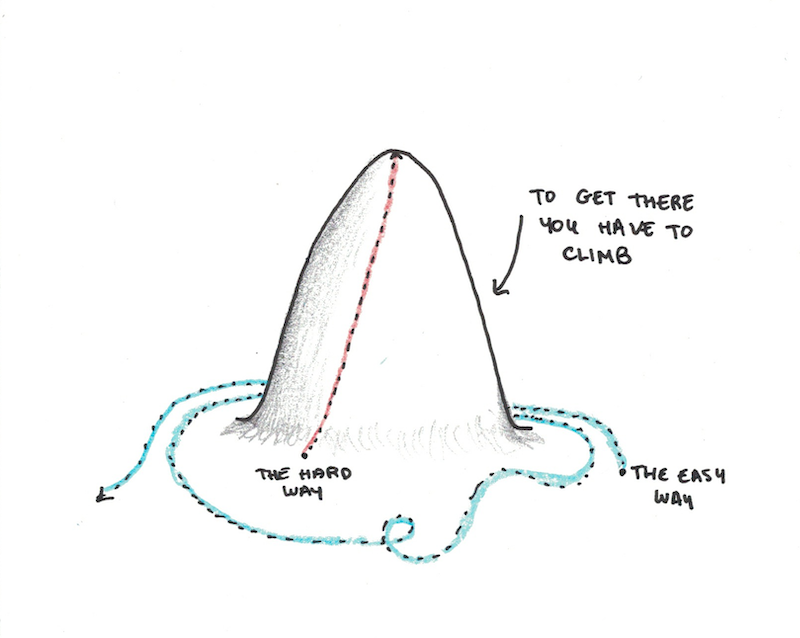
Being tired also changes how you judge risks when the game gets intense. Research shows that tired brains tend to ignore risks and focus too much on possible rewards, which causes careless mistakes late in a game (3). In basketball or soccer, this looks like reaching in for a bad foul because your feet are moving too slow, or losing track of the clock and score (2, 3). Even if your body feels warmed up, your mental focus fades much faster when you are running on low sleep (4).
Studies on teen and college athletes also show that getting enough sleep helps keep your game awareness sharp during tough games (4). When high-school athletes get closer to eight or ten hours of sleep, they make fewer simple mistakes and stay calmer under pressure (4, 5). Without that rest, small mental errors pile up and hurt how you play.
Next, for my last round of research, I will look at how sleep loss affects physical energy compared to mental recovery, and what simple habits teen athletes can use to stay sharp during a busy school week.
References
- Killgore, W. D. (2010). Effects of sleep deprivation on cognition. Progress in Brain Research, 185, 105–129. https://pubmed.ncbi.nlm.nih.gov/21075236/
- Fullagar, H. H., Skorski, S., Duffield, R., Hammes, D., Coutts, A. J., & Meyer, T. (2015). Sleep and athletic performance: the effects of sleep loss on exercise performance, and physiological and cognitive responses to exercise. Sports Medicine, 45(2), 161–186. https://pubmed.ncbi.nlm.nih.gov/25315456/
- Venkatraman, V., Chuah, Y. M., Huettel, S. A., & Chee, M. W. (2007). Sleep deprivation elevates expectation of gains and attenuates response to losses following risky decisions. Sleep, 30(5), 603–609. https://pubmed.ncbi.nlm.nih.gov/17552375/
- Watson, A. M. (2017). Sleep and athletic performance. Current Sports Medicine Reports, 16(6), 413–418. https://pubmed.ncbi.nlm.nih.gov/29135639/
- Paruthi, S., Brooks, L. J., D’Ambrosio, C., Hall, W. A., Kotagal, S., Lloyd, R. M., … & Wise, M. S. (2016). Recommended amount of sleep for pediatric populations: a consensus statement of the American Academy of Sleep Medicine. Journal of Clinical Sleep Medicine, 12(6), 785–786. https://pubmed.ncbi.nlm.nih.gov/27250809/