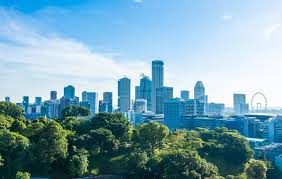
Hello and welcome back to my blog post featuring my final round of research on the topic of what can be done and possible solutions for the negative effects of urbanization. Finding a solution for urbanization is important for the sustainability of our environment for future generations. In this blog post I will share three possible solutions to help with the negative impact of urbanization. Three possible solutions are urban planning, improving public transportation, and managing waste and recycling.
Urban planning
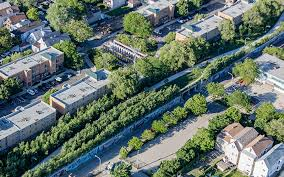
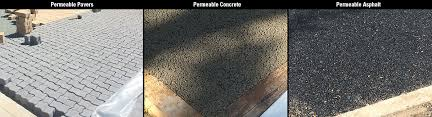
Urban planning is a multidisciplinary profession aimed at creating and developing urban areas in a way that best serves community needs while also being efficient and sustainable. The goal of sustainable urban planning is to ensure cities use land efficiently, minimize the impact on the environment, and improve the quality of life for residents. One of the best ways to achieve this is through the use of green infrastructure. Green infrastructure involves building with natural or semi-natural components to help with biodiversity and sustainability. Examples of green infrastructure include green walls, green roofs, permeable paving, and urban gardens. [1] Green walls are plants growing directly on walls or on nearby supporting structures to create vertical gardens. According to studies, these green walls enhance biodiversity, filter air pollution, and regulate indoor temperature naturally. They can also aid in reducing noise. [2] Green roofs provide similar benefits, such as temperature regulation and providing shade. [3] Permeable pavement, made from sand, gravel, or living plants placed inside plastic or fibrous grid systems, helps reduce pollutants, stormwater runoff, and prevent erosion. The design of permeable pavement allows water to seep into the soil, reducing erosion and trapping pollutants in the water. [4] Urban gardens improve air quality, support biodiversity, and promote health and wellbeing. Studies show that urban gardens encourage increased exercise, active lifestyles, stress reduction, mindfulness, and improved mental health. [5]
Improving Public Transportation
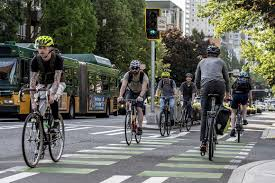
Improving public transportation is another crucial solution for mitigating the negative effects of urbanization. Effective public transportation systems reduce traffic congestion, lower greenhouse gas emissions, and provide affordable travel options for residents. Investing in public transportation infrastructure such as buses, trains, and trams can significantly decrease the number of private vehicles on the road, leading to reduced air pollution and improved urban air quality. [6] Enhancing the coverage and efficiency of public transportation networks makes it easier for people to commute without relying on personal cars, which helps in reducing the urban carbon footprint. Additionally, integrating smart technology in public transportation, like real-time tracking and efficient scheduling, can improve the user experience and encourage more people to use public transit. [7] Implementing policies that prioritize public transportation over private vehicles, such as dedicated bus lanes and congestion charges, can also support the shift towards more sustainable urban mobility. [8]
Waste Management and Recycling
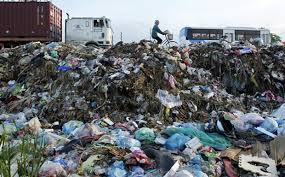
Managing waste and recycling is essential for addressing the environmental impacts of urbanization. Effective waste management systems help reduce pollution, conserve natural resources, and promote sustainable urban living. Implementing comprehensive recycling programs can significantly decrease the amount of waste sent to landfills and promote the reuse of materials. [9] Encouraging residents to separate their waste and providing accessible recycling facilities are crucial steps in improving recycling rates. Additionally, adopting waste-to-energy technologies can convert non-recyclable waste into energy, providing a sustainable solution for waste management. Urban areas can also benefit from composting programs that turn organic waste into valuable compost for urban gardens and green spaces. Promoting a circular economy approach, where materials are reused and recycled continuously, can help minimize waste and reduce the environmental impact of urbanization. [10]
Resources:
- https://toposmagazine.com/sustainable-urban-development/
- https://www.uts.edu.au/research-and-teaching/research/explore/impact/green-walls-its-time-grow
- https://www.epa.gov/heatislands/using-green-roofs-reduce-heat-islands
- https://www.nitterhousemasonry.com/blog/the-environmental-benefits-of-permeable-pavers/
- https://www.wilderness.org/articles/blog/how-urban-gardens-create-greener-healthier-cities
- https://www.uts.edu.au/research-and-teaching/research/explore/impact/green-walls-its-time-grow
- https://blogs.worldbank.org/transport/how-make-public-transport-attractive-option-cities
- https://www.kcata.org/about_kcata/entries/environmental_benefits_of_public_transit
- https://www.rts.com/resources/guides/types-waste-management/
- https://www.urbanet.info/waste-prevention-strategies-for-sustainable-urban-development/