
Blog post 4:What are the current regulations governing local businesses and multinational businesses.
WHAT DO REGULATIONS DO

1: Regulations ensure that products ,services and environment meet minimum safety stardards .exmples include:
a :food and drug regulations to prevent harmful substances ,Building codes that ensure structures are safe during disasters,Work place safety laws to protect employees from hazards.
2: Ensuring fair markets and competition
Without rules dorminant countries can exploit markets.Regulations
Prevent monopolies and anti-competive behavior ,Enforce fair trading activities, Protects small businEsses and consumers from exploitation.
3: Environmental protection
Regulations help prevent environmental degradation by ;Limiting pollution and waste , Conserving natural resources .

4 : promoting economic stability
In this area banking and finance regulations; Reduce risks of financial regulations ,Promote transparency and accountability, Protect investors and depositor’s .
5: Upholding social justice and rights
Regulations helps ensure and protect vulnerable populations by; Enforcing anti-discrimination laws, Regulating wages and working conditions ,Supporting access to essential services like education.
SOME REGULTIONS GOVERNING LOCAL BUSINESSES
Most countries implement a frame work to ensure fair ,transparent and efficient marketts ,protection of investors and reduce risk loss.
Common types of regulations
1: security laws and regulations
This laws govern the insurance and trading of financial instrument such as stocks and derivate’s. It`s purpose is to prevent fraud and ensure disclosure and maintains fair markets.
2: Market conduct rules
Rules that prevent market abuse such as :Market manipulation and illegal trading.
3; licensing and registration requirements
Entities like brakers , dealers ,exchangers and investment advisors are usually reqired to register with regulatory bodies. It`s purpose is to ensure only qualified participants engage in trading activities.
4: Capital and margin requirements
Regulatoins that require traders and financial institutions to maintain a minimum amount of capital or collateral . Purpose is to reduce credit risks and ensure financial stability .
5;Foreign exchange contracts
Some countries regulate or restrict the trading of foreign currencies to protect their economies.
6: Tax regulations
Trading profits are usually subject to capital gains or income taxes and reporting is often required . It`s purpose is to ensure proper taxation and trade taxations .
7: Environment ,social and governance (ESG) requirements
Some regulations require disclosure or trading restrictions based on (ESG).
WHAT ARE THE POPSITIVE AND NEGATIVE EFFECTS OF GOVERNMENTB REGULATIONS
POSITIVE IMPACTS
:1:REGULATIONS REDUCE EXTERNALTIES
- Regulations help internalize the social costs of economic activities. Regulations from having dominance over a countries trade .This promotes lacal trade in a country .
2:ENHANCES LONG-TERM LEARNING
- Businesses and investors benefit from regulatory clarity and predictability allowing them to plan allocate resources mere efficiently. Clear stable rules uncertainties allowing planners to make informed low risk decisions over years .Example ;environment laws, emissions standard’s and social impact assessment guide projects towards sustainability ,avoiding future liabilities or social backlash.
3:ENCOURAGES INNOVATION
Well enforced rules prevent monopolies practices and encourage competition , fostering innovation and entrepreneurship . Firms invest in research to meet targets , leading to new inventions like electric vehicles .Example ; Emission standards force companies to innovate objects which require less energy to run
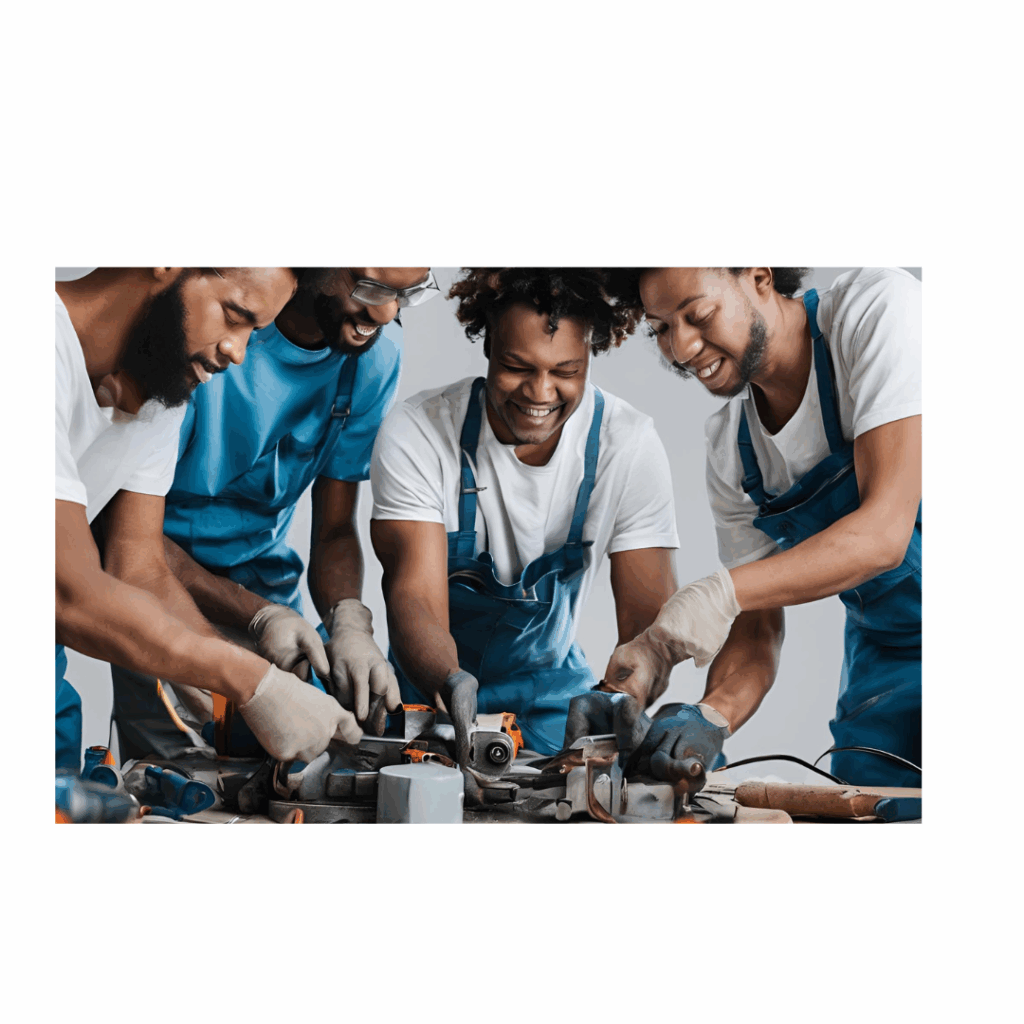
4:promotes equity among business men.
Anti- discrimination laws promote equal treatment to all people. Regulations ensure all participants in the market operate under the same rules and conditions ,regardless of their size ,background or influence. This helps prevent unfair advantages . Regulations reduce discrimination and create opportunity for diverse range of entrepreneurs to succeed.
6:HEALTH PROTECTION
Regulations ensure equity in offering health services without discrimination .Regulations ensure medicine and food consumed are safe and they meet the required standards. Regulations promote health protection by establish standards enforcing safety measures and guiding behaviors that prevent harm to individuals and the community all together.

7:FINANCIAL STABILITY
Regulations prevent fraud ,stabilize markets and reduce the risks of financial crisis. By creating rules and regulations that safeguard and reduce systemic risks., prevent financial crisis and protect both institutions and individuals .
NEGATIVE IMPACTS
1:REDUCED PRODUCTIVITY
Over strict or outdated regulations can hinder innovations and slow down operations. Firms must devote time and resources to understand ,implement and mrnitor compliance with regulations also time time spent on improving operations . Regulations can also restrict how organizations make decisions . They may also distort investment decisions that add not good to the people leaving in the surrounding areas.
2:BARRIER TO SMALL BUSINESSES
- Small firms often struggle more than large ones to bear the cost of complaince . Smaller businesses typically have financial and human resources , so the cost of compliying with regulations is more burdensome for them than for large companies .Example ; A food truck operator might have to meet the required health and safety starndards as a large restaurant which require more resources.
3:DISCOURAGES NEW ENTRANTS
- High regulatory hinders new competitions and new traders from entering into the trading sector. Regulatory approvals can take months or even an year . Long times can drain resources and delay returns on investment making new entry unattractive. A tech company developing a medical device might spend years going through FDA approval before selling the product.
4:SLOW TECHNOLOGICAL PROCESSES
- Innovation can be delayed due to long procedures from regulations made in a certain area of concern. Innovations may need extensive compliance standards even during the research and prototype stages , this raises the cost of innovation particularly for smaller players or early stage ideas. Example ; A biotech startup might spend milions ensuring regulatory compliance before testing a new genetic therapy.
5:PROMOTES CORRUPTION
- Regulations can be exploited by individuals for their own gain. Regulations can be exploited inform of tribalism and favorism When regulators or officials have broad discretion in how laws are applied ,they can abuse the power . This may lead to people paying bribes to smooth the process or avoid unfair punishment .
6: TRADE BARRIERS
- Deffering regulations between countries can complicate international trade and investment. Regulations requirements for import licenses restrict how much or what kind of goods can enter into nation . This limits foreign competition and protect domestic producers .
7:REDUCED TRUST IN GOVERNMENT
- Poorly designed or unfair regulations can lead to public losing trust and confidence in the government If regulations seem to favor certain groups while harming others e.g. , (small businesses) , people may view the system as unjust. Citizens may feel the rules are rigged , leading to cynicism and distrust .Example ;Big companies getting regulatory exemptions while small firms face strict enforcement.
8: INEQUALITY
- Some regulations may be favoring large corporations or specific groups , widening the inadequate group. Licensing and certification requirements can be expensive or time consuming creating obstacles for people with fewer resources .This prevents low- income individuals from entering certain levels of trade.
https://giaccentre.org/why-corruption-occurs
https://en.wikipedia.org/wiki/Trade_barrier
https://amlwatcher.com/blog/positive-negative-effects-of-government-regulations-on-businesses
https://www.mercatus.org/students/research/working-papers/regressive-effects-regulation
https://www.sanctionscanner.com/blog/impacts-of-government-regulations-on-businesses-312
Uk.procticalaw-thomsonreuter-com/w-ooo7-2231?trasition type…..


Hi Preston !. Nice topic. Exploring the regulations around local and multinational business is so relevant today. Your research could really help highlight important differences and guide better business practices .