I have 3 steps to be able to understand and answer this question to the best of my abilities. My steps will provide more context behind the concepts that I am researching and their importance into answering my inquiry question.
Step 1: Research more about implicit bias, social biases, mental shortcuts and cognitive blindspot
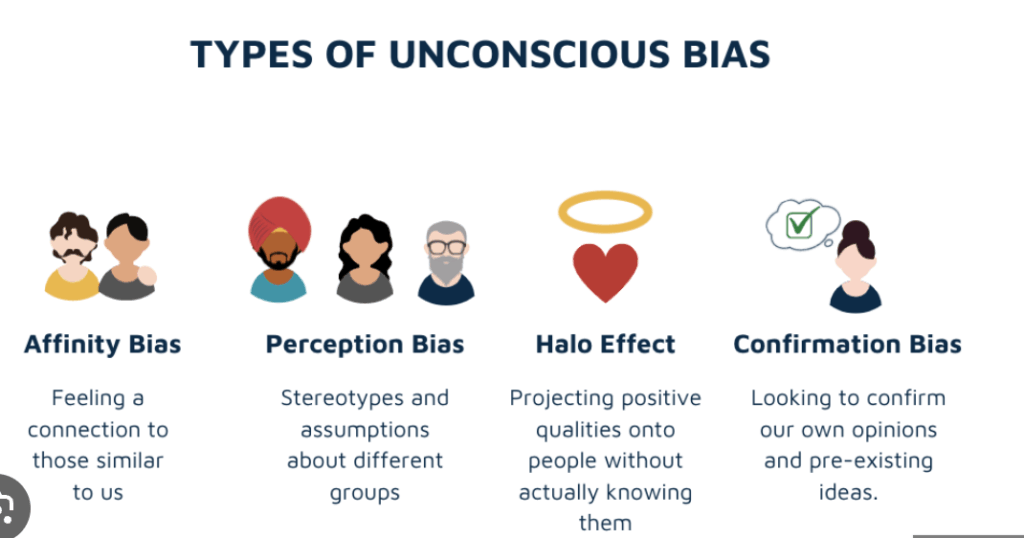
I have started my research into implicit bias, which as a base understanding our the unconscious attitudes and stereotypes we hold in our heads that we have about groups of people in society. This biases affect us without us realizing which cause us to hold judgement against people that seem different from us, or belong to a worldly stereotype. In this step, I will also explore more in social biases, which is categorized as discrimination against a group of people based on their gender, religion, ethnicity, etc.
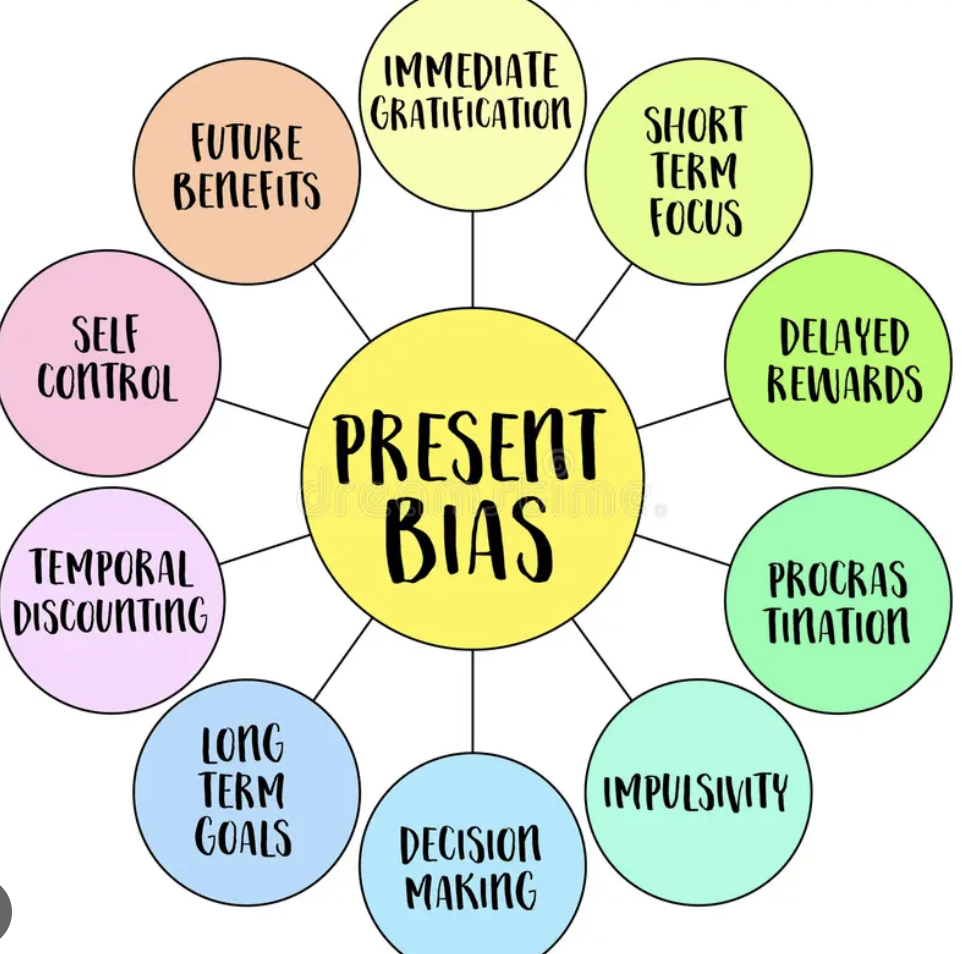
These biases come so easily and even though presented as big problems, humans are always quicker to judge groups of people. In this step, I will further delve into researching the reason behind why everybody has at least a few social biases that unconsciously guide our attitudes, which is due to mental shortcuts and cognitive blindspots. Mental shortcuts are the judgements that are brain makes to avoid thinking and to save time. Cognitive blindspots are the unconscious errors that we make without even realizing. Both these things lead to implicit biases and this step is going to explain this research in more detail.

Some sources that could help explain more about implicit biases and social biases are:
2. https://online.utpb.edu/about-us/articles/psychology/what-is-social-bias
Source that could help explain mental shortcuts and cognitive blindspots:
3. https://www.thoughtworks.com/insights/blog/customer-experience/cognitive-biases
Step 2: Research more about childhood perception
Perception in a whole is our brain’s method of organizing and interpreting the world around us. It involves using our 5 senses to make sense of the world and our place in it. Perception is greatly influenced from our life experiences, causing our perception to be bias and false. It is just our construction of reality and not the real truth even though it is hard for us to see life any other way.
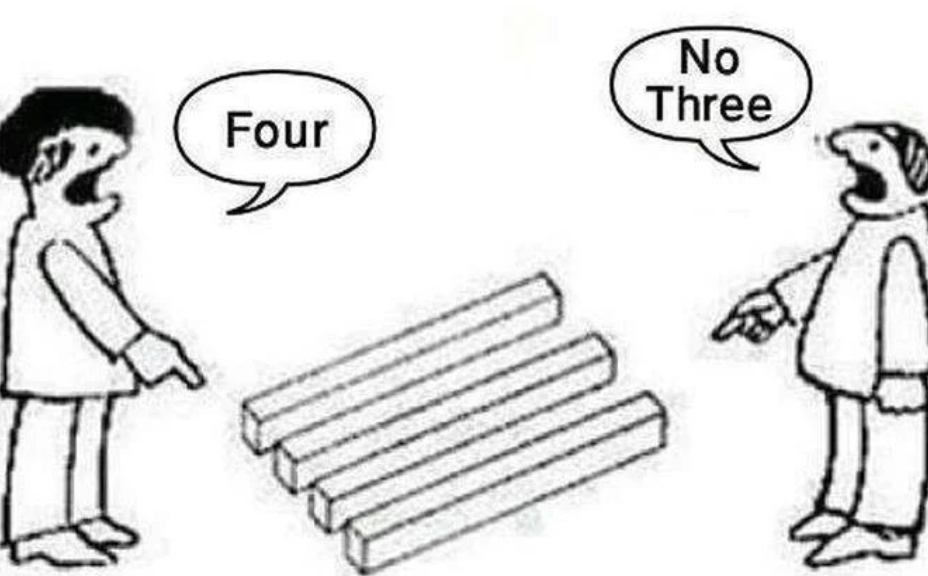
Childhood perception is based on our experiences and memories in childhood. We create our perception based on how we see ourselves, others and the world around us. Since the perception that we create in childhood is so strong, these beliefs can stay with us all our life, even if these perceptions are subjective and not based on real facts.
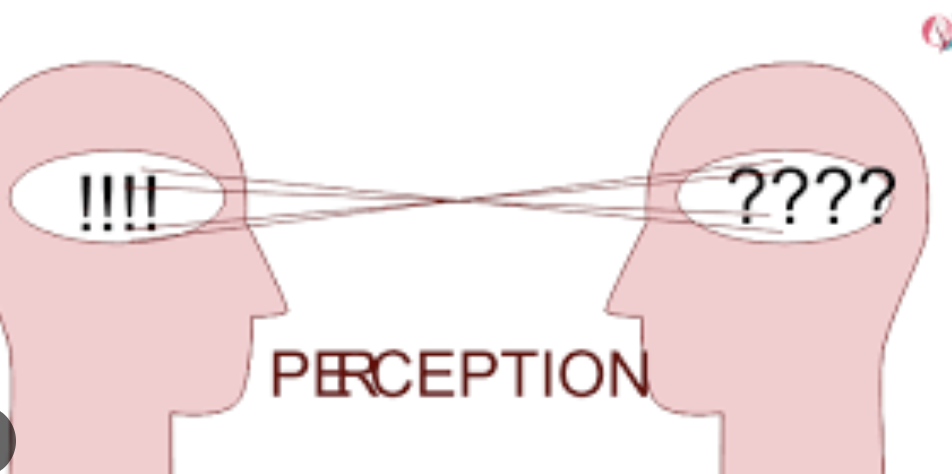
Researching more about childhood perception in step 2 is going to help me learn more about how these biases can affect the way we see the world and perceive it. With the addition of step 1, I can focalize my research on the brain, specifically how it develops in early childhood and how this can affect our social biases.
Source that can help explain perception:
4. https://www.verywellmind.com/perception-and-the-perceptual-process-2795839
Step 3: Research how these concepts are intertwined in our sense of self and core beliefs
My first two steps will help me now find step 3, where I am going to combine my research of implicit bias and childhood perception to figure out how this plays a role into our sense of self and core beliefs. Within my research I want to be able to explain why humans unconsciously stereotype groups of people and why we are always ready to judge. I want to research more about our core beliefs in this step based on how they are formed in childhood. These core beliefs are based off of experiences in childhood seem to have such a large impact on our beliefs in the future, impacting how we see ourselves, others and the world which can impact our mental health and even our personality in the future. We are all trying to figure out who we are and how we fit in the world and these beliefs can change our sense of self.
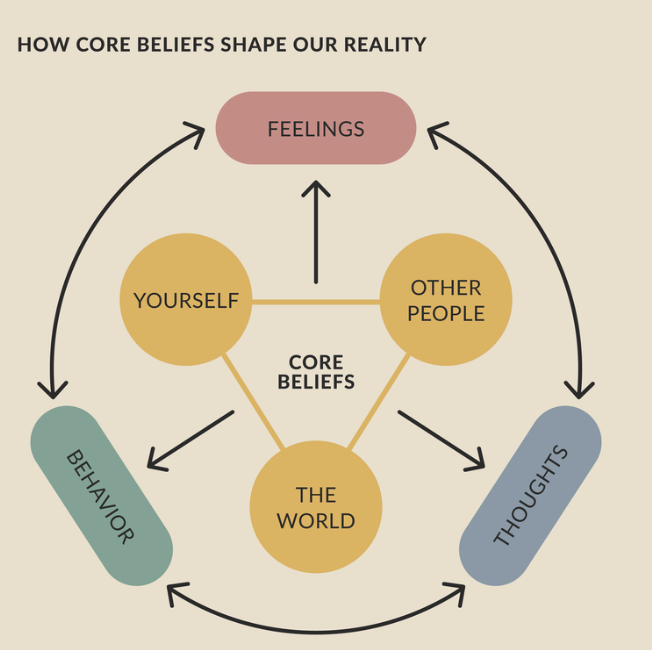
Researching about sense of self and core beliefs in my third step will help piece all the research together, to hope to answer my question of “what role does implicit bias play in shaping a child’s perception of themselves, others and the world?”.
Source that can help explain core beliefs:
5. https://www.medicalnewstoday.com/articles/core-beliefs
I believe that this question is of great importance to myself and my community. We are so quick to judge other people who are different than us and answering my inquiry question can help me better understand human thinking. My question with give more context to why we as a society still have difficulties accepting groups of people and why racism, sexism, etc exist. Human decision-making and difficulty to accept these groups of people have more to blame for our brain development and mental shortcuts. I believe that we can learn so much from early childhood and how much it impacts our life, beliefs, mental health and personality. This question will help me even more prove its importance and how we can create better experiences in childhood to help prevent implicit biases when these children grow up.