Hi, this blog post will the very similar to my previous blog post. I will be talking about how anxiety, overthinking and self sabotage can affect a person in a high stress situation. I will be focusing on the Climax, Falling action and the Resolution.
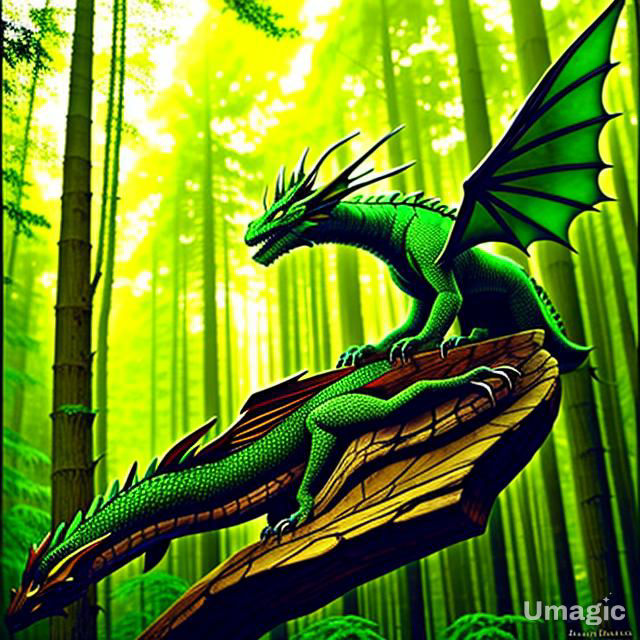
Climax: Vaeloria (protagonist) is caught by the dragons in the prickle forest, running for her life, she rolls down a hill, and is caught mid air by a dragon. But, a mysterious figure dressed in leather saves her in the nick of time, cutting the dragons leg forcing it to drop her. Although their face was covered, their eyes were familiar, somewhere close to home.
Falling action: She returns home safely with the help of the person from the woods, as she turns to thank them, they reveal themselves; its her brother. As they both walk through the door, she is jolted awake. She finds herself standing in front of the desk. Confused, she looks in her hands only to find a fully written exam in hand. The head witch snaps her from her daze and tells her to place the paper down. Still confused, she looks around for her brother, but all she could find was a small piece of leather in her pocket.

Resolution: A few weeks later, her results came in the mail. Anxiously, she opens it with her parents, to find she had scored the highest in her grade. She receives her wand and joins the family business, finally recognizing her worth and letting go of all of her insecurities.

| Theme: Familiarity/ happy place (recognizing the eyes of the person) (based heavily on climax) Mental-imagery or triggers of security attachment reduce stress and anxiety: Techniques such as Guided imagery, where a person visualizes a safe place or calming scenario which have been shown to significantly lower stress, anxiety, and promote emotional regulation across many populations. (1) Imagined (or recalled) comforting settings or persons can even alter brain- and body-level stress responses: Mental imagery functions neurologically similarly to real perception, and visualizing comforting scenes (or safe memories) can shift the nervous system out of “fight/flight” into a calmer, parasympathetic-dominated state; reducing heart rate, easing tension, and calming arousal. (2) Imagery helps with attention control and interrupts spirals of fear/rumination: A 2023 study found guided imagery enhances attentional control (on tasks like Stroop and anti-saccade), suggesting it helps people refocus, clear mental noise, and suppress stress-driven impulsive reactions, especially under pressure. (3) Positive or calming imagery is more effective than verbal thought-suppression for reducing anxiety and emotional dysregulation: Compared to suppressing or avoiding anxious thoughts (which often backfire), using imagery-based regulation (safe place, comforting images) is more effective at reducing physiological and emotional distress. (3) Theme: Anxiety Climax: This moment mirrors research on anxiety and attachment: perceiving a familiar, trusted person during acute stress can activate a safety response, temporarily lowering physiological arousal, heart rate, and fear, even amid life-threatening danger. (4) Falling action: Anxiety often manifests as rumination and overthinking, particularly after stressful or traumatic experiences. Memory of trusted figures or objects can act as “anchors,” reducing anxiety and interrupting cognitive spirals. (4) Resolution: Experiencing success, especially after periods of high stress, can reinforce self-efficacy and reduce trait anxiety, helping individuals internalize a sense of competence and worth. (4) Theme: self sabotage Climax: Self-sabotage often manifests under stress as negative automatic thoughts, catastrophizing, and avoidance tendencies, even when external help is available. Stress increases susceptibility to these maladaptive thought patterns. (5) Falling action: Objects or memories associated with supportive figures can serve as cognitive anchors that reduce self-sabotaging behavior by activating positive schemas and self-efficacy beliefs. (5) Resolution: Experiencing success and reflecting on competence are key strategies to counter self-sabotaging thoughts. Reinforcing self-efficacy helps individuals break cycles of self-doubt and avoidance. (5) |
- (PDF) Effectiveness of Guided Imagery on stress, anxiety and Depression among different Populations: A Narrative Review
- The Therapeutic Role of Guided Mental Imagery in Treating Stress and Insomnia: A Neuropsychological Perspective
- Investigating the Impact of Guided Imagery on Stress, Brain Functions, and Attention: A Randomized Trial – PMC
- A Comprehensive Review of the Generalized Anxiety Disorder – PMC
- (PDF) Self-Saboteurs and Ethical Relationships