
Step 2: Research more about childhood perception
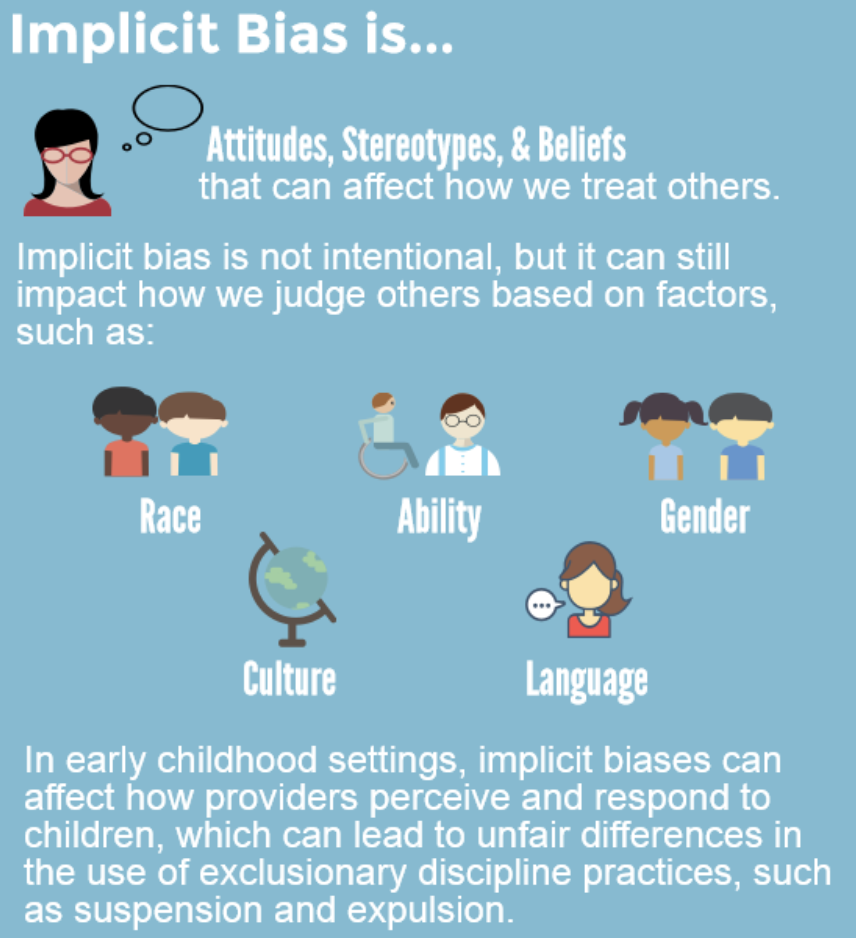
In my last blog post, I looked at implicit and social biases that can affect our everyday life and the decisions and judgments that we make. I looked out how these biases make us assume things of groups of people that are different from us, causing stereotypes. In this blog post, I will look more at how these affect our perception and the negative implications on our brain in early childhood development.
So, what is perception?
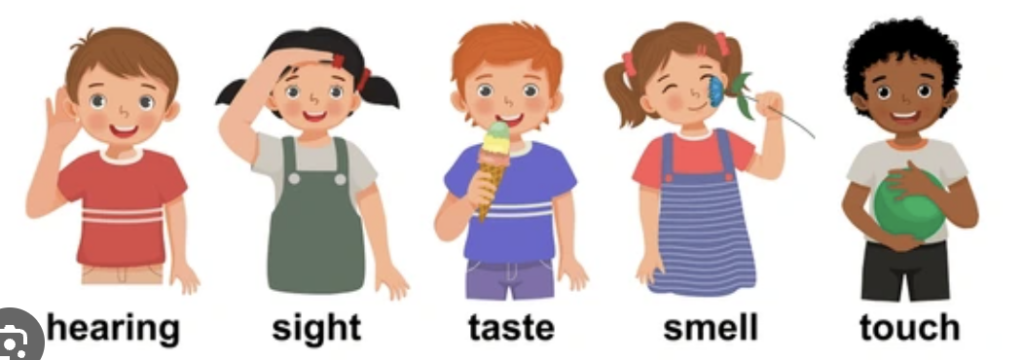
Perception is how we use our 5 senses to interpret the world around from us and become aware of objects, relationships and events. Through perception processes which connect to our memory, we are able to do simple things such as recognizing somebody’s face and detect a smell. Through this process, we are able to identify and respond our view of our environment. We use all 5 of our senses (sight, sound, touch, taste and smell) as well as proprioception, which allows us to recognize body movement and position. Perception is like a filler than doesn’t let us become overwhelmed with environment stimuli. (1)
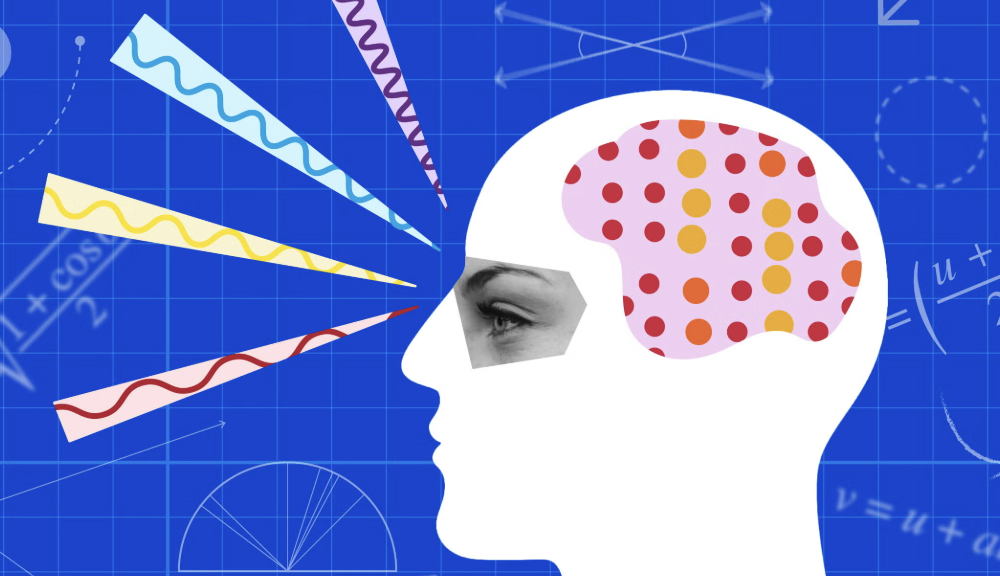
There are 2 types of perception, person and social perception….
- Person Perception: the ability to identify social cues and act appropriately in relationships
- Social Perception: how we perceive societies with are largely based upon stereotypes and generalizations
The perception process goes something like…..
- Environmental stimulus
- Attended stimulus
- Image on the retina
- Transduction
- Neural processing
- Perception
- Recognition
- Action
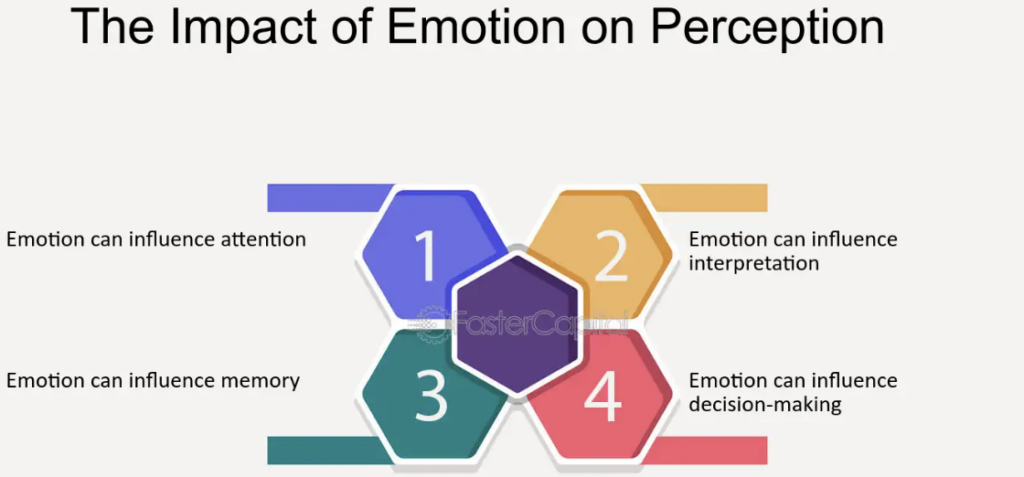
Which all leads to how we see ourselves, others and the world. We use perception to respond to our environment and decide what we think about groups of people and individuals. Not all humans perceive the world in the same way, but rather individual experiences influence our perception. People can even perceive the same thing in completely different ways, just based on conscious experiences and how they are processed in our brain. Our perception can also be influenced by our emotions and eventually affect our personality, leading to heightened anger and anxiety in certain situations. (1)
So now that we understand perception, we can look specifically on childhood perception and how they see the world. Children’s brains, especially when they are first associating words with real objects in the world is a fresh perspective. They understand the world using mental categories that can be subject to change later in their life. But, their initial understanding is to use their 5 senses to associate a word with a object, such as categorizing two different dog breeds in the category of dogs, by using mental cues, such as their bark (auditory signals) and their smell (olfactory signals). The child brain is like a sponge, absorbing information through experience, and a normal child’s instinct is to rely on their 5 senses for clues about the world. (2)
We know that children understand the world through perceiving the environment around them. So, what does this mean in the context of my inquiry question. We can see specifically how children who have little control on their perceptions are susceptible to learning from the environment around them, therefore picking up on clues that lead them to implicit bias.
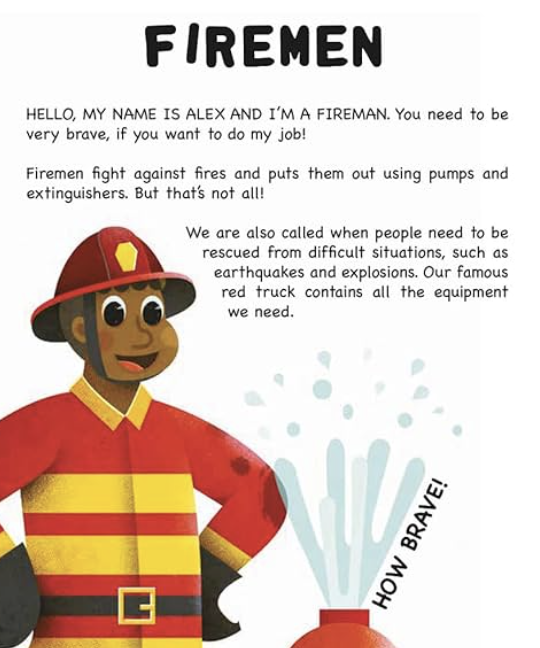
Children are affected by implicit bias in their everyday life, whether shown in media, talked about with family in the household or even if it is never talked about, kids still are learning and interpreting the world, so they are using their 5 senses to make assumptions about the world. This can affect how they see themselves and their self-esteem, others typically the people the closest to them, and the world around them and how they fit into it. For example, a young girl wants to become a firefighter, but firefighters depicted in media are usually male, they might not believe in themselves in that career. (3) This is just a small case, but imagine how many stereotypes, assumptions and norms are badly presented in media that kids are naturally absorbing and understanding as part of their beliefs.
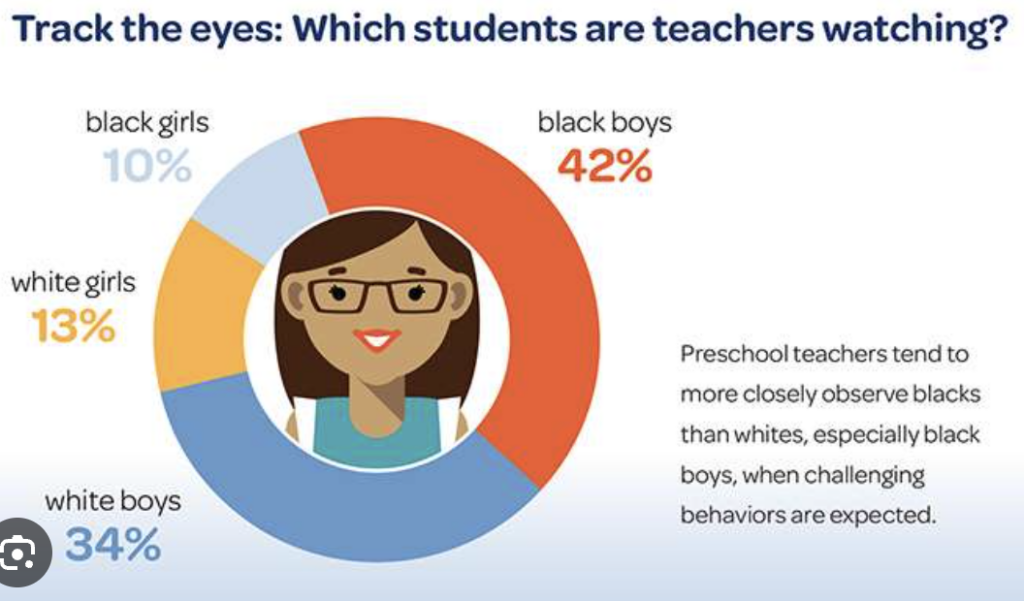
It is also important to note that children are not explicitly taught about racial biases at a young age, whether in school or at home, so they are forced to interpret it for themselves. Many studies have been set about how children are so easily programmed to have implicit bias or at least how they pick up on it at such a young age. The conclusion of the studies were that young children are social pattern detectors. They study verbal and nonverbal behaviour, specifically given by their caretakers and teachers. When these adults exhibit biases in front of children, they are automatically picking up on the signs and are prone to exhibit the biases themselves. There is no way to protect kids from these biases, because even if talked about within a home or a school, they are still being exposed to media portraying these stereotypes. (4)
Finally, we can look at how early this happens and if it is even preventable. Studies prove that even little kids at the age of 3 or 4 have already been shown to exhibit gender stereotypes, racial prejudice and preference for their own race. When these children were given a photo of “racially ambiguous faces that had either a ‘happy’ or ‘angry’ expression and asked to categorize the faces as ‘white’ or ‘black'”. The white children associated the happy expression with white, while the black children showed little to no preference. Experiments have also found that implicit bias in these young children were very similar to adults in the same experiments. (5)
The point of this blog post was to prove that children are very easily susceptible to implicit bias and it impacts their perception of themselves, others and the world. It is almost impossible to prevent these biases as children are living in a bias world and they easily pick up on the signals. This might provide more clarity to why adults show preference towards groups of people without even knowing the reason behind these beliefs.
In my next blog post, I will explore how developing these biases in childhood can stay with us our whole life and be instilled in our core belief system, and wrap up my inquiry question.
Sources:
- https://www.verywellmind.com/perception-and-the-perceptual-process-2795839
- https://5senses4kids.org/en/why-develop-your-senses/
- https://www.childrensmercy.org/parent-ish/2021/02/implicit-bias/
- https://thereader.mitpress.mit.edu/how-children-acquire-racial-biases/
- https://cfey.org/2017/12/children-learn-prejudice/
Hi Ariana, this is a very interesting topic for a blog, and I really enjoyed reading it. Bias is a part of human nature, the way we are raised makes us see the world a certain way. Most of a person’s learning and development is the early stages of life, so maybe a question to think about is when you are older, how, if possible do you reverse the bias learnt as a child.
https://www.psychologytoday.com/us/blog/mr-personality/202512/is-it-actually-possible-to-overcome-our-prejudices?msockid=3830370231336218336c2104308763a0
Good luck!!
Sarang
Hi Ariana, reading your post was enjoyable. For one it tries to prove how children are easily susceptible to implicit bias, all the best. Https
//www.frontiersin.org/journals/developmental-psychology/articles/10.3389/fdpys.2025.1605742/full