Step 3: Research how these concepts are intertwined in our sense of self and core beliefs
In my last 2 blog posts, I explored the topics of implicit biases and childhood perception. I looked at how these unconscious biases affect us in our everyday life and how it is embedded in childhood perception, strengthening its power. In this blog post, I am going to research how these two concepts are intertwined in our sense of self and our core beliefs.
So what is our sense of self? And our core beliefs?
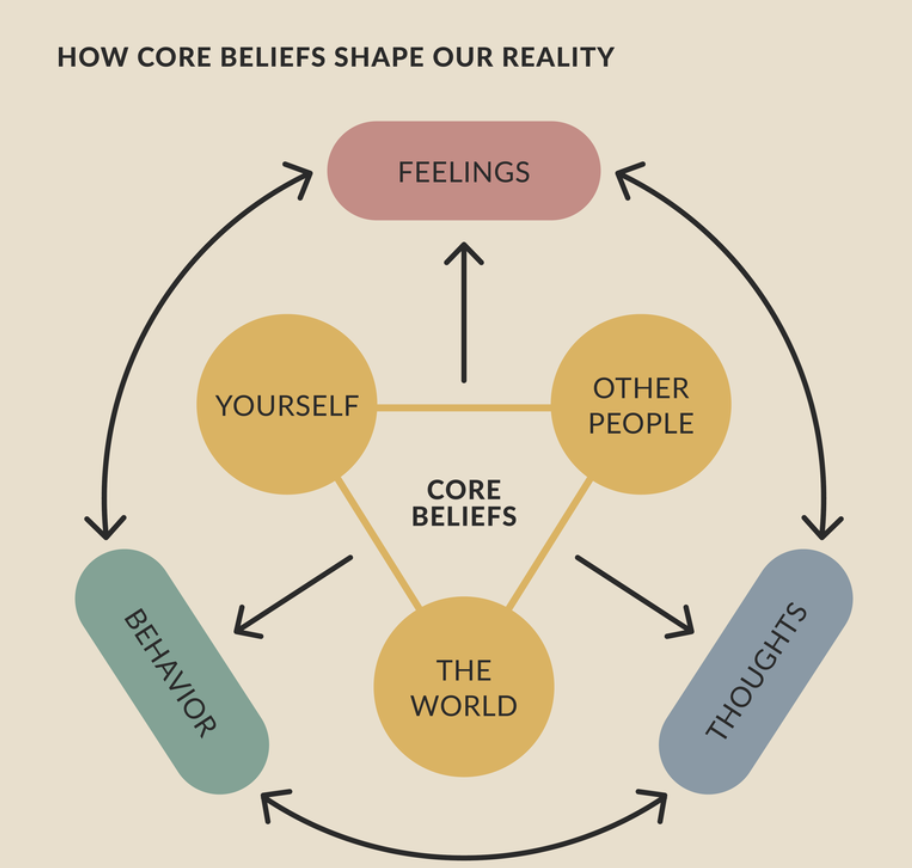
Your sense of self can also be considered like your identity which is composed of your personality traits, perception and characteristics which describe you. Knowing our sense of self is vitally important as we can better live authentically and stay true to ourselves. (1) Core beliefs are strong opinions on perceptions of how you see yourselves, others and the world. A person’s core beliefs can greatly impact decision-making and they are rigid and stubborn to change. Core beliefs mostly develop in early childhood based on a child’s experiences, most of which they cannot control. (2)
Now that we have some background information, how will this research connect to last 2 blog posts and summarize my inquiry question?
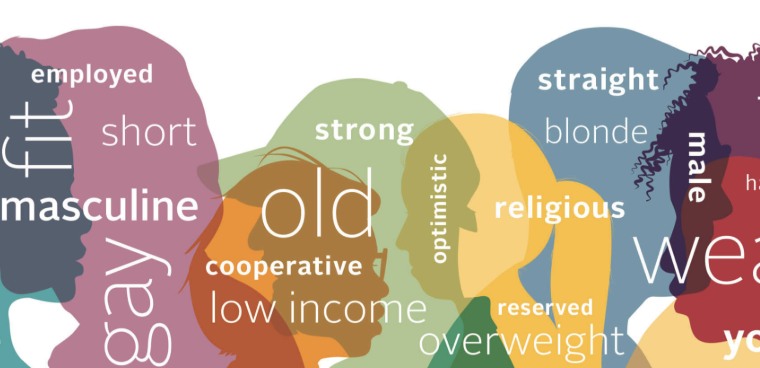
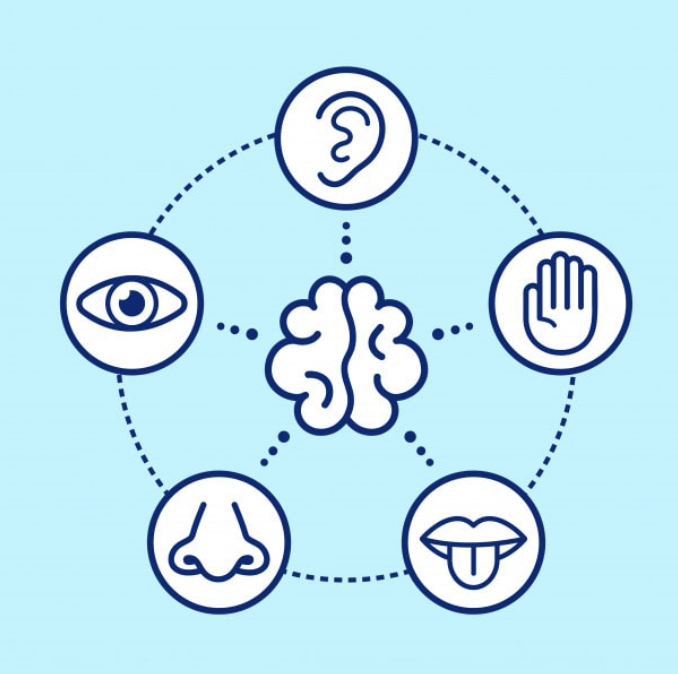
As we have seen, the impact of implicit bias in our lives. These are unconscious biases that are made from stereotypes and marginalized groups of people in society. As humans, we judge and make assumptions about people different from us, causing many people to target these groups. Our brains are very susceptible to these biases and we do not understand how much it is normalized in this day and age. Adding onto my last blog post, where I looked into child perception, we can see that a child’s mind is a sponge and acts based on what they see. Because of the fact that implicit bias is so normalized, we cannot break the cycle. Children use their 5 senses to make assumptions about the world and they learn from the actions of their parents or from media depictions. Now, adding in what we are going to research about sense of self and core beliefs, we can see how the information we soak up and the experiences we go through all impact our future perceptions of ourselves and the world.
Implicit bias learnt in childhood creates unconscious and immediate associations which can be showcased even in academic settings. If one teacher has higher expectations for one group of children and perceive other groups of children as having behaviour issues, this can impact how the students are disciplined and addressed. Educators even show unconscious bias towards groups of kids, based on race, gender, appearance or behaviour. Studies show that marginalized groups are more likely to face expulsion or further discipline. Children begin to notice these patterns as early as preschool being integrated in a learning environment. (3) “Implicit bias affects teachers’ instructional practices, interactions with students, school discipline, and special education eligibility and placement decisions” (4).
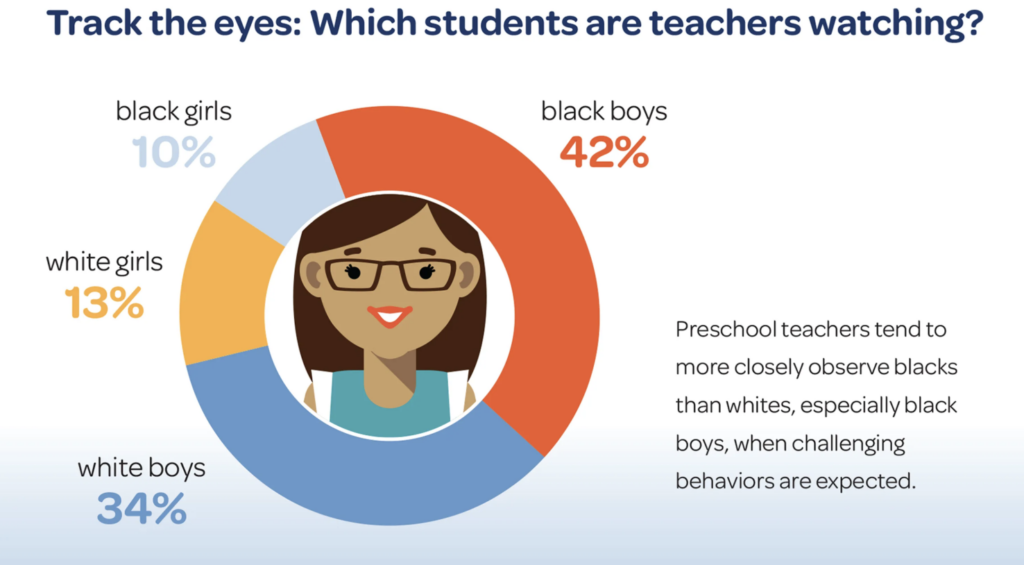
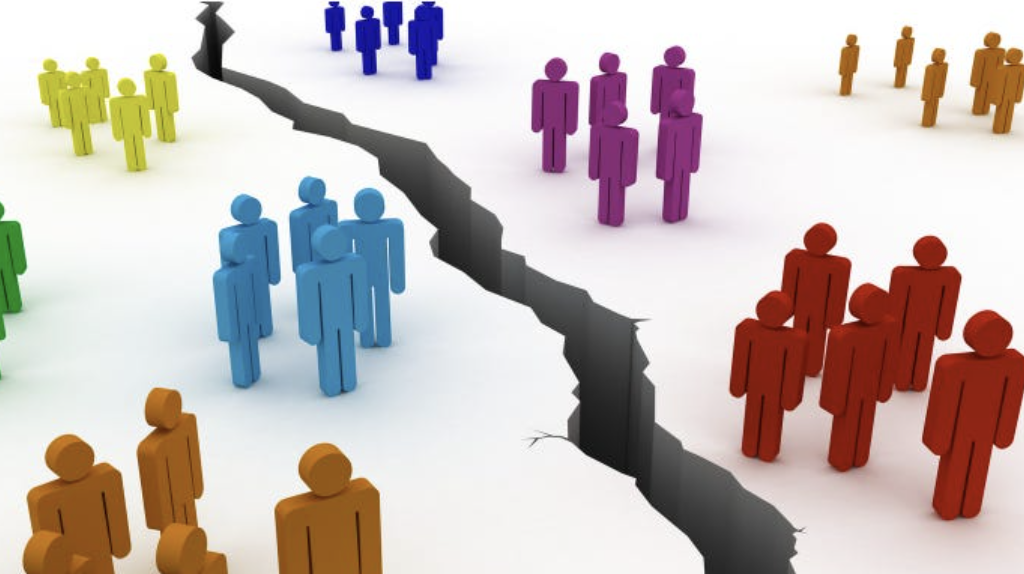
The reason why we absorb this information even more as a kid is because children at a young age try to make sense of the world and through their experiences. They are unconsciously consuming directly or indirectly influences in society such as media or news outlets. These cycles and stereotypes are very hard to break and while they seem harmless, they are a big reason for the lack of unity in the world, as the are unseen contributors of division, social polarization, discrimination, and conflict. (5)
So how implicit bias shape a child’s perception and how does it develop into adulthood?
Well, by the process of my research, I can see how implicit biases are developed before even the age of 5 which marginalize some groups of people. So, this may mean that children avoid the feeling of being different. They may see themselves as less than or doubt their value based on the colour of their skin. They may develop issues with emotional validation which could result in mental health struggles when they get older. This may lead in the desire to fit in and act as a group (social biases).
Children may start to judge other people based on stereotypes. They can grow to assume things about other people leading to a lack of connection and division. This may result in cyber or physical bullying to marginalized groups or people we consider ‘different’. If we are presented to implicit bias on a regular basis in childhood, we may even become unconsciously racist, sexist or homophobic. The cycle will continue as our habits show implicit bias and children around us will pick up on the social cues.
Children may perceive the world negatively, or make grander assumptions about the world. Such as the fact that women could never be firefighters or men could never like fashion. These biases could turn into seeing the world very black and white and not wanting to be grey or different. Implicit bias immediately characterizes people and make assumptions.
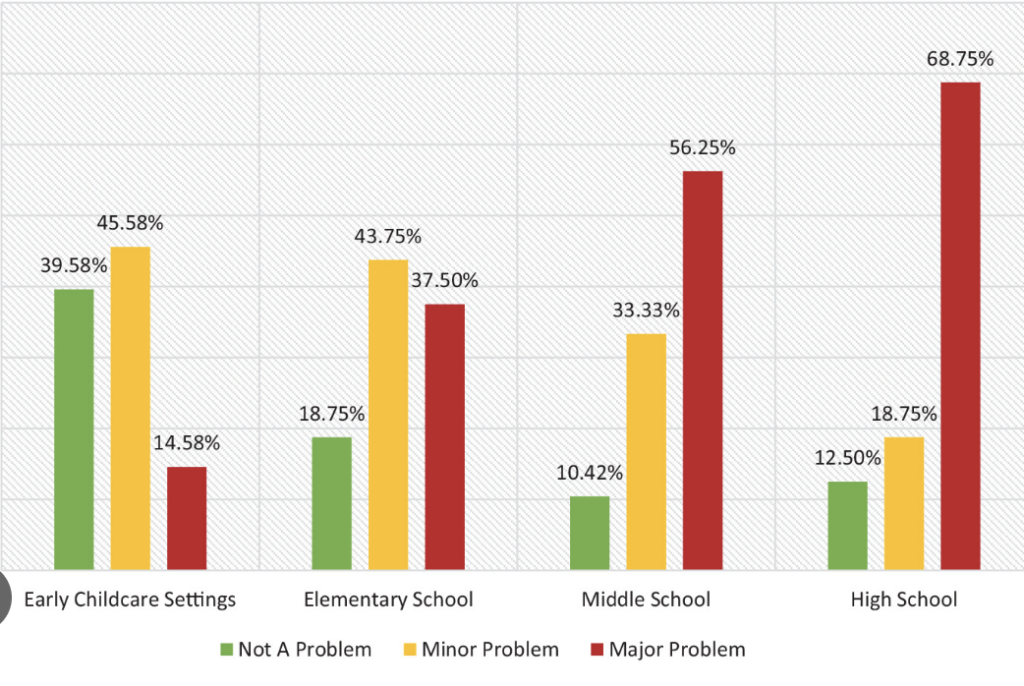
In conclusion, if we are taught these things as kids and they enter our core belief system, these beliefs are unconsciously guiding our decisions and are nearly impossible to change or modify. We are to blame for our stubborn views on marginalized groups, but I hope that my blog posts can better explain why this problem is so hard to conquer in the world. I hope that we can all be more aware of the implicit bias that is being exposed to children to stop this cycle of stereotypes and assumptions, but at the very least we can all me a little more informed.
Sources:
- https://www.healthline.com/health/sense-of-self#importance
- https://www.healthline.com/health/sense-of-self#importance
- https://www.firstdaylearning.com/blog/addressing-implicit-bias-in-early-childhood-education
- https://fpg.unc.edu/publications/understanding-implicit-bias-and-its-effects-early-childhood-settings
- https://www.childrensmercy.org/parent-ish/2021/02/implicit-bias/
Hello Ariana!
I found this post really helpful and interesting, especially with how you explained how early experiences shape identity. This made me understand why lots of biases are so hard to break later in life. I also think the way you put your images in your posts worked well, and I liked how you also gave a brief overview of what you did in your initial few posts. One little suggestion I might have is to consider adding a specific real-life example or a case study (e.g. a classroom scenario or media example) to show how implicit bias can affect children in everyday situations. This would perhaps make your argument more solid and easier to imagine. You could also add some more detail to your conclusion by quickly and briefly talking about some solutions, such as what parents, teachers, or schools can do to reduce implicit bias in childhood. Overall, I really enjoyed reading your post, and I believe that you have done a great job in explaining the connection between implicit bias and development in children!
-Isabella