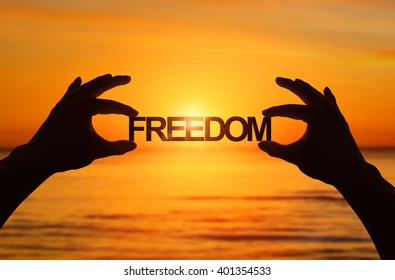
Hello everyone, this semester I will be doing an inquiry project. I wanted to research something that is relevant in the modern world and also somewhat relatable. My question is: “When does protecting people begin to limit their freedom?” This question interests me because I see it come up in real life whenever rules are made for safety, whether it’s at school, online, or in society. At first, restrictions can seem reasonable because they prevent harm, but over time they can also control people’s choices and become “normal” even if they reduce rights. It makes me think about who gets to decide what counts as protection, and whether those decisions are always fair to everyone. I also think it’s important because safety and freedom can both be good goals, but they sometimes conflict, and the line between them isn’t always clear. Also, I’d like to connect back to my first story project about the law’s power, and I feel like this is a good question to help think critically about power and rights. What should a society allow in the name of the law?

Another reason this question matters to me is because it affects how people trust their government and the rules around them. If leaders use protection as a reason to watch people more closely, restrict information, or punish certain groups, it can change daily life in ways people don’t notice right away. (I read a book about a community like this when I was younger.) At the same time, if there are no rules, people can get hurt and vulnerable communities may suffer the most. That’s why I find it interesting: it forces me to think about what protections are truly necessary, what rights should never be taken away, and how we can keep decision makers accountable, so safety doesn’t become an excuse for control. This question makes me think about how freedom can be limited in small, gradual steps instead of one big change. Sometimes people accept restrictions because they feel scared or want stability, but later those same rules can be hard to remove, even when the danger is gone.