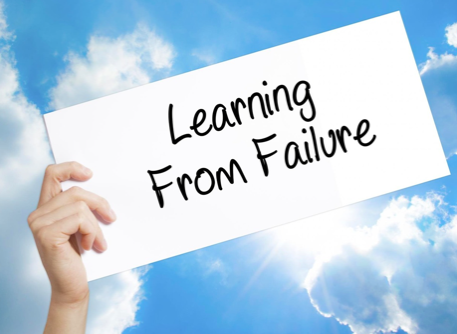
Hello. My name is Ihan and my inquiry question for this semester is “How does failure shape who we become?”. In order to answer this question, here’s my project plan.
Research #1: Understanding What Failure Is and How It Affects Us. In this post, I’m going to figure out what “failure” actually means. People talk about failure all the time, usually as something negative, but is it really just about losing and making mistakes, or does it have a deeper meaning?
I’ll be exploring how psychologists and researchers define failure and how people respond to it emotionally. Does failure always lead to discouragement or can it actually help us grow as people? By looking at things like resilience and mindset, I would like to understand what happens inside us when we fail.

Research #2: The Different Types of Failure and Their Impact. Another thing I want to research is how different types of failure affect people in different ways. Not all failure is the same like failing a test, losing a competition, or facing a major life setback can all have very different impacts.
I’ll look at how small, everyday failures compare to bigger, more serious failures and how each type shapes a person’s confidence, motivation, and identity. I also want to explore whether repeated small failures build strength over time or if they can slowly lower someone’s confidence. I believe this focus is important because it adds more depth to my research. It helps show that failure isn’t just one simple experience and that it can vary a lot.

Research #3: How Failure Shapes Mindset and Future Decision-Making. Another thing I want to explore is how failure changes the way people think and make decisions in the future. After experiencing failure, some people become more cautious and avoid risks, while others become more determined and want to try again.
I’ll look into how failure influences mindset, especially the difference between a fixed mindset and a growth mindset and how this effects the choices people make later in life. For example, does failing once make someone less likely to try again, or does it push them to improve? This is important because it connects directly to how failure shapes who we become over time. It shows that failure doesn’t just affect one moment, it can change how we approach challenges, opportunities, and goals in the future.

These are some of the sources I plan to use during my research:
- “Resilience.” American Psychological Association, American Psychological Association, www.apa.org/topics/resilience. Accessed 22 Apr. 2026.
- Heinrich, Ally. Why Failing Is Critical to Your Team’s Success – HBS Online, 17 Apr. 2025, online.hbs.edu/blog/post/failing-well. Accessed 22 Apr. 2026.
- Edmondson, Amy C. “Strategies for Learning from Failure.” Harvard Business Review, 1 Apr. 2011, hbr.org/2011/04/strategies-for-learning-from-failure. Accessed 22 Apr. 2026.
- “Managing Human Failures: Overview.” HSE, www.hse.gov.uk/humanfactors/topics/humanfail.htm. Accessed 22 Apr. 2026.
- “7 Ways Failure Can Teach Us More than Success.” 7 Ways Failure Can Teach Us More than Success – Westcoast Women in Engineering, Science and Technology – Simon Fraser University, 9 Nov. 2018, www.sfu.ca/wwest/WWEST_blog/8-ways-failure-can-teach-us-more-than-success.html.
- Blanding, Michael. “Failing Well: How Your ‘intelligent Failure’ Unlocks Your Full Potential: Working Knowledge.” Harvard Business School, Harvard Business School, 5 Sept. 2023, www.library.hbs.edu/working-knowledge/failing-well-1-when-failure-is-intelligent.
I think the question “How does failure shape who we become?” matters to me because of my experiences playing soccer. There have been times when I missed an easy shot or my team lost an important game, and in those moments it felt frustrating and embarrassing. At first, I saw those failures as proof that I wasn’t good enough, but over time I started to realize they actually helped me improve. For example, missing a goal made me practice shooting more, and losing games pushed me to work harder and stay focused. This question also affects my community because in a team like soccer, how we handle failure impacts everyone. If we blame each other, it makes the team weaker, but if we support each other and learn from mistakes, we become stronger together. Understanding failure in a better way can help me become a better player and teammate, and it can also help create a more positive and encouraging environment for others around me.
Thank you for reading my post.